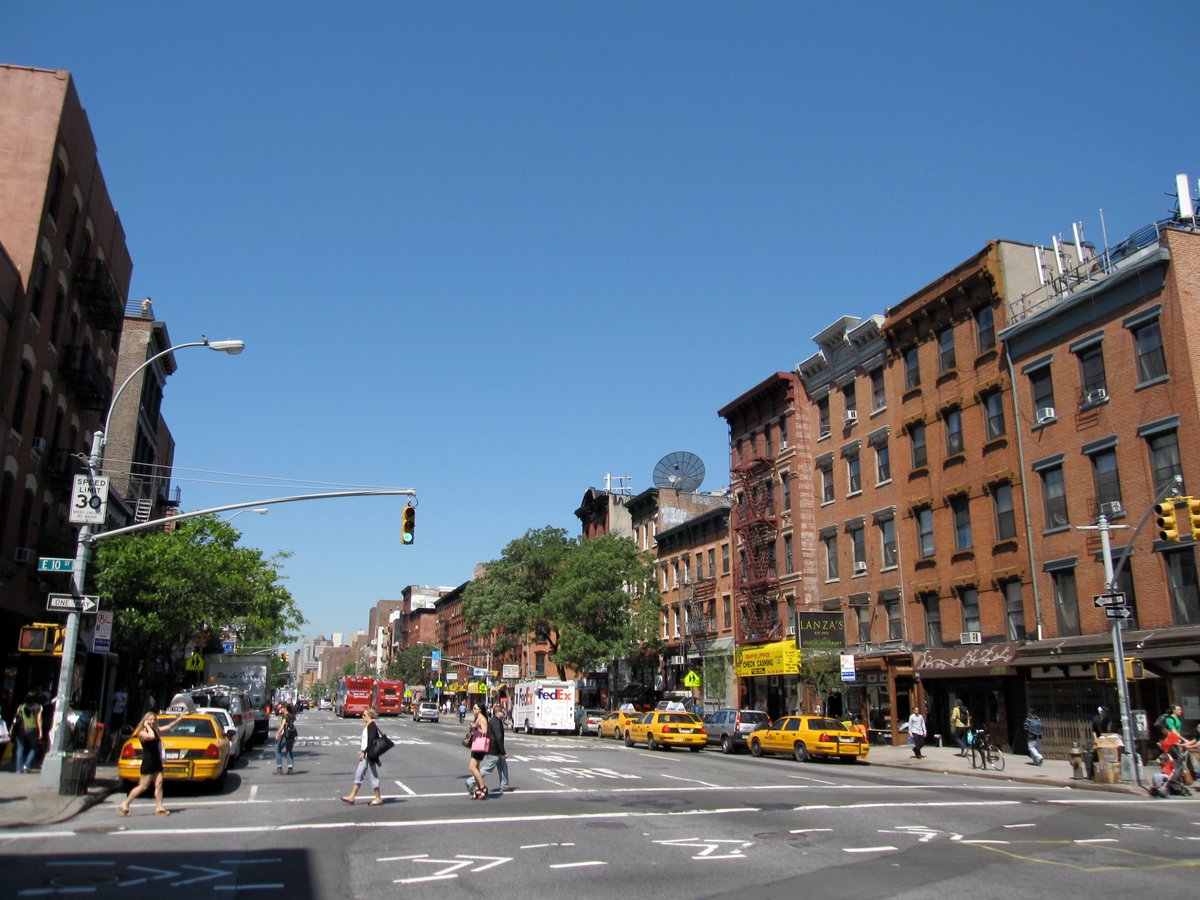
The area that is today known as the East Village was originally occupied by the Lenape Native people. The Lenape relocated during different seasons, moving toward the shore to fish during the summers, and moving inland to hunt and grow crops during the fall and winter. Some of the area's earliest settlers were African farmers who lived in an enclave along the modern Bowery between Prince Street and Astor Place.
Most New Amsterdam colonists lived primarily below present-day Fulton Street, whereas these farmers worked and lived north of it on the boweries. Harmen Smeeman was given Bowery no. 2 in 1647, and Peter Stuyvesant owned adjacent bowery no. 1 and bought bowery no. 2 in 1656 for his farm.
By the late 18th century, Lower Manhattan estate owners started having their lands surveyed to facilitate the future growth of Lower Manhattan into a street grid system. The Stuyvesant plot was planned to be developed with a new grid around Stuyvesant Street, which contrasted with the grid system that was ultimately laid out under the Commissioners' Plan of 1811. The East Village was one of the wealthiest residential neighborhoods in New York City in the 1830s, with Bond Street between the Bowery and Broadway considered the most upscale street address.
By the late 1960s, many artists, musicians, students and hippies began to move into the area, and the East Village gained its own identity. Since at least the 2000s, gentrification has changed the character of the neighborhood.
Sources: Wikipedia, Wikidata, Wikimedia Commons
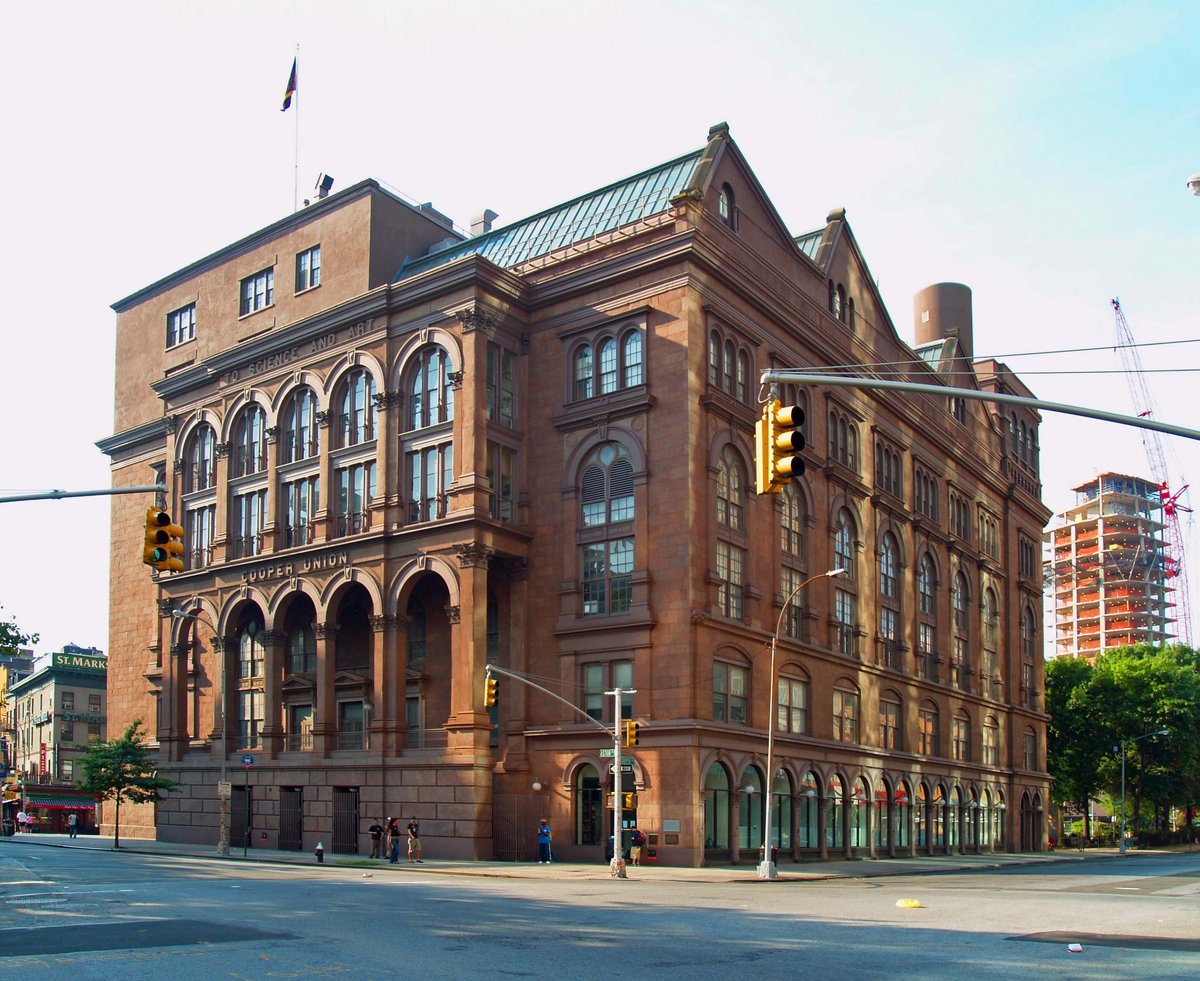
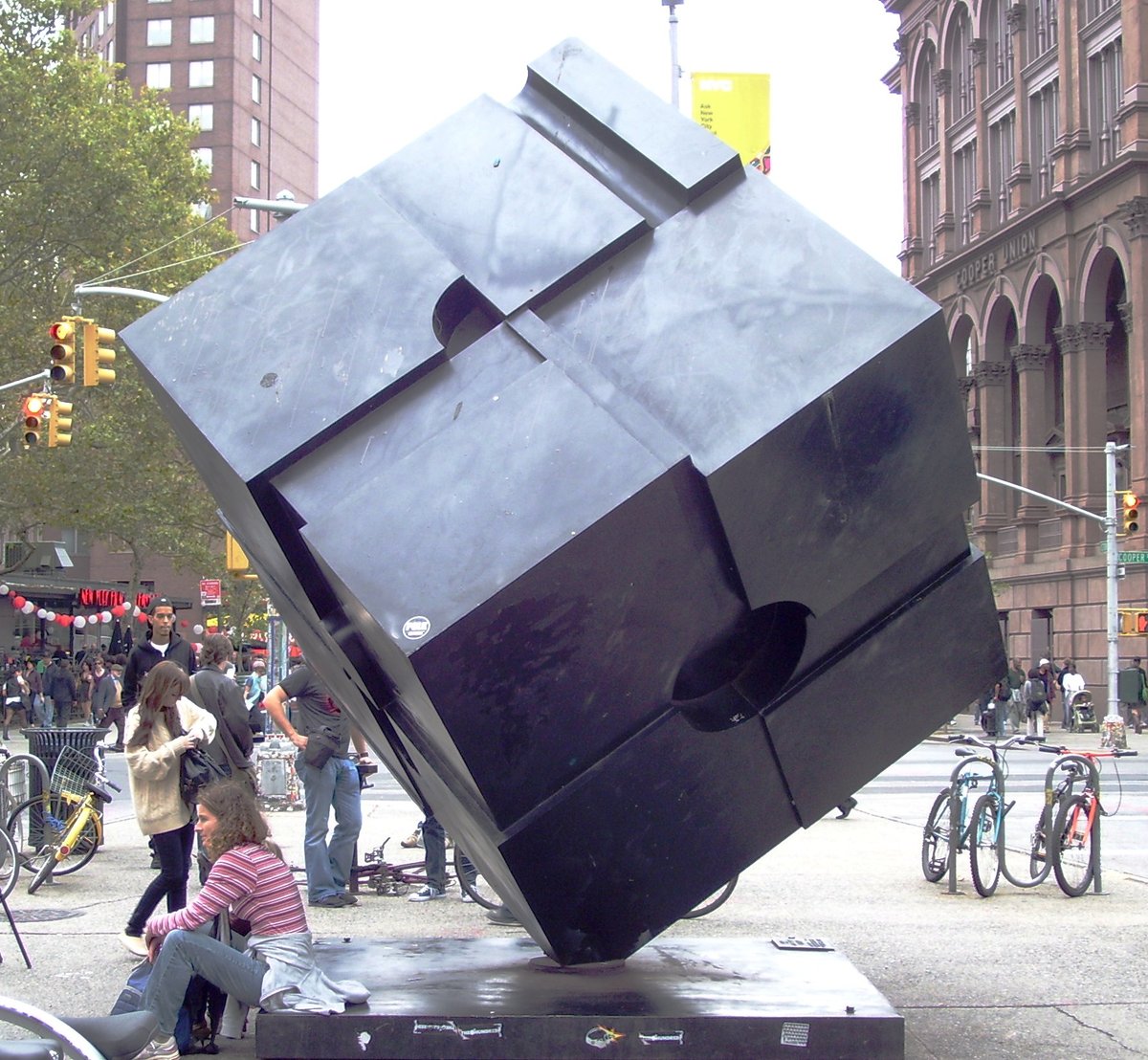
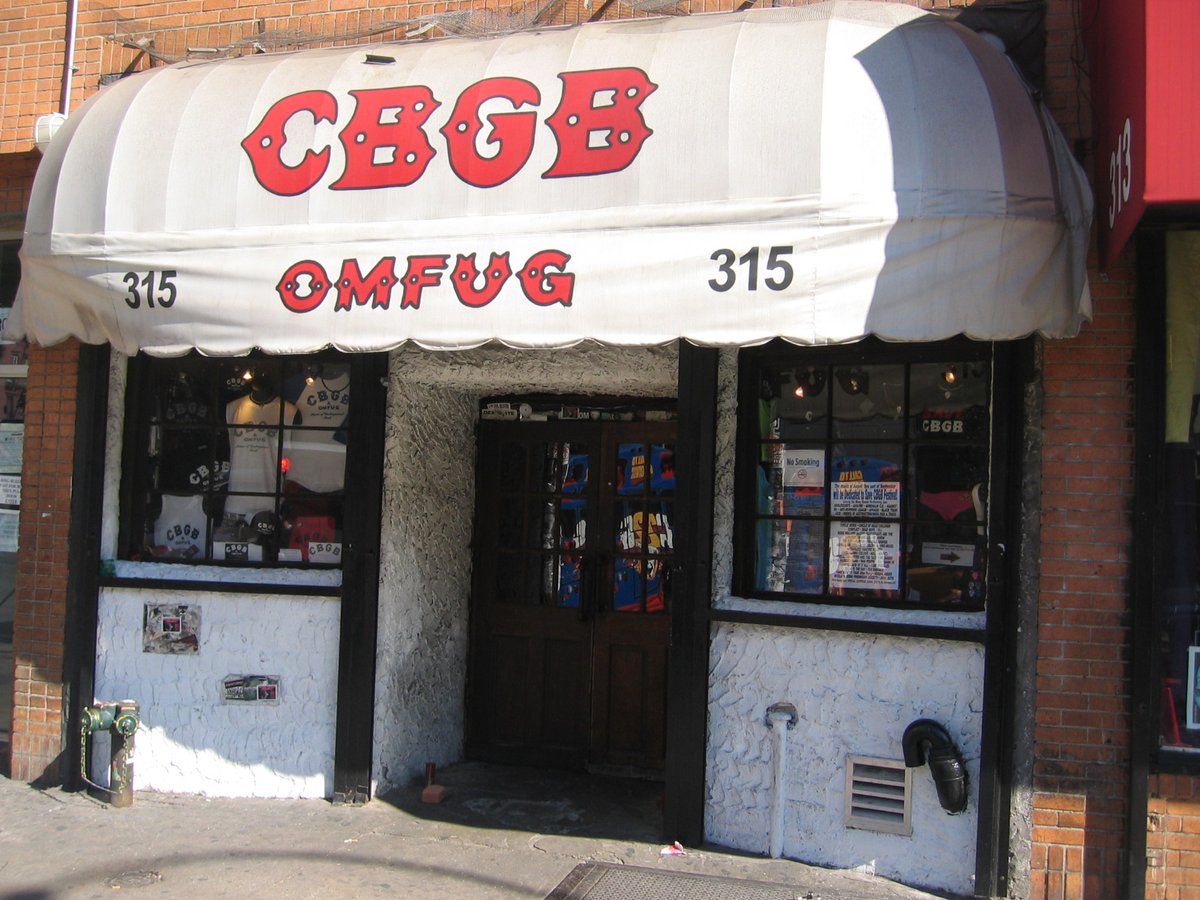


Written by No Other
Discuss this with the author and others
No comments yet. Be the first to start the conversation.