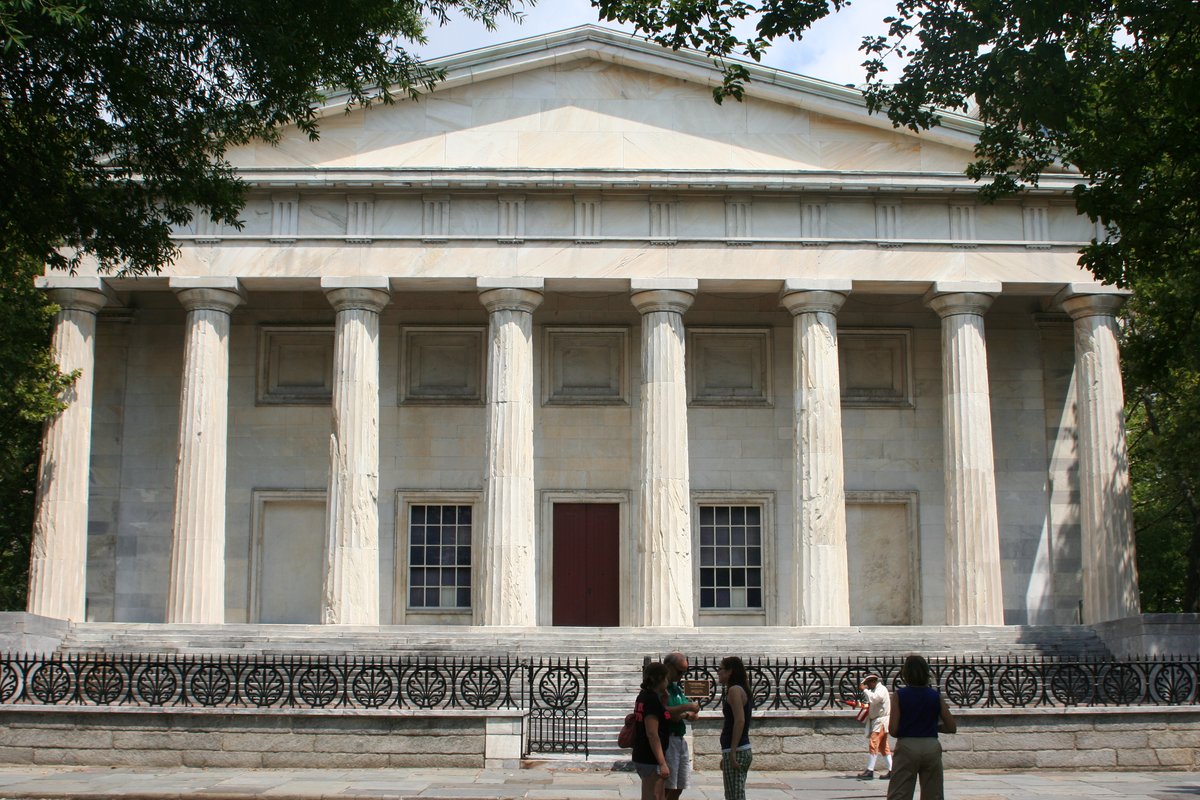
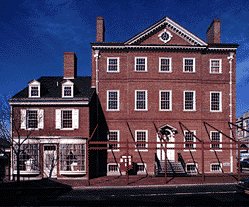
Imagine a private corporation with public duties. That was the Second Bank of the United States. It was a massive operation that handled every fiscal transaction for the U.S. government. It managed the national currency and was the largest monied corporation on the planet at the time.
President James Madison signed the charter in 1816. In a move of political irony, he did this despite having attacked the First Bank as unconstitutional in 1791. He decided the government needed fiscal order after the War of 1812, and the Second Bank was modeled on Alexander Hamilton's First Bank of the United States. The bank was a hybrid beast: 20 percent of the capital belonged to the federal government, while the other 80 percent was split among 4,000 private investors - 3,000 of whom were Europeans.
By 1832, the bank was operating 25 branches nationwide. The efforts to renew the bank's charter put the institution at the center of the general election of 1832, where bank president Nicholas Biddle and Henry Clay led the pro-bank side against the administration of Andrew Jackson. Jackson's administration opposed the bank's charter, and the bank eventually became a private corporation in 1836 after failing to secure recharter, before undergoing liquidation in 1841.
Today, you can find the site at Chestnut Street 420. It is a quiet building now, a survivor of a time when banking was a central and contested part of the nation's fiscal history.
Sources: Wikipedia, OpenStreetMap, Wikidata, Wikimedia Commons
Written by Kyle McLonely
Discuss this with the author and others
No comments yet. Be the first to start the conversation.