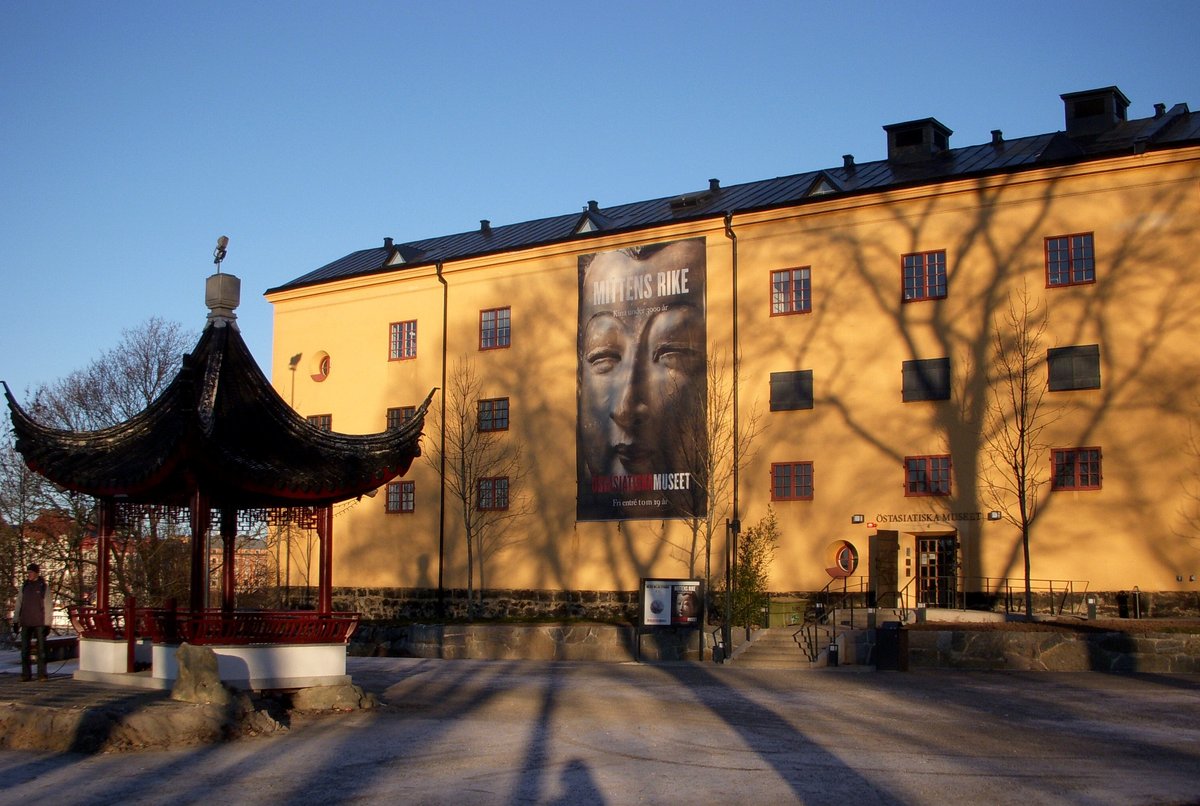

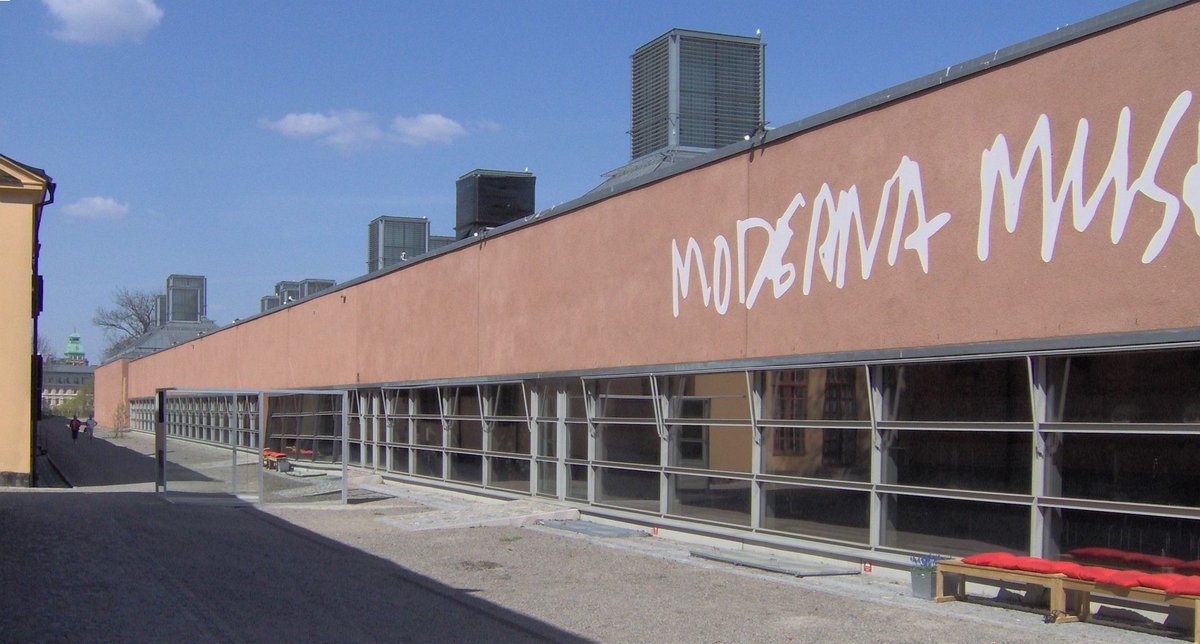
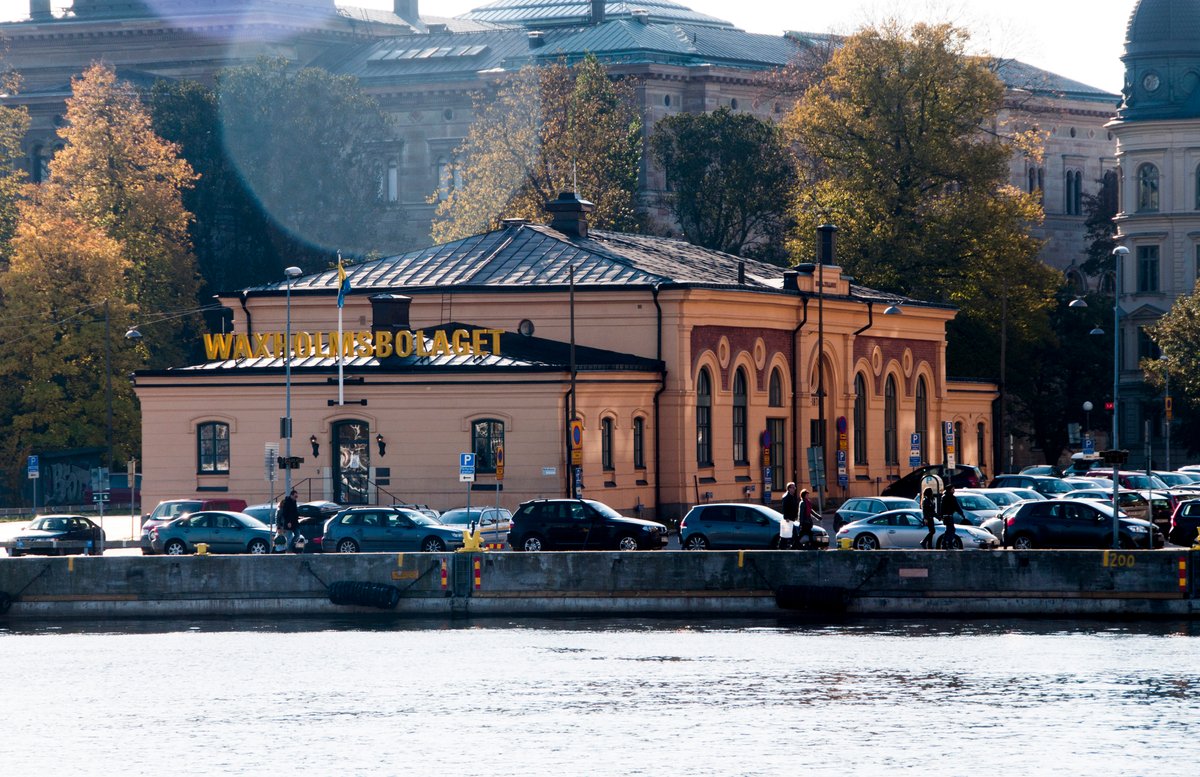
The remarkable length of this building originates from its initial purpose as a rope walk. The Swedish Navy completed the structure in 1663 to provide a massive floor where strands were stretched out to be twined into ropes. While it served this primary function, it was devastated by fire only four years after completion and was never used for that purpose again after the Navy relocated to Karlskrona in 1680.
In the year 1697, the building was used to accommodate beggars and the homeless before it was ravaged by the fire at the Palace Tre Kronor. Two years later, King Charles XII ordered his architect Nicodemus Tessin the Younger to redesign the wrecked building into stables for his Drabant Corps. However, these stables remained mostly unused and Tessin had to redesign the building into an arsenal in the 1720s.
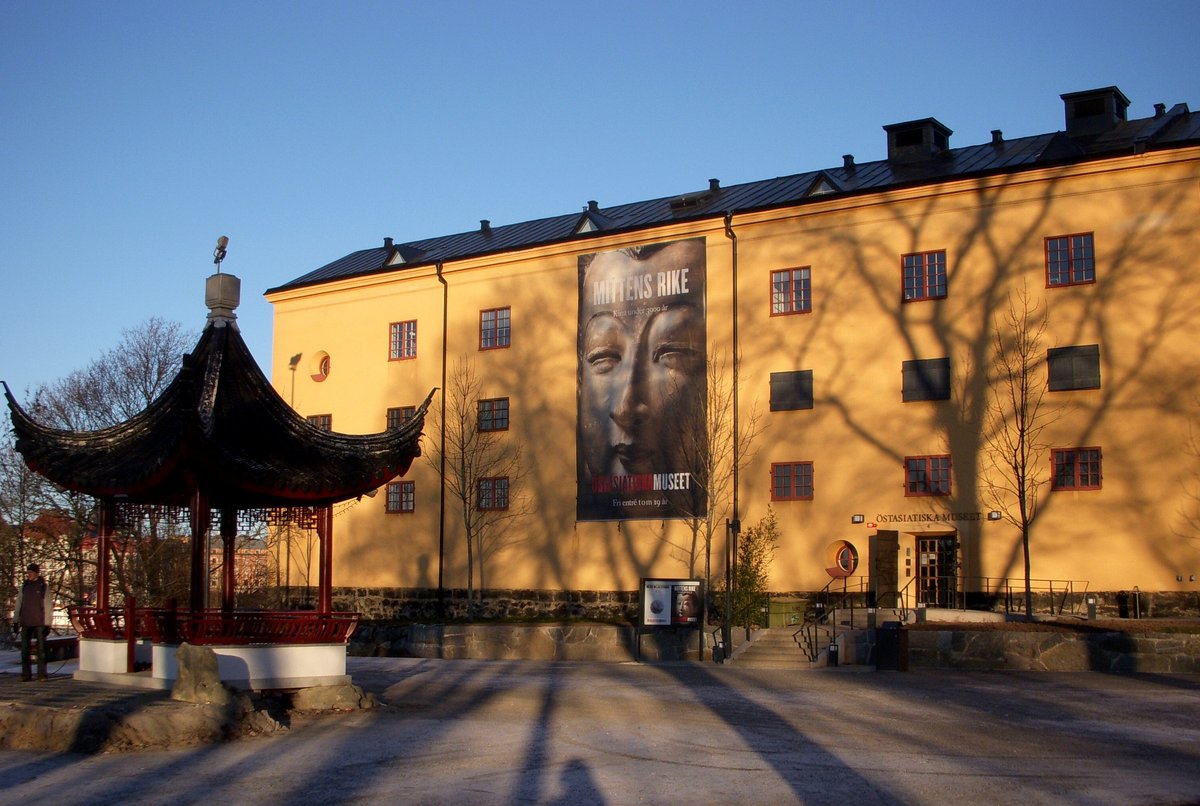
In the summer of 1731, parts of the building were used for a short period to house the lions and tigers of King Frederick I. After this, the building was called Fredriks lejonkula - Frederick's lion lair - for many years. Today, the East-Asian Museum occupies the northern part of the building, which has been its home since 1963.
Sources: Wikipedia, OpenStreetMap, Wikidata, Wikimedia Commons
Written by Nik Frost
Discuss this with the author and others
No comments yet. Be the first to start the conversation.