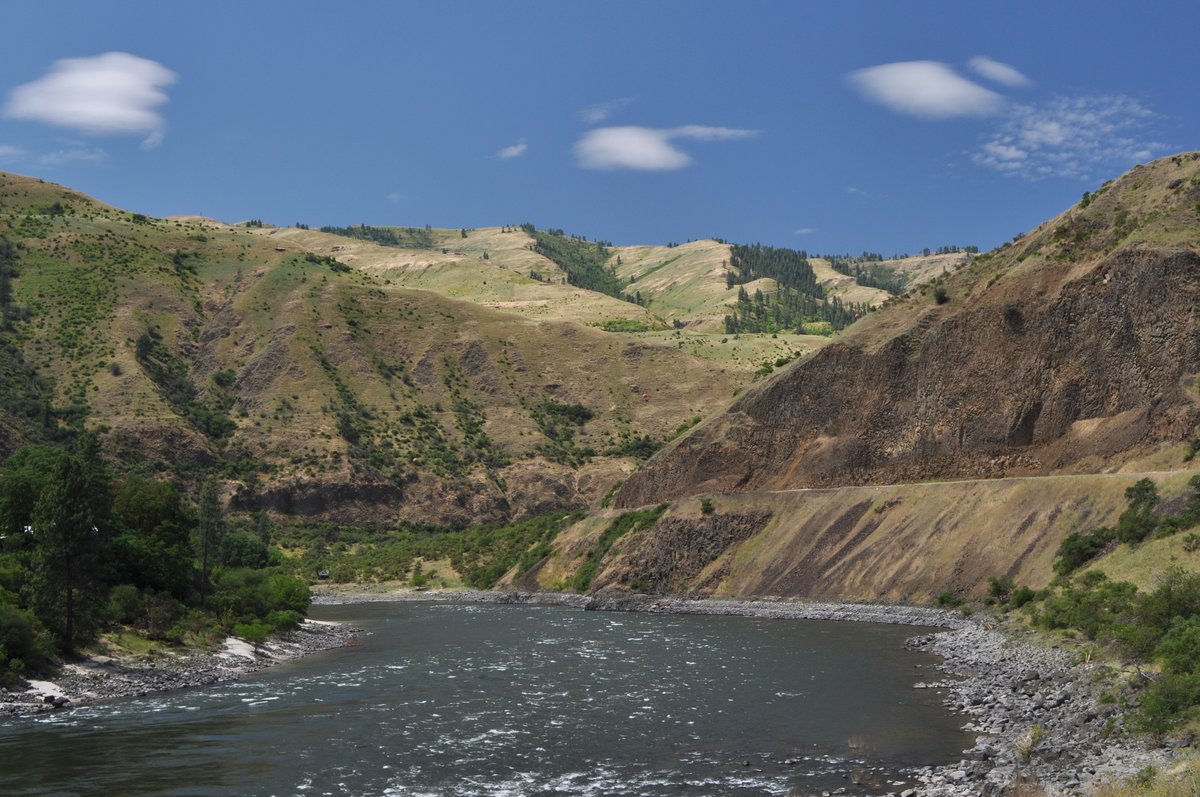
Cooper's Ferry, known to the Nez Perce as the historical village of Nipéhe, sits along the lower Salmon River in western Idaho. The site is located 17 kilometres south of Cottonwood and is part of the Lower Salmon River Archeological District. Archaeological work here has uncovered various lithic and animal remains, including those from the Pleistocene and early Holocene ages.
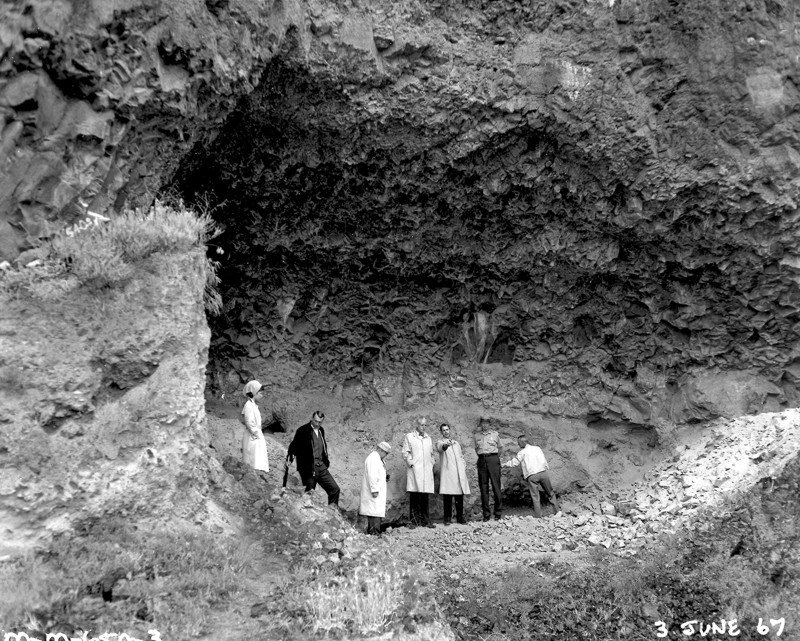
Loren G. Davis led excavations at the site, which include a joint effort between Oregon State University and the Bureau of Land Management from 2009 to 2018. During this work, a hearth, pits, and animal bones including extinct horses were discovered. A number of spear points from the Western Stemmed Tradition were found in a clearly defined pit. These points, ranging from 0.5 to 2.0 inches in length, have two ends - one sharpened and one stemmed. Radiocarbon dating provided a date mapping to 15,700 years ago, which is several thousand years before the Clovis fluted points appeared.
While some researchers suggested a later date for the finds, Davis noted that these criticisms held many factual errors and poorly constructed arguments. The analysis of the data in 2022 supported the earlier dating, though the issue is far from closed. Due to a dearth of dendrochronological data for America in that period, radiocarbon calibration remains limited. The excavators have suggested that these finds support the idea that early Americans arrived via a coastal route followed by riverine travel.
Sources: Wikipedia, OpenStreetMap, Wikidata, Wikimedia Commons
Written by Leroy
Discuss this with the author and others
No comments yet. Be the first to start the conversation.