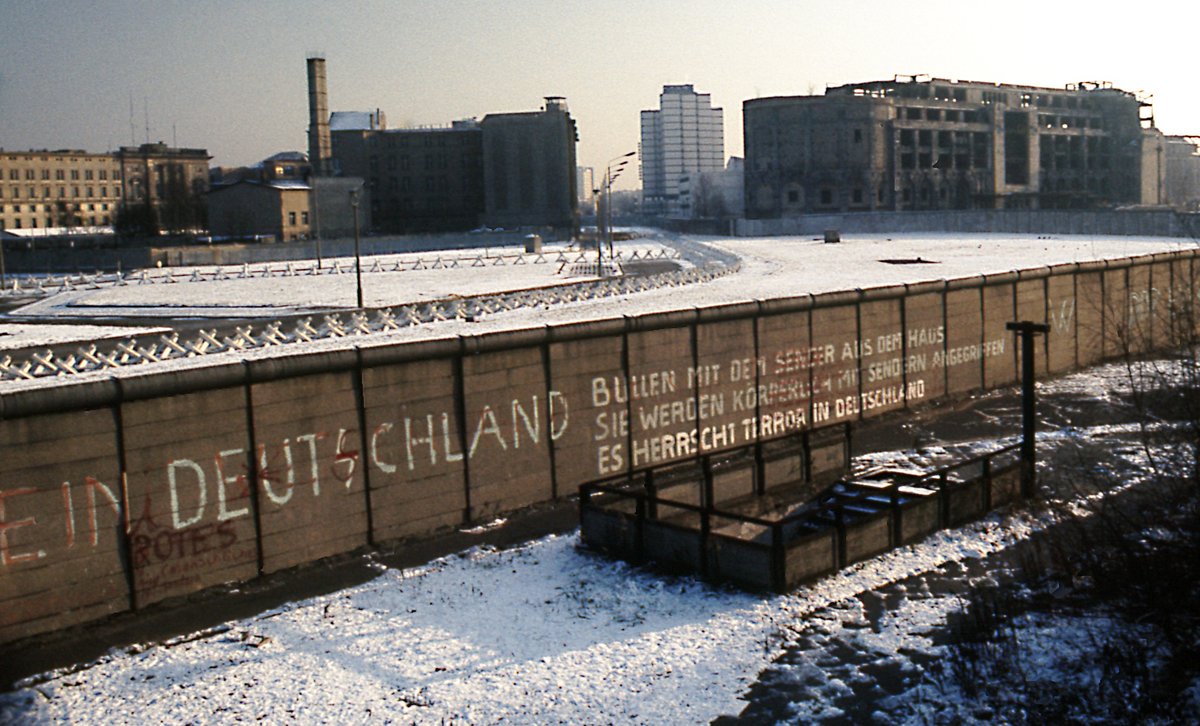
The concrete is silent now, but in 1961 it was a sudden, jagged incision across the city. On 13 August that year, the GDR government began erecting a guarded barrier to encircle West Berlin. It was a physical manifestation of the Iron Curtain, a heavy line drawn between the Western Bloc and the Soviet satellite states.
The authorities gave it a name that felt like a fortress: the Anti-Fascist Protection Rampart. In their official narrative, the Wall was a shield, protecting the socialist state from fascist elements. It was a defensive shell meant to secure the will of the people. Yet, across the line in West Berlin, the air carried a different name. Mayor Willy Brandt called it the Wall of Shame, a title that stripped away the propaganda to reveal the restriction on human movement.
To walk the path of the Wall was to navigate a landscape of engineered fear. Beyond the large concrete slabs stood the death strip, a no-man's-land of anti-vehicle trenches and beds of nails. Guard towers rose like sentinels along the perimeter, watching for anyone attempting Republikflucht. Before the first brick was laid in 1961, millions of East Germans had already fled the Soviet zone to escape hunger and repression, creating a brain drain that left the East depleted of its most educated citizens.
This was the architecture of a centrally planned socialist economy, where the SED ruled under a party dictatorship. While the GDR promoted its own model, the surrounding world was a map of Soviet influence. From 1949, the Comecon organized the satellite states into a collective economic bloc. By 1955, the Warsaw Pact turned these nations into a military alliance. NATO officials, observing the rushed construction of this pact, dismissed the entire system as a cardboard castle.
Despite the Soviet Union's engineering of these regimes, the city of Berlin remained a fractured seat of power. Though nestled within the Soviet zone, it was subdivided into four sectors. The Soviets refused to provide a detailed accounting of the industrial plants and infrastructure of the region, often removing goods before anyone could ask for an inventory. This led to a reconstruction process where the other three powers had to combine their zones just to get the Marshall Plan approved.
Over the decades, the Wall stood as a witness to the proxy wars and ideological conflicts that defined the century. People tried to breach it over 100,000 times, with more than 5,000 succeeding in their escape. For those who did not, the cost was often measured in lives, with hundreds killed by authorities in and around the city. It wasn't until 9 November 1989 that the government announced the gates were opening. The demolition finally began in June 1990, slowly erasing the divide that had defined a generation.
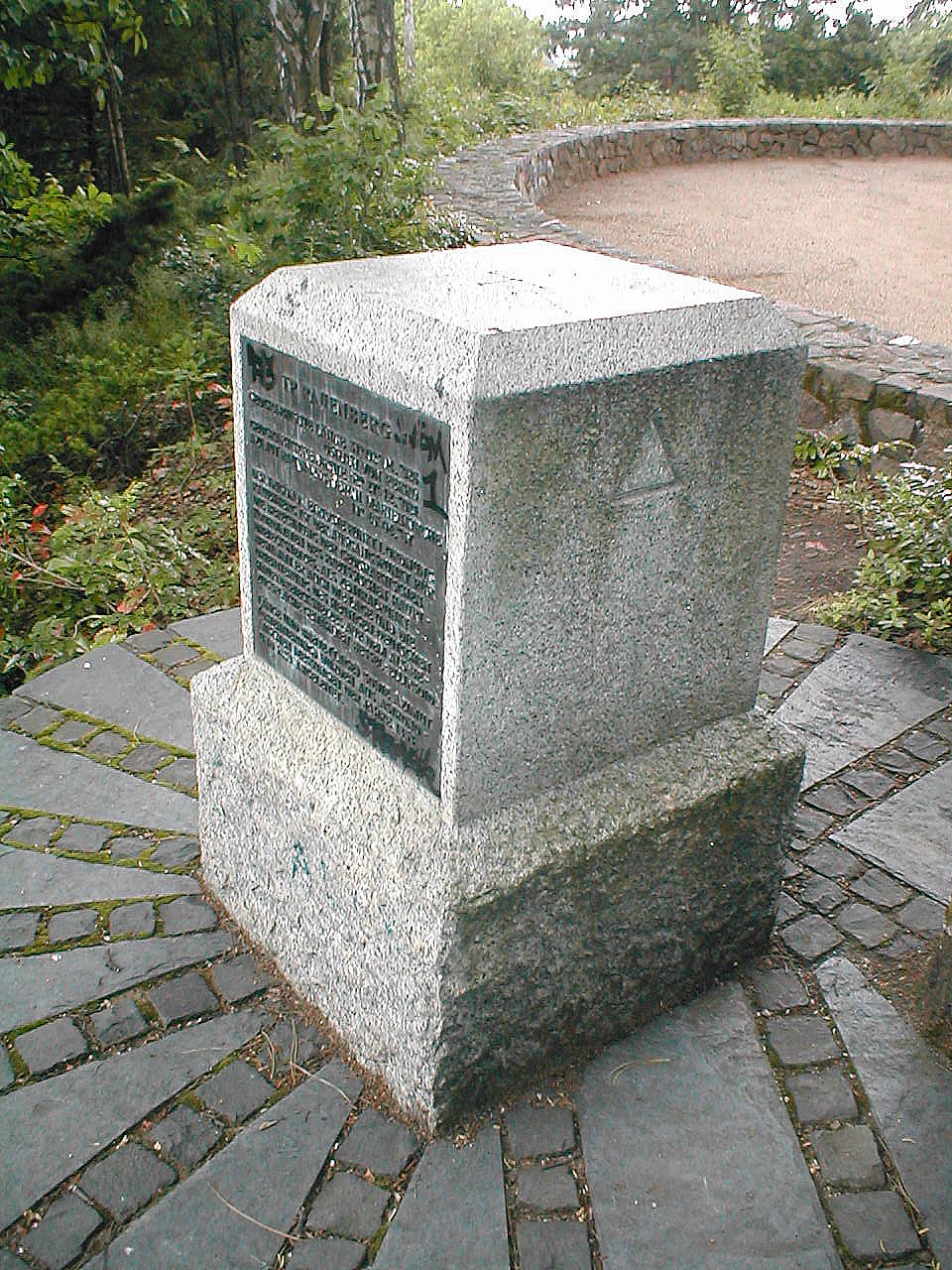
Today, you can find a reststück of the Berlin Wall in Babelsberg. It is a preserved fragment, a physical piece of the past kept for study. It sits as a quiet monument to a time when a city was split by more than just concrete, but by the competing dreams of two different worlds.
Sources: Wikipedia, OpenStreetMap, Wikidata, Wikimedia Commons





Written by Aurora
Discuss this with the author and others
No comments yet. Be the first to start the conversation.