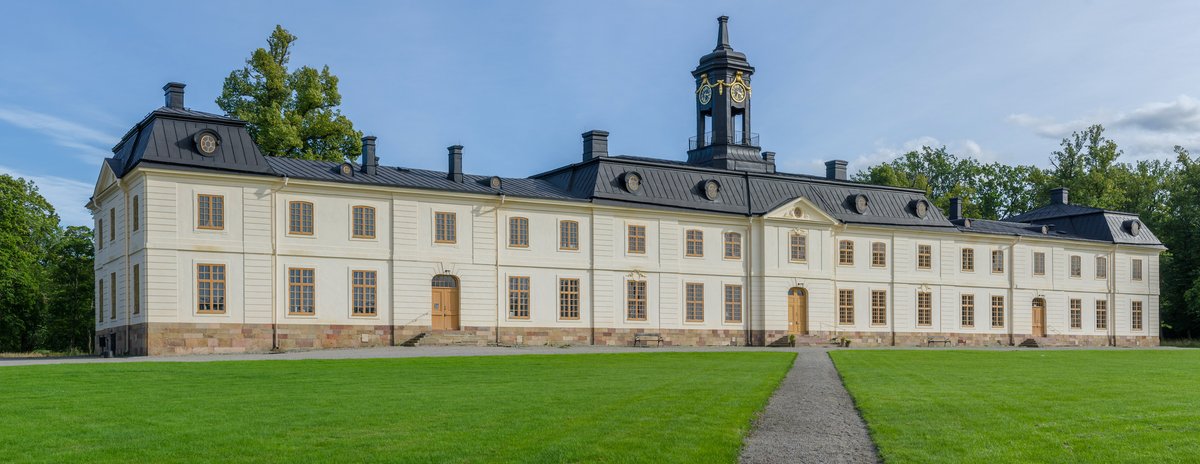

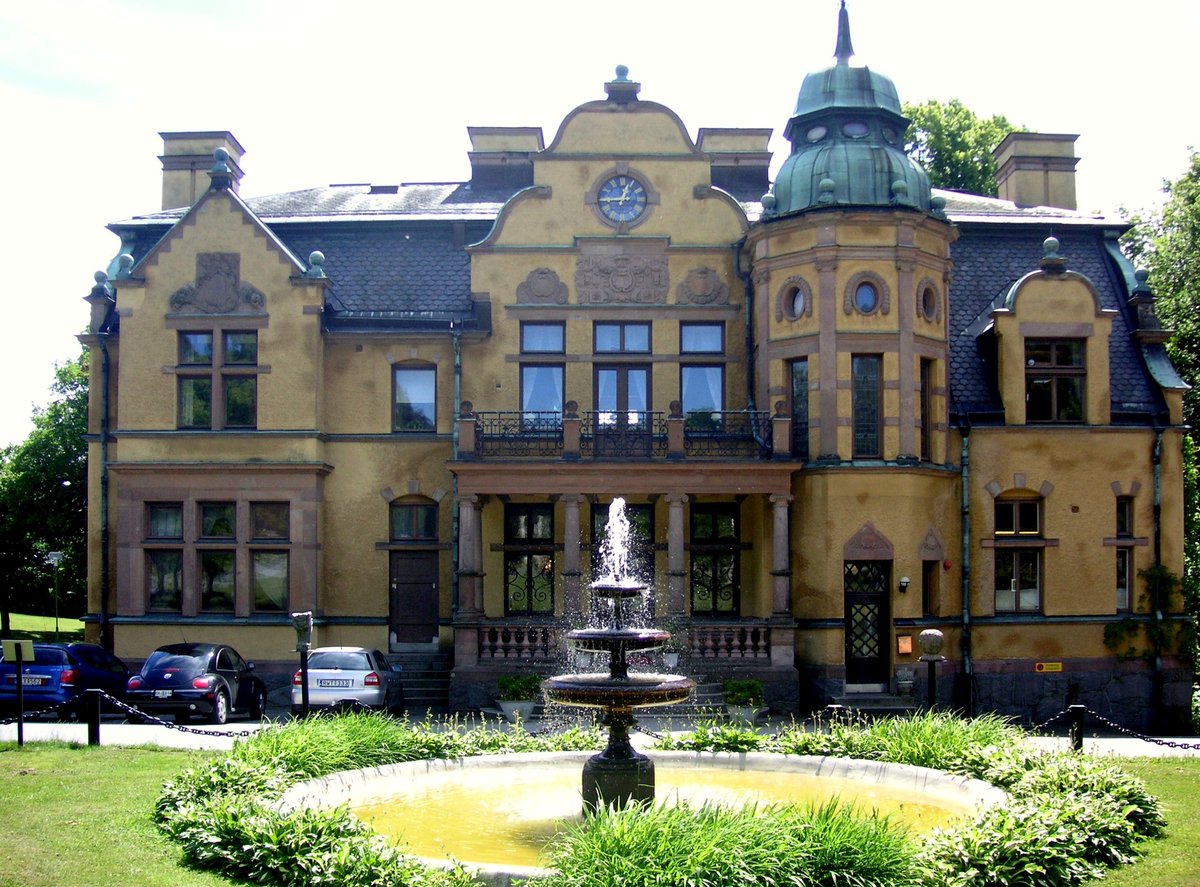
In 1739, the middle section of Svartsjö Palace was completed as a hunting retreat for Queen Ulrika Eleonora. Drawing from French design, the Rococo style established a new standard for Swedish country mansions. The façade was restored to a light shade made to resemble French sandstone.
History took a turn as royal life faded. After Queen dowager Louisa Ulrika moved out in the late 1700s, the palace entered a period of neglect. By 1891, the site underwent a profound transformation. Due to nearby granite deposits, the palace became a place of industry and punishment where inmates mined stone until 1910.
To house more violent criminals, a closed section was constructed with 337 cells made of steel walls. This industrial era lasted until 1966, when the prison finally closed and the steel walls were removed. Today, the palace is restored to its former elegance with a lightened façade and gold brown oak windows.
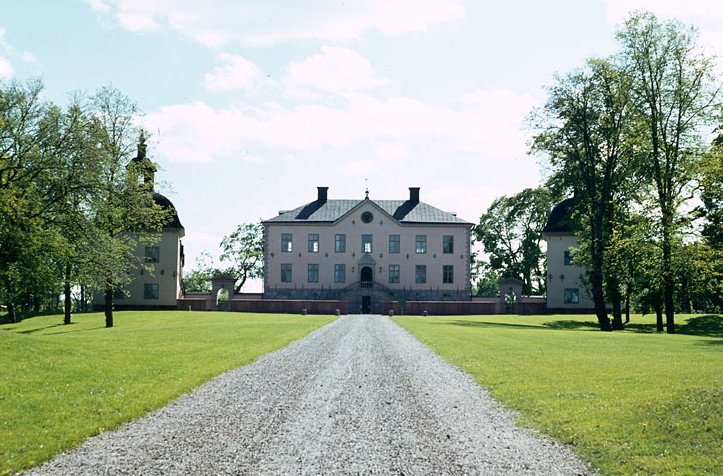
While the interior wallpaper was recreated rather than preserved, the palace remains a clear record of its varied history. The warden's house still sits in the gardens. It serves as a permanent reminder of its time as a site of detention and invites us to consider the many lives lived within these walls.
Sources: Wikipedia, OpenStreetMap, Wikidata, Wikimedia Commons




Written by Nik Frost
Discuss this with the author and others
No comments yet. Be the first to start the conversation.