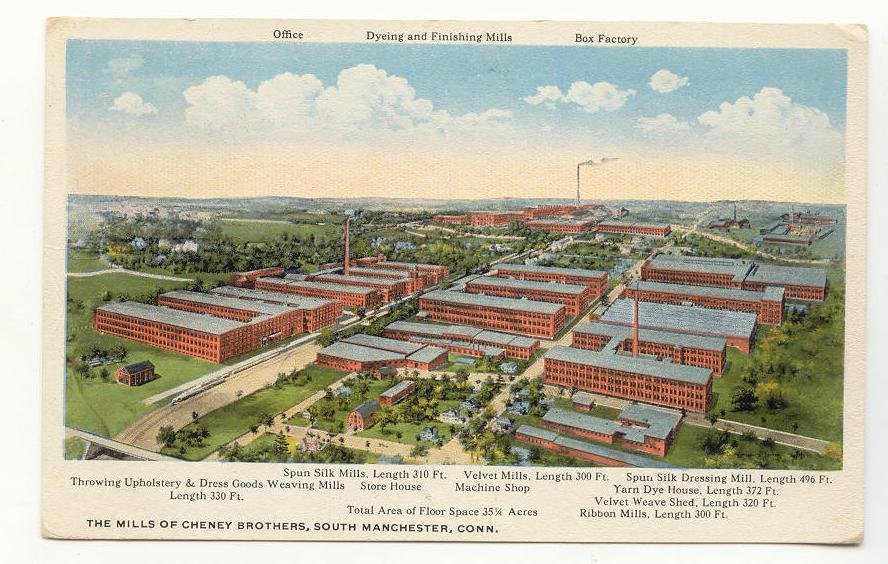
The Cheney Brothers were the first in America to properly raise and process silkworms, developing the difficult techniques of spinning and weaving silk. By the 1860s, they were an international leader in the business. The company practiced what was termed welfare capitalism, intending to provide a comprehensive living and working environment for their workers.
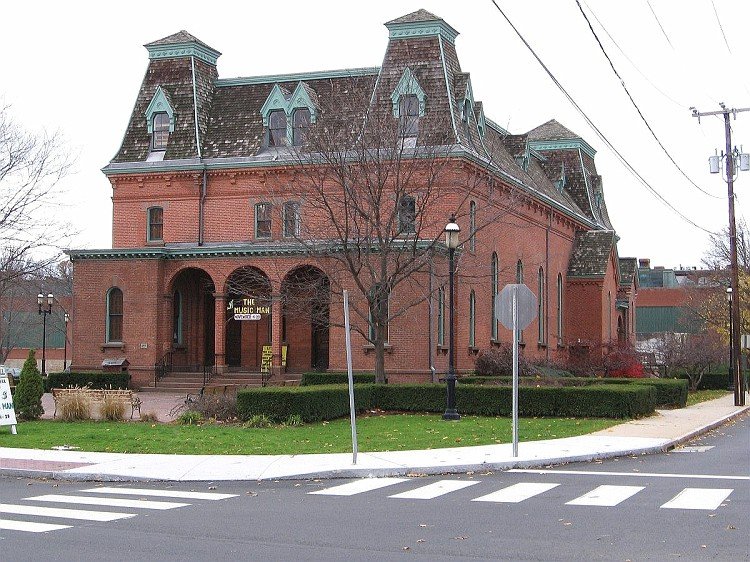
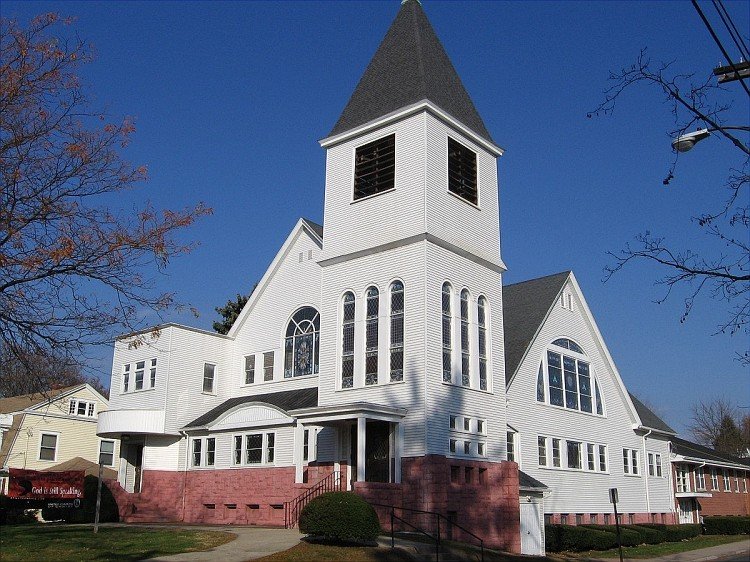
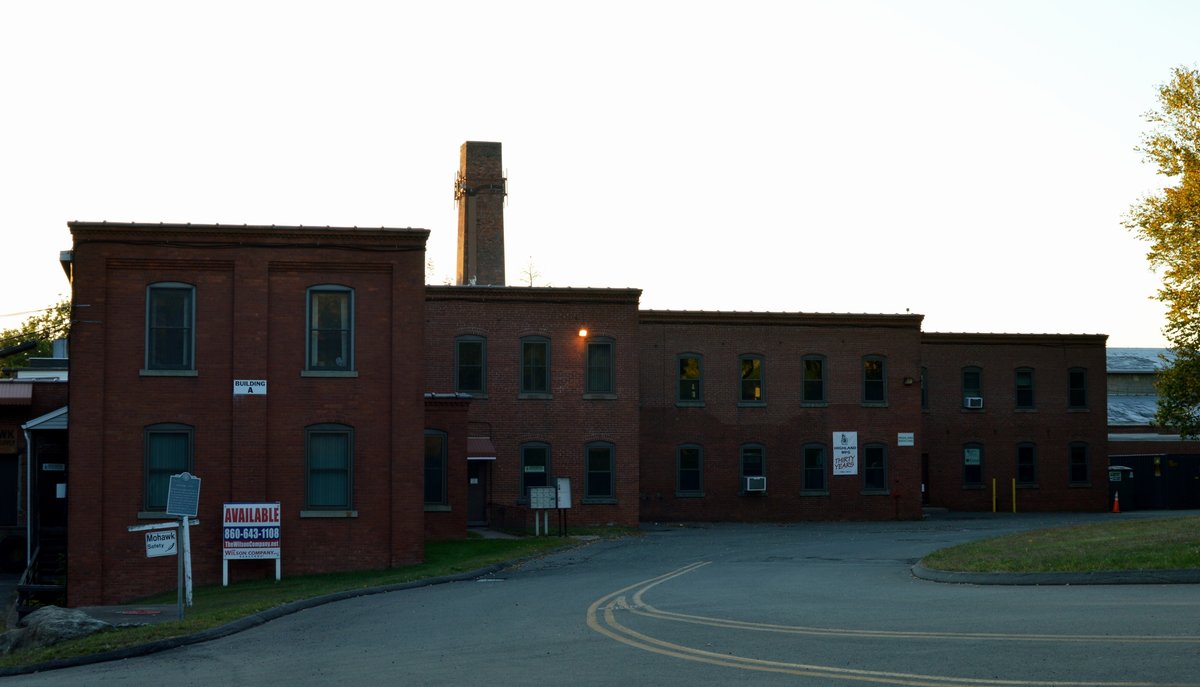
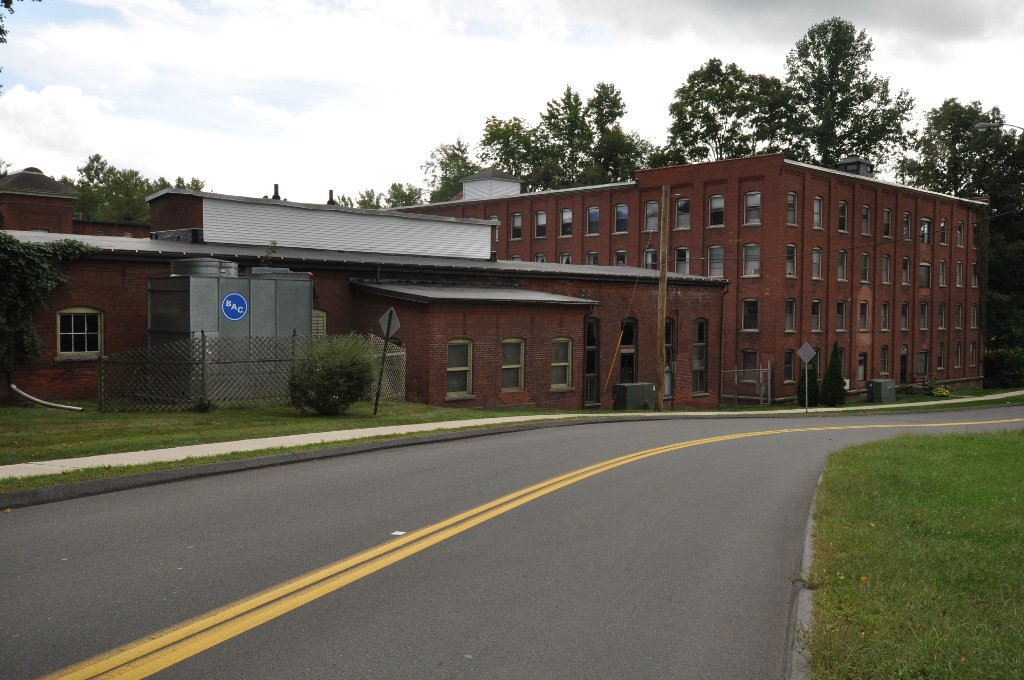
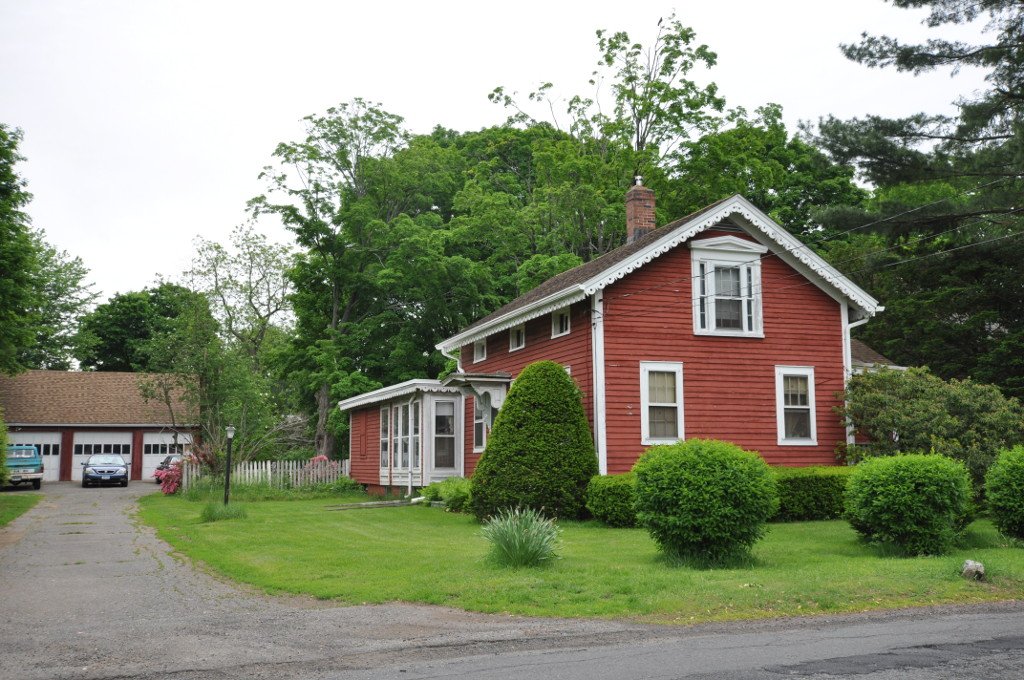
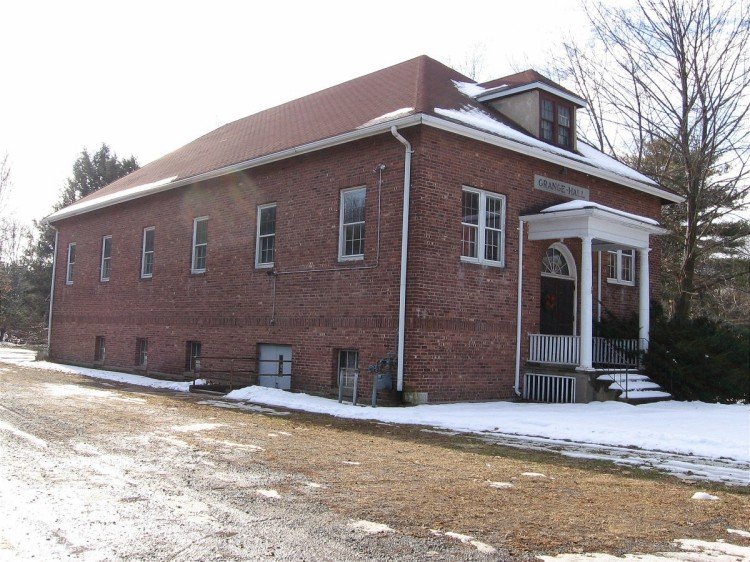
This 175-acre district is a well-preserved company town including over 275 mill buildings, workers houses, churches, schools and Cheney family mansions. The centerpiece of the district is a collection of sixteen surviving mill buildings, most of which were built between about 1880 and 1920. The Cheneys built schools, churches, and housing for their workers, and provided water and electricity to the surrounding area.
The silk business began to decline in the 1920s with the advent of synthetic fibers, and was further hurt by the Great Depression. The company sold off its utilities and much of its housing. The business was sold in 1954, though it continues to operate at a much smaller scale within the factory complex today.
You can still see the original 1780s Cheney Homestead as a museum. A local baseball team was once named the Silkworms.
Sources: Wikipedia, OpenStreetMap, Wikidata, Wikimedia Commons
Written by Leroy
Discuss this with the author and others
No comments yet. Be the first to start the conversation.