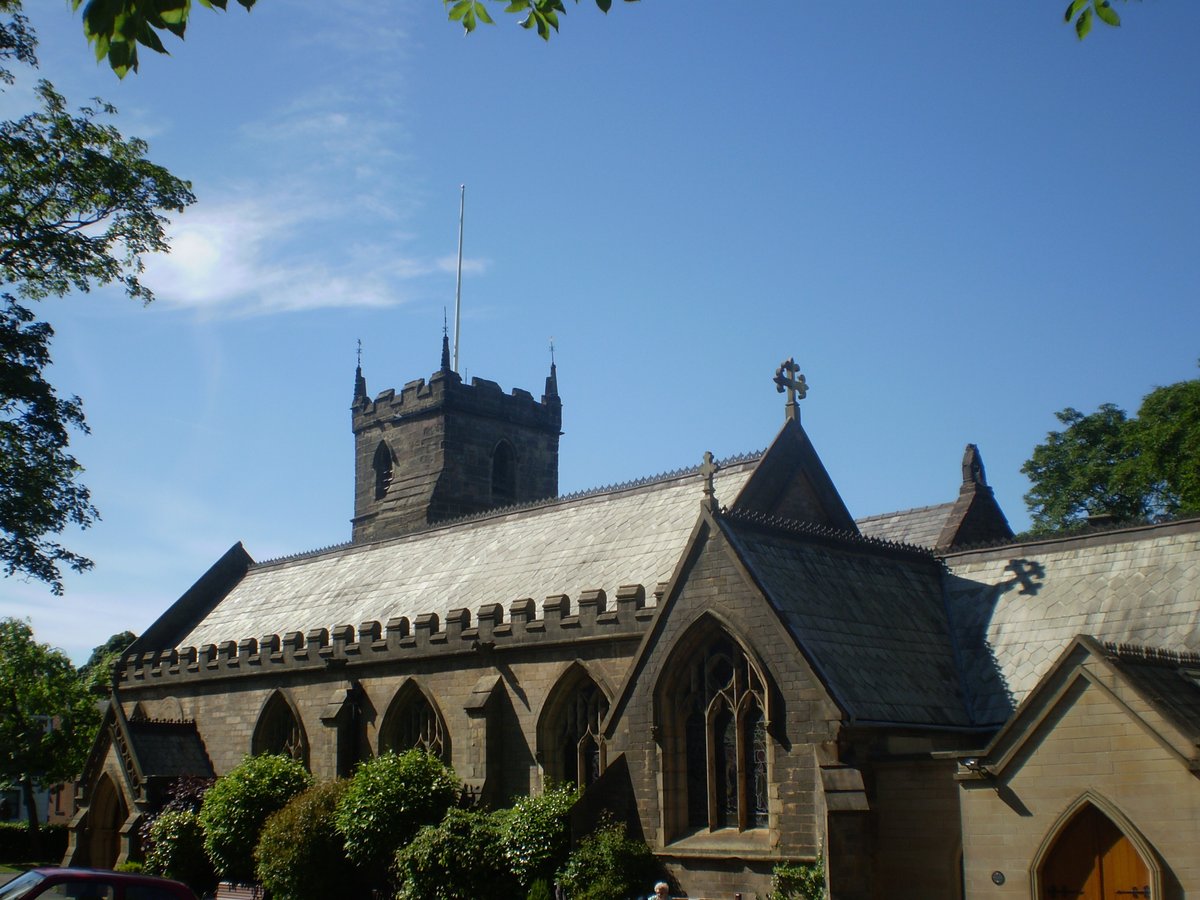

In 1442, a letter mentioned a reliquary owned by the church said to contain the bones of Saint Laurence. While that record is old, the site has a deep history, likely beginning as a daughter church in the Anglo-Saxon era. By 1362, the first documentary record noted a priest for the church, and by 1793, it became the mother church of the town.
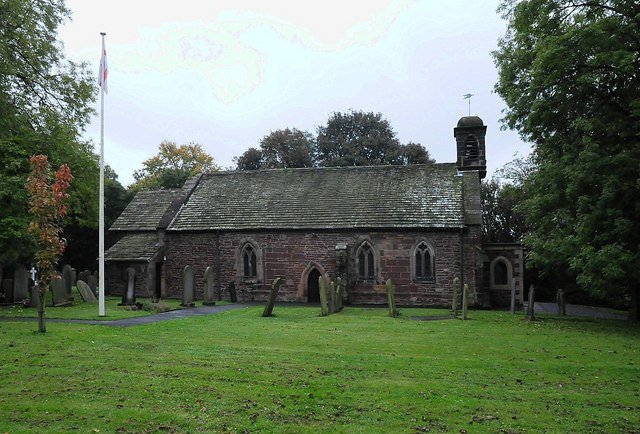
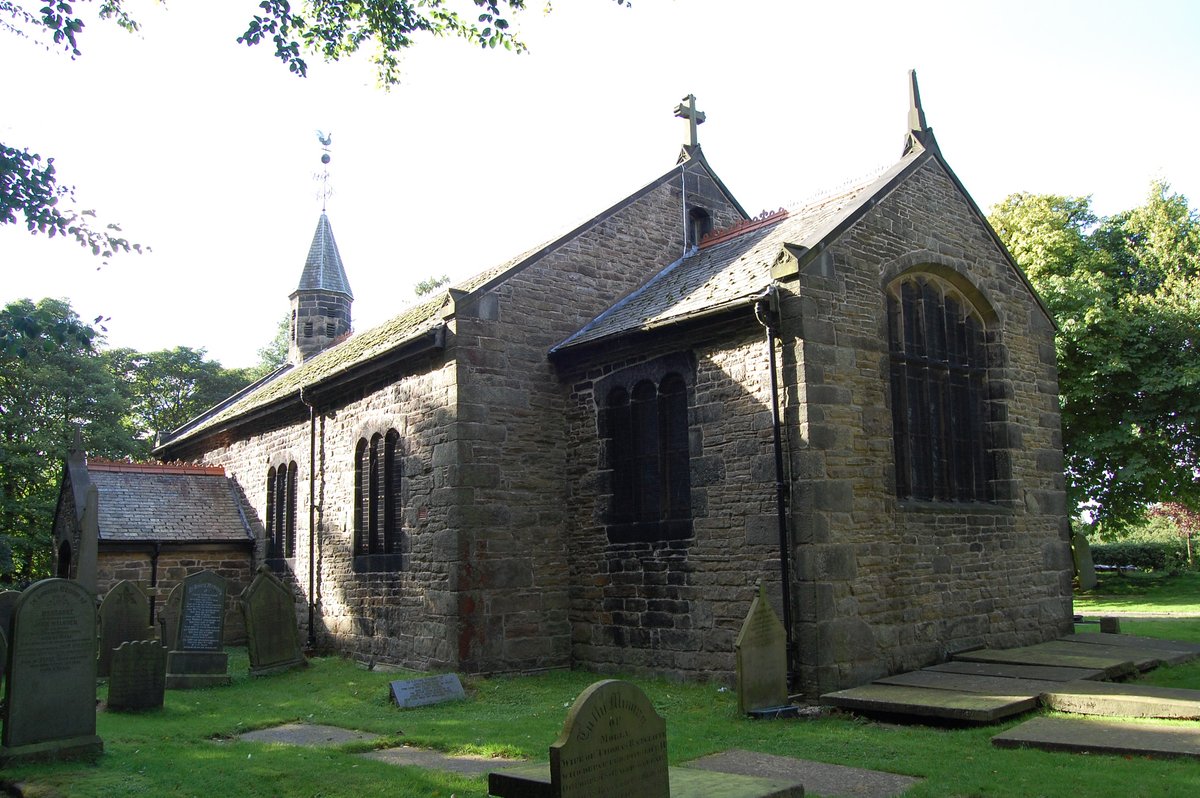
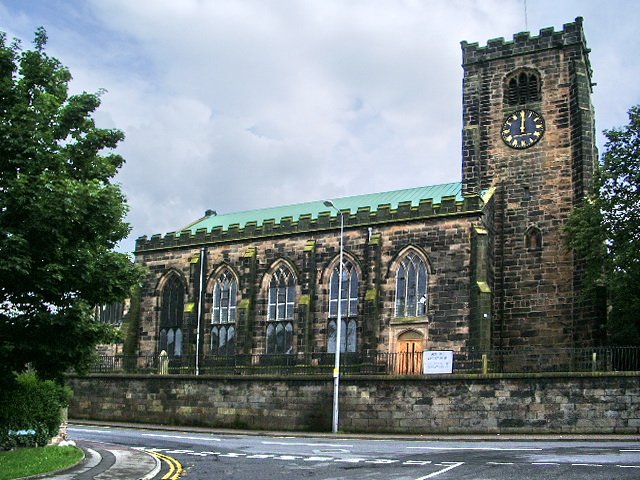
Major rebuilding took place between 1859 and 1861. There is disagreement about the architect responsible for this work; Hartwell and Pevsner say it was Charles Verelst, while Price attributes the work to E. G. Paley. The church is constructed in stone with slate roofs, featuring a Perpendicular style body and a tower dating from the 15th century. This tower is decorated with gargoyles and shields featuring three boars' heads, which some believe are the arms of William Booth, Bishop of Lichfield.
Inside, the church contains a glazed recess in the chancel holding animal bones. The south aisle houses a Standish pew from the early 17th century, described by Hartwell and Pevsner as the best example of its type in North Lancashire. Other features include a Parker pew from the later 17th century, stained glass from the 1860s and 1960s, and a ring of eight bells cast in 1996. It remains an active Anglican parish church.
Sources: Wikipedia, OpenStreetMap, Wikidata, Wikimedia Commons
Written by Nicolo Ciampini
Discuss this with the author and others
No comments yet. Be the first to start the conversation.