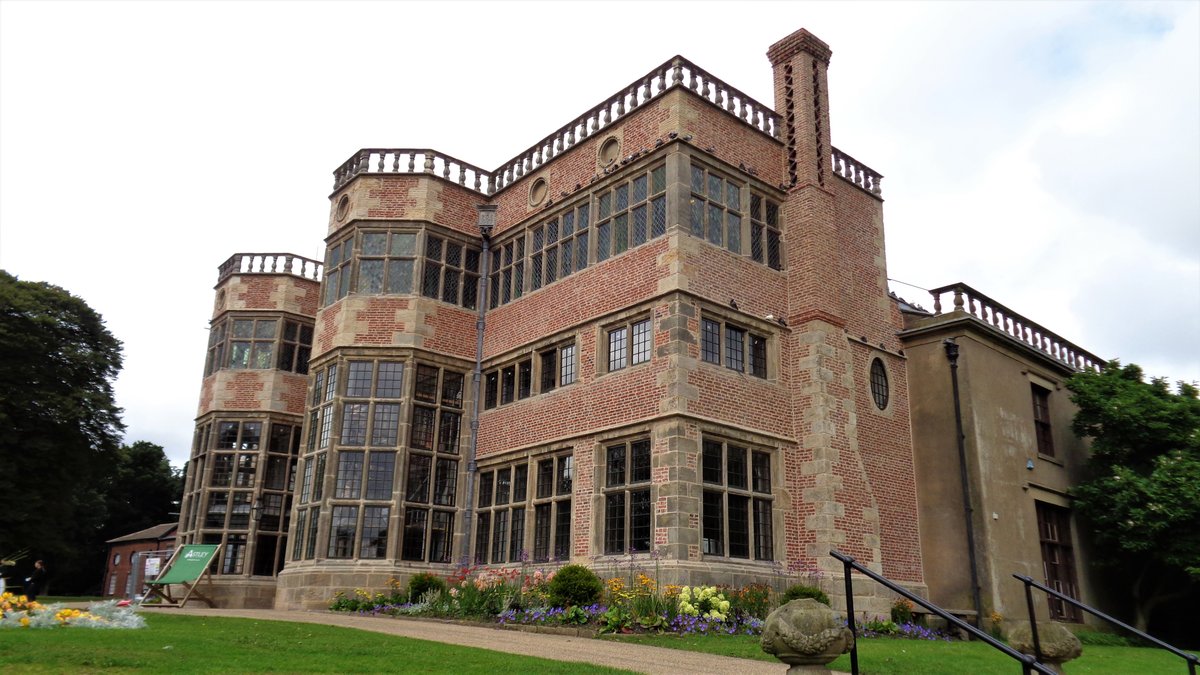

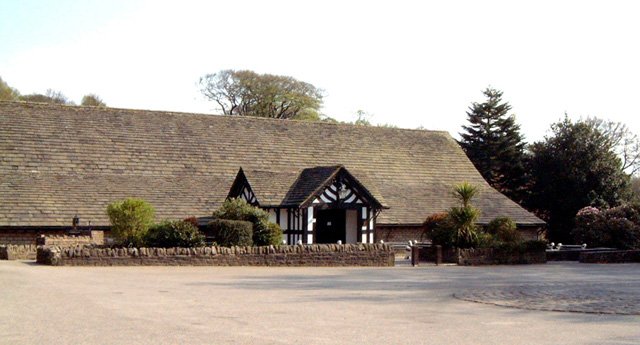
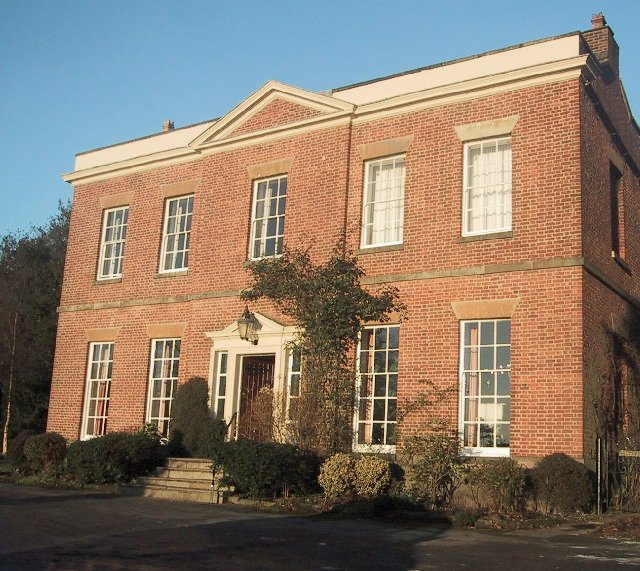
Astley Hall, a country dwelling in Chorley, Lancashire, England, is a historical relic that stretches across the centuries. Now a museum and art gallery belonging to the town, this hall was initially built by the Charnock family around 1575-1600. With the Charnocks, who acquired the site back in the 15th century, being the original founders of the timber-framed house. In the late 17th century, Richard Brooke and Margaret Charnock added a grand, brick front range. The residence boasts an iconic entrance adorned with Ionic columns, which serves as a lasting testament to its architectural grandeur.
The interior is no less impressive, adorned with elaborate plasterwork on the ceilings of the Great Hall and drawing room, as well as a staircase boasting a coarse but energetic carved balustrade and newels. The house experienced further alterations in the 18th and 19th centuries, including the addition of a south wing by Robert Townley Parker in 1825, a design by Lewis Wyatt. The dining room, situated in the early 19th-century wing, showcases 16th-century panelling brought in from elsewhere. After changing hands several times, the house was donated to Chorley Corporation in 1922 by Reginald Tatton as a tribute to locals who perished in World War I.
Sources: Wikipedia, OpenStreetMap, Wikidata, Wikimedia Commons
Written by Nicolo Ciampini
Discuss this with the author and others
No comments yet. Be the first to start the conversation.