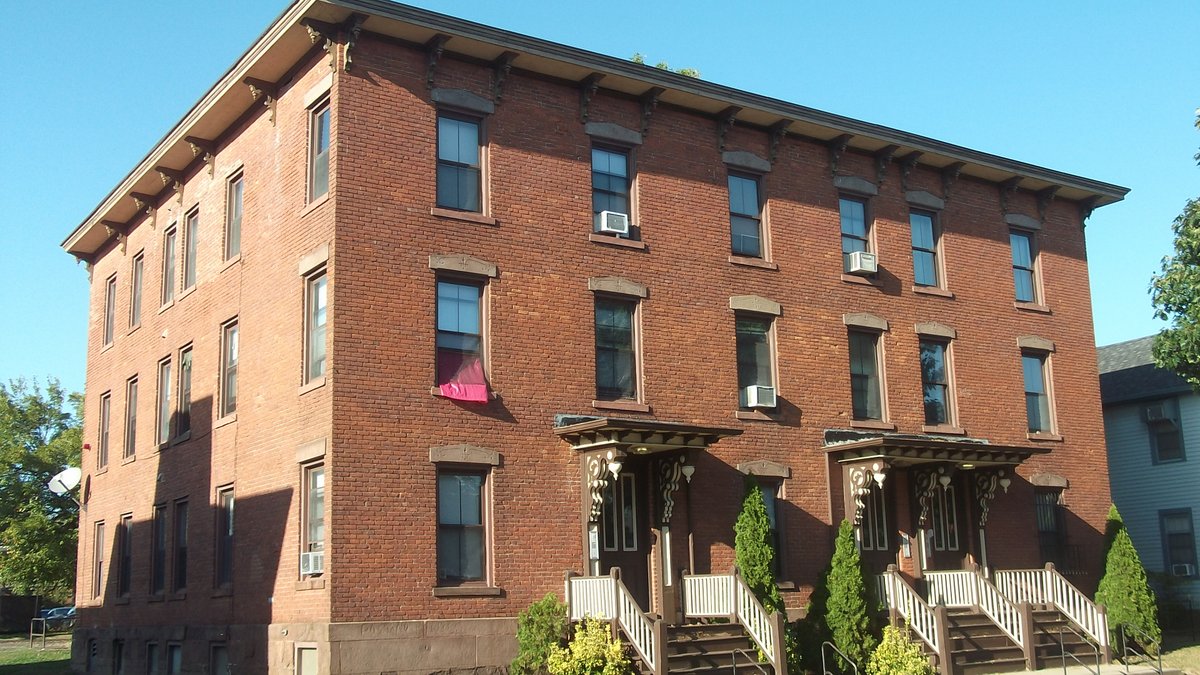
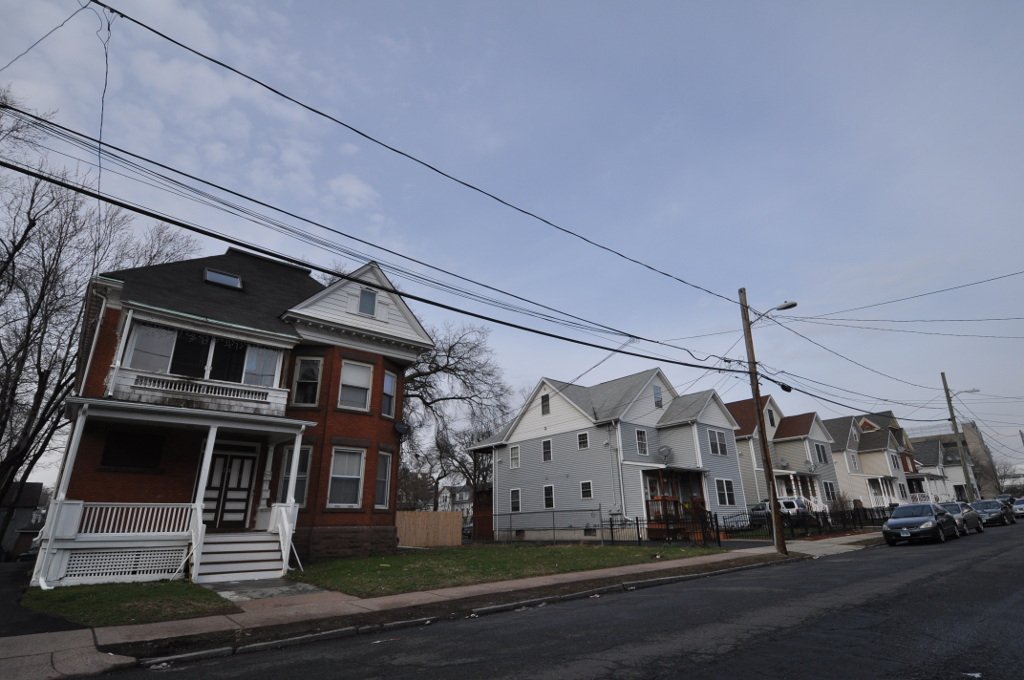
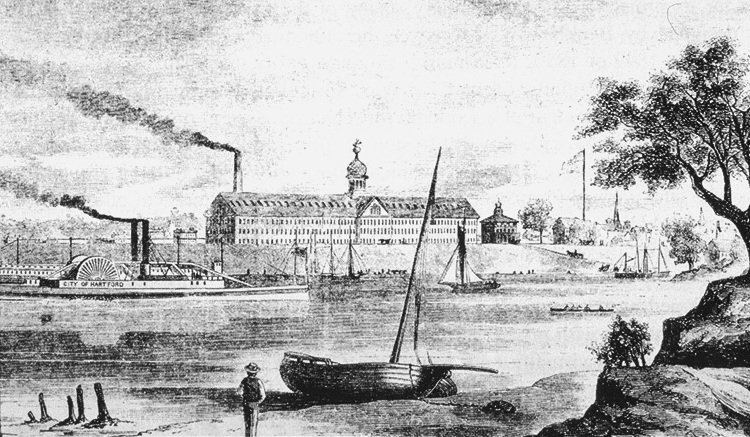
The South Green Historic District encompasses a predominantly 19th-century residential area near the South Green of Hartford, Connecticut. In 1642, the city allocated the land south of downtown as common pasture land. Significant development began in 1850 when Solomon Porter led a push to increase development in the area. By 1854, the city boundary was moved south, and Wethersfield Avenue was built with large Italianate homes, mainly in brick, for wealthier buyers.
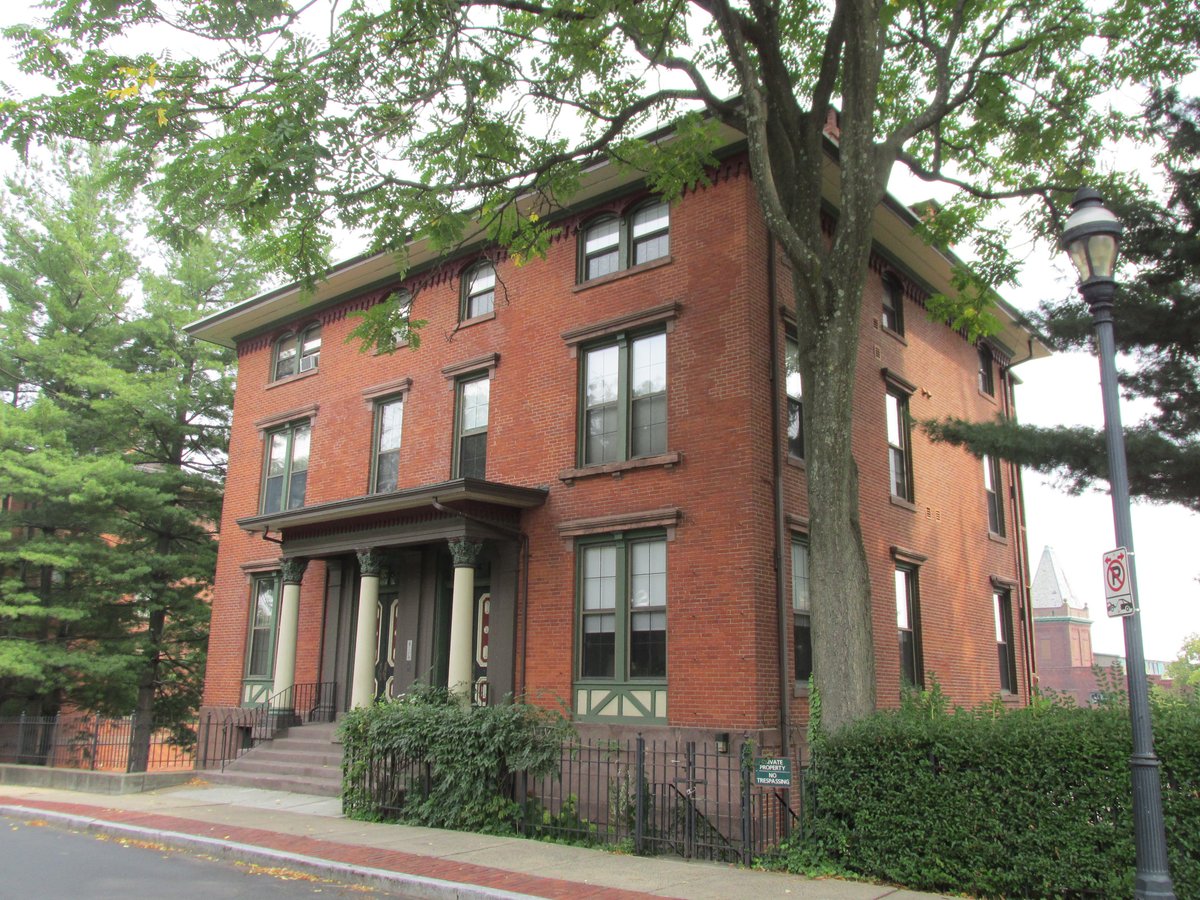
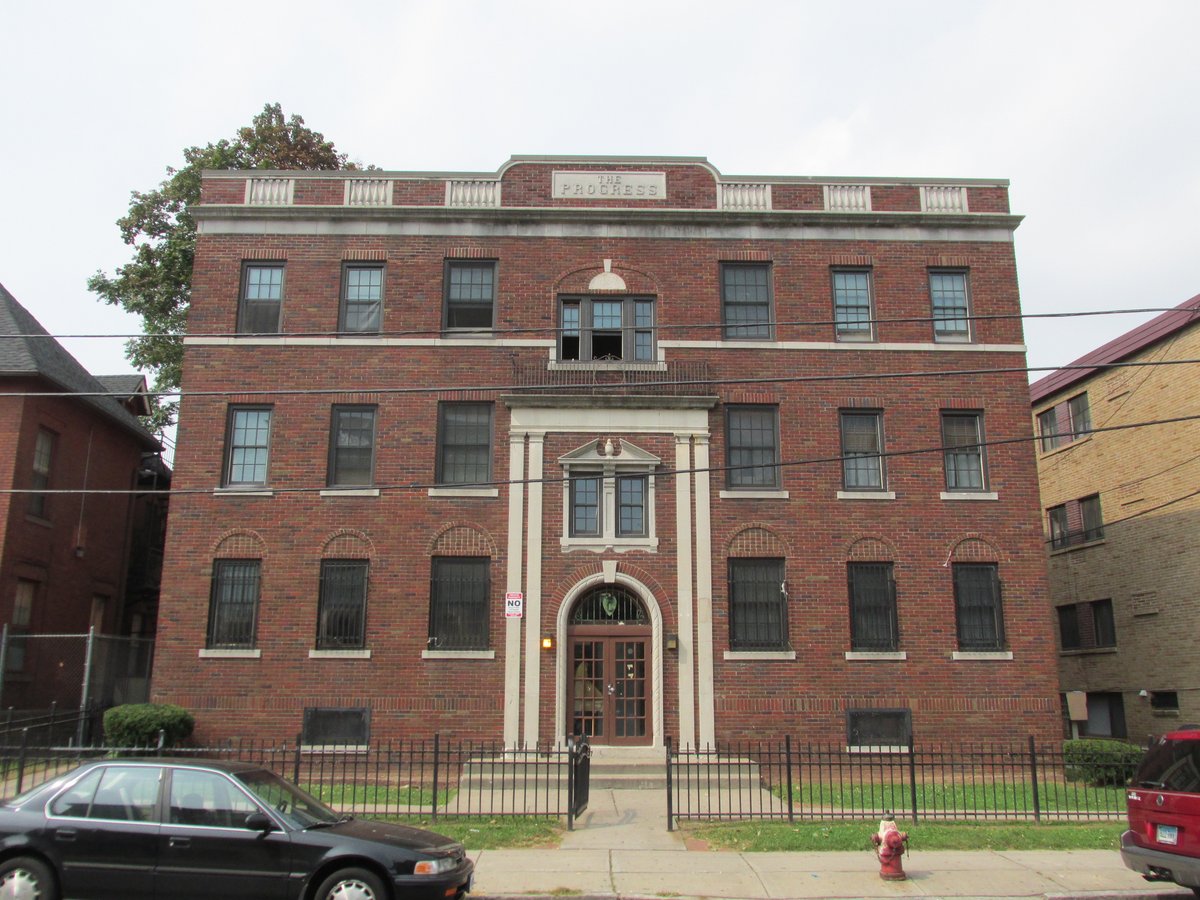
While the side streets were built out with more modest single and multifamily residences, the district features a variety of styles. These range from the elaborate home of armsmaker Samuel Colt to multi-unit apartment houses, many of which were built between about 1860 and 1900. One apartment block in the district was designed by George Dunkelberger, the designer of the bridges on the Merritt Parkway, and exhibits a similar flair for the whimsical.
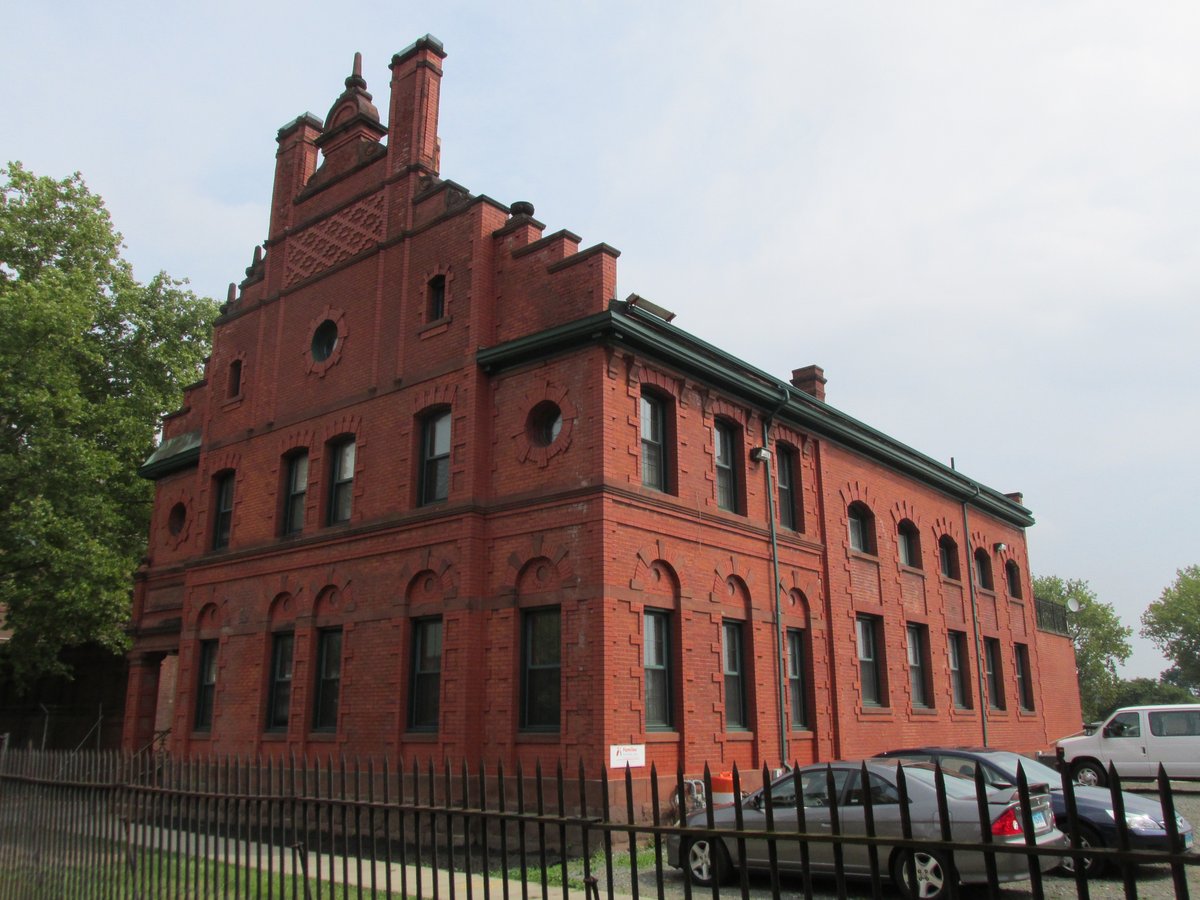
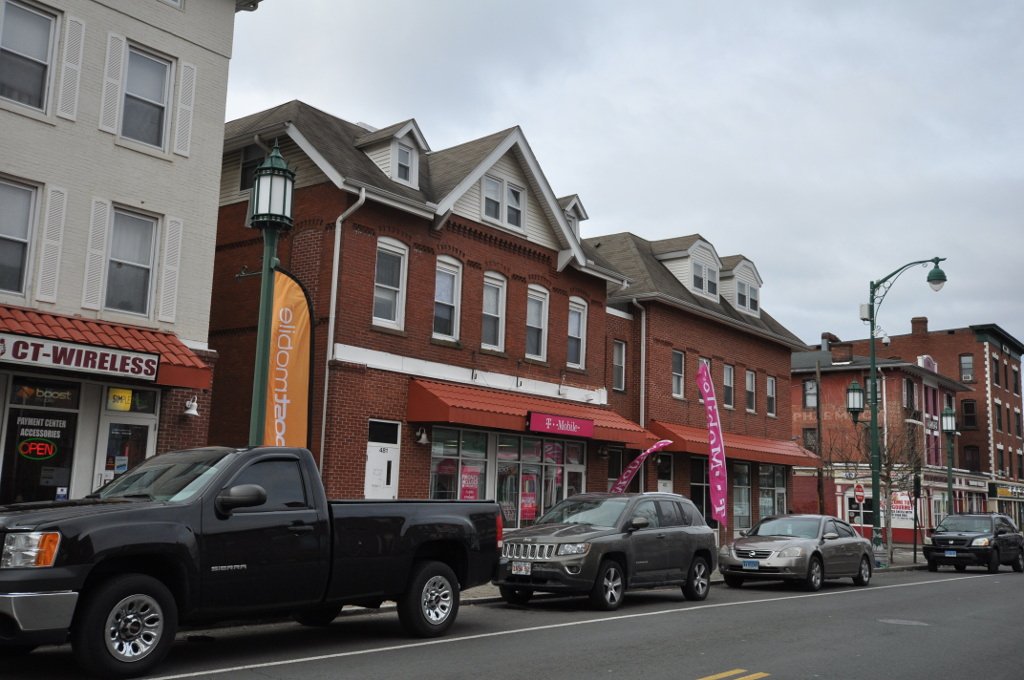
The district is roughly triangular, extending from South Green along Main Street and Wethersfield Avenue to include Morris, Dean, and Alden Streets. Non-residential buildings in the district include three churches, a small number of commercial buildings, and a modest number of small light industrial buildings. The district is bordered by the Colt Industrial District to the east, Charter Oak Place to the north, and Congress Street to the west.
Previously listed properties within the district include Armsmear, the National Historic Landmark home of armsmaker Samuel Colt, the Henry Barnard House, home to 19th-century educator Henry Barnard and also a National Historic Landmark, and the Day-Taylor House. The district was listed on the National Register of Historic Places in 1977.
Sources: [1] https://www.nps.gov/subjects/nationalregister/index.htm
Sources: Wikipedia, OpenStreetMap, Wikidata, Wikimedia Commons
Written by Leroy
Discuss this with the author and others
No comments yet. Be the first to start the conversation.