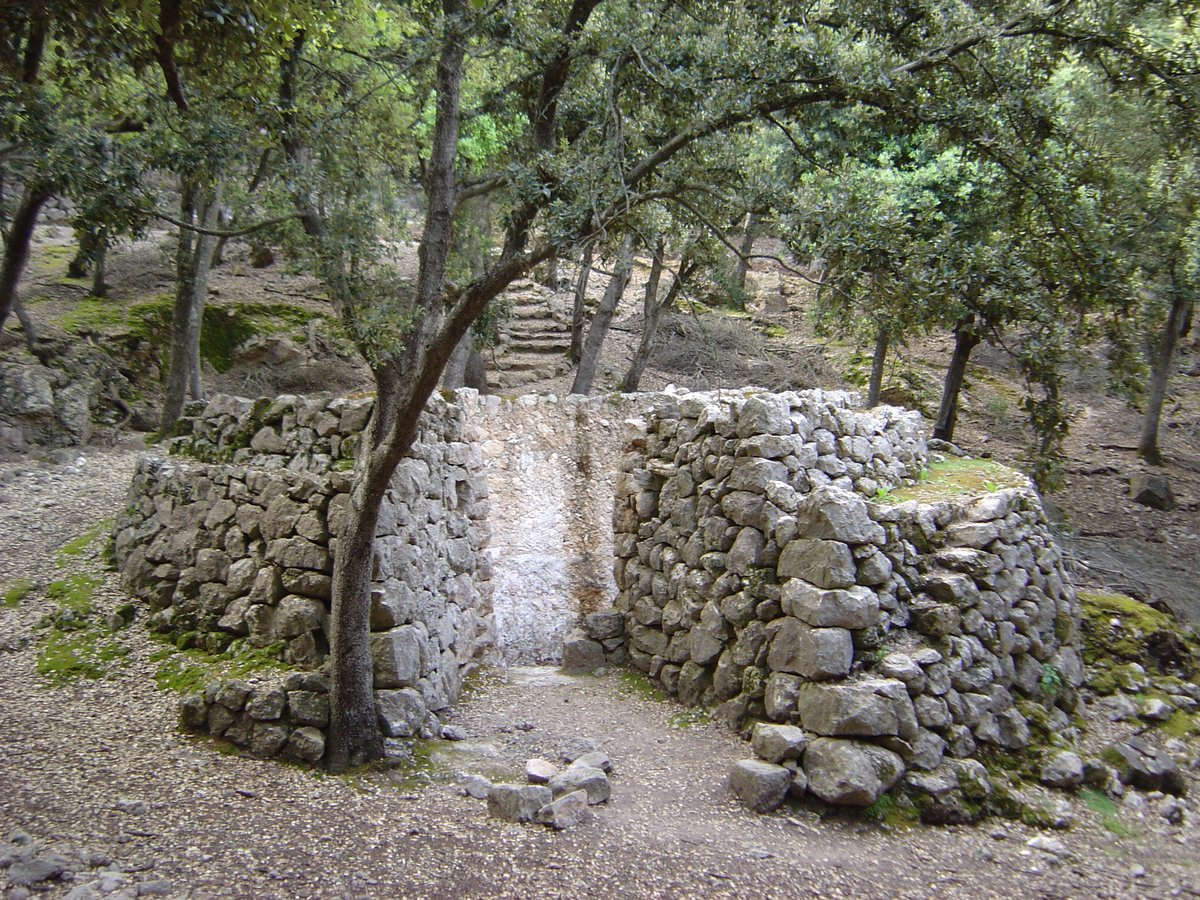
The lime kiln is a structure designed for the calcination of limestone, or calcium carbonate, to produce quicklime, which is calcium oxide. The chemical reaction involves adding heat to limestone to release carbon dioxide. Knowledge of the value of lime in agriculture is ancient, but it became widely possible in the late 13th century when the use of coal made it cheap. Because transporting minerals was difficult in the pre-industrial era, lime was often manufactured at small coastal ports, and many preserved kilns can still be seen on quaysides around the coasts of Britain.
Sources: Wikipedia, OpenStreetMap, Wikidata, Wikimedia Commons









Written by Leroy
Discuss this with the author and others
No comments yet. Be the first to start the conversation.