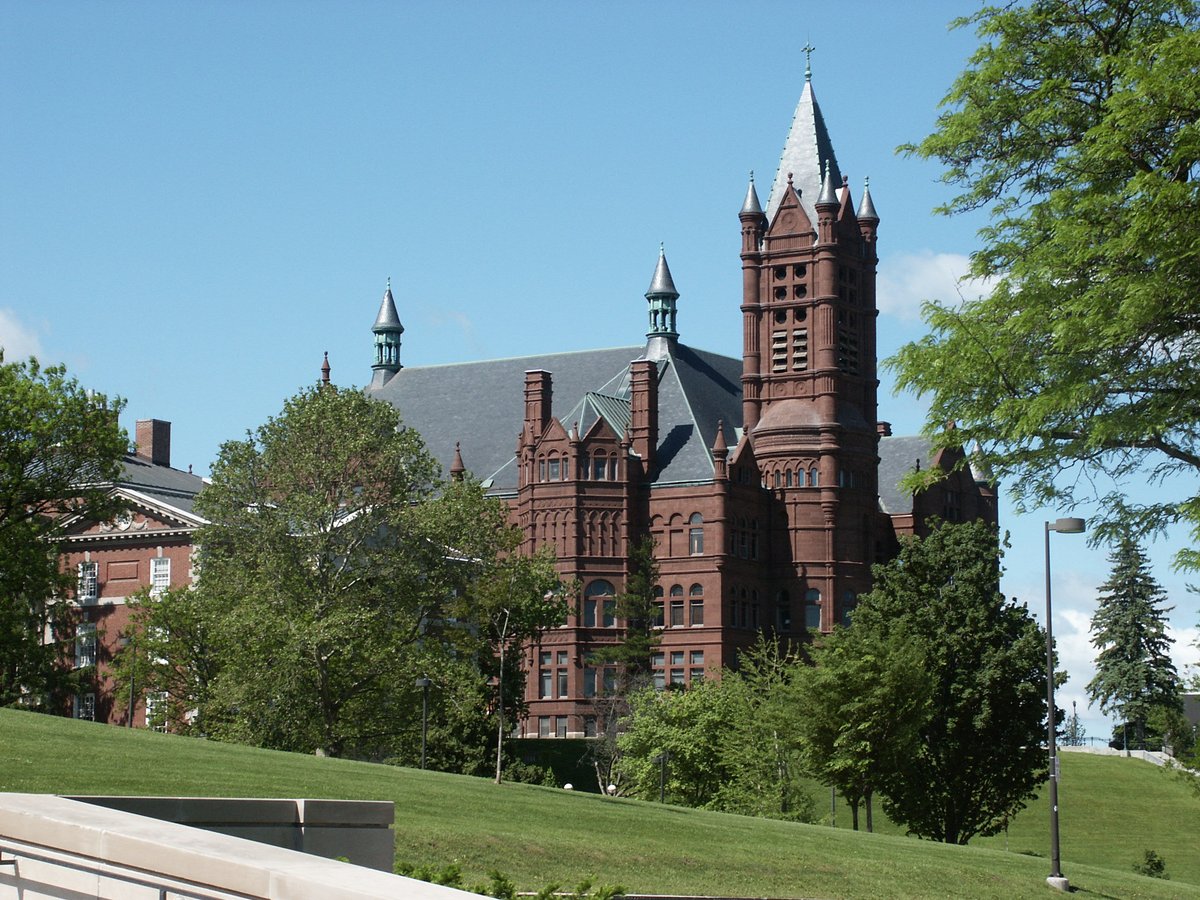
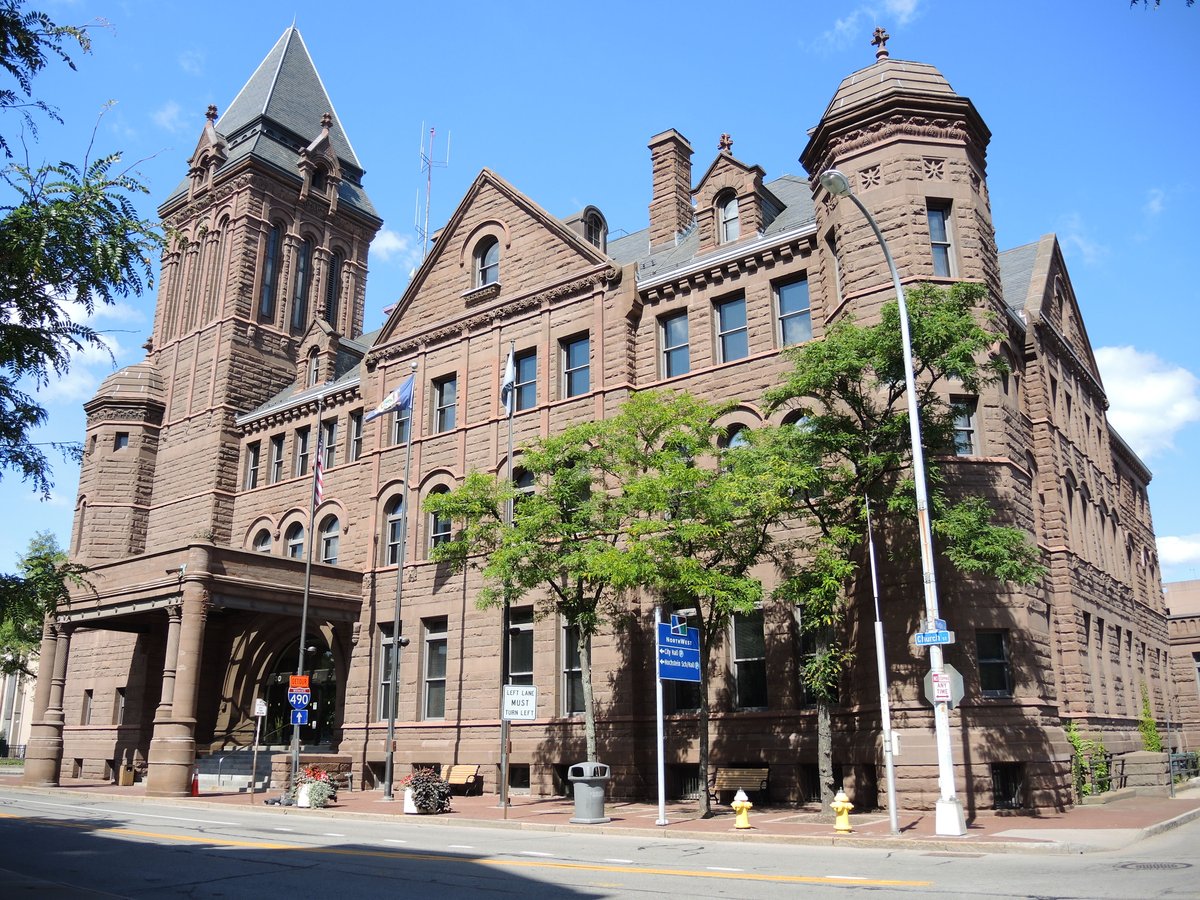
As you set foot onto Syracuse University's grounds, you'll come across Crouse College. The Romanesque Revival architecture revels in the Richardsonian Romanesque style, with an exterior covered in Longmeadow brownstone and a stout granite foundation. The building is a historical landmark on campus, and its essence is not confined to its exterior charm. As you step inside, you are welcomed with an awe-inspiring interior, featuring carved hardwood woodwork designs that are representative of the period.
But the chorus of the story unfolds in the symphony of music that fills the college. It was home to the first College of Fine Arts in the United States and now houses the College of Visual and Performing Arts and the Rose, Jules R. and Stanford S. Setnor School of Music. The Setnor Auditorium, initially intended for use as a chapel, seats about 700 people. In 1998, it was rejuvenated, but the pièce de résistance remains the pipe organ, installed in 1889 by the Roosevelt Organ Works, renovated by the Estey Organ Company in 1924, and upgraded by the Holtkamp Organ Company in 1950.
The organ proudly boasts 3,823 pipes and is considered Walter Holtkamp's magnum opus. The bells in the bell tower are a grand spectacle, forged by the Clinton H. Meneely Bell Company, with the original nine bells ranging from 375 to 3,000 pounds. There's even a student group, The Chimesmasters from the Setnor School of Music, who faithfully ring the chimes regularly. They hosted a celebration concert in 2014 to honor the bell tower's 125th anniversary. Another enchanting feature is the sculpture, Winged Victory, nestled at the foot of the main staircase in Crouse College.
Sources: Wikipedia, OpenStreetMap, Wikidata, Wikimedia Commons


Written by No Other
Discuss this with the author and others
No comments yet. Be the first to start the conversation.