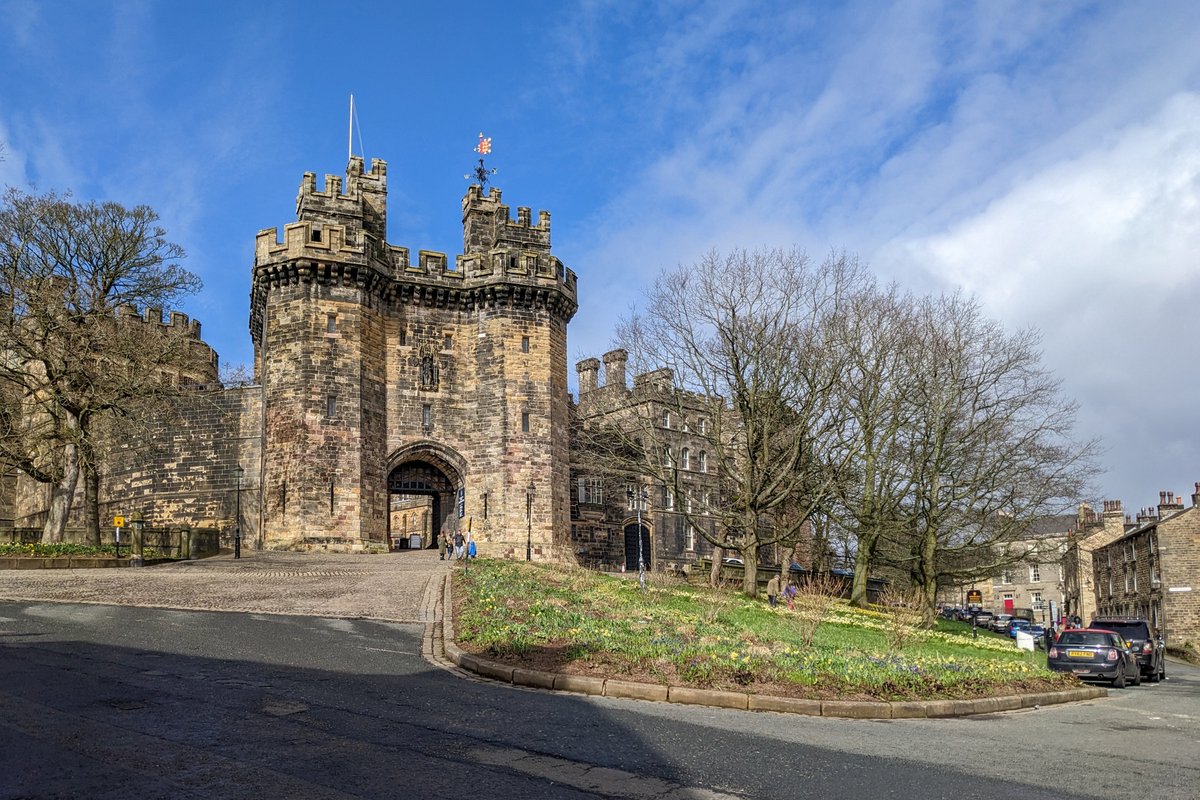

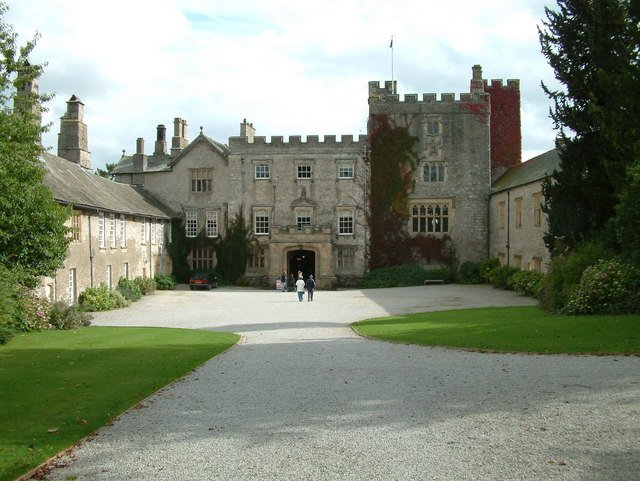
For centuries, the grand and imposing Lancaster Castle has held a significant place in the heart of Lancaster, England. Overlooking Castle Parade, this ancient fortress has left an indelible impact on the region’s history. Yet, the initial creator of this citadel is a riddle; candidates such as Roger de Poitou and King David I of Scotland claim the credit, though none can absolutely verify it.
Regardless of who lifted the first stone, the castle’s strategic vantage over the River Lune and a vital crossing point made it a formidable stronghold. In 1164 the Honour of Lancaster, including the castle, came under royal control. In 1141, King Stephen secured his northern frontier by allowing David I of Scotland to occupy the Honour, and it is possible that David refortified the castle at this time.
Following its initial construction, the castle served as a prison from 1196, gaining more prominence as a prison during the English Civil War. In 2011, the castle was once again handed to the Duchy’s management, after many years under the Ministry of Justice. Today, the castle welcomes visitors, who can explore the historical attraction, boasting additions such as a café and conference facilities, offering views of the neighbouring Lancaster Priory. A Roman fort once stood on the same site, with Lancaster being part of the Earldom of Northumbria.
Lancaster Castle, the oldest standing building in Lancaster, remains one of the most important historical landmarks in the region.
Sources: Wikipedia, OpenStreetMap, Wikidata, Wikimedia Commons
Written by Nicolo Ciampini
Discuss this with the author and others
No comments yet. Be the first to start the conversation.