Secrets of the Monument to Catherine the Great

Ostrovskogo Square, 1, Saint Petersburg, Russia, 191023

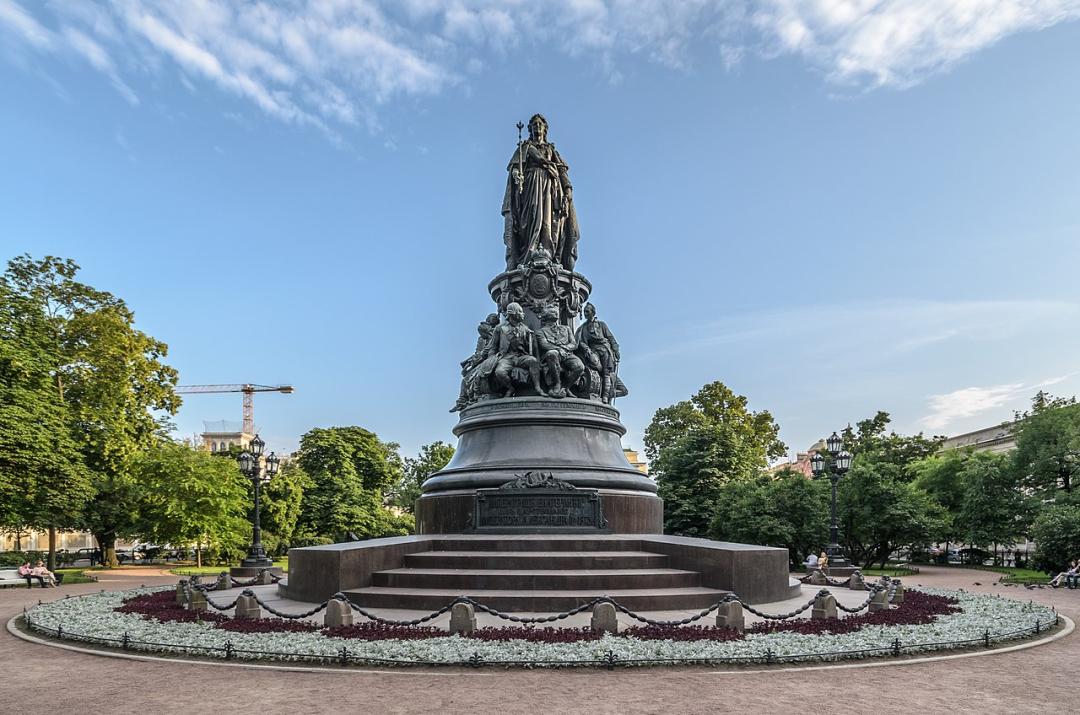
The most famous treasure of Catherine the Great in St. Petersburg is guarded by the Empress herself!

On November 24, 1869, Alexandrinsky Square, as Ostrovsky Square was then called, was crowded. In the presence of the imperial family, a monument to the Autocrat of All Russia — Catherine the Second — was laid here. There is a legend that the laying of the monument made such a strong impression on one of the spectators that, not knowing how best to express her emotions, she tore a diamond ring from her finger and threw it into the foundation pit as a token of gratitude to the great empress for her deeds. Noble ladies and gentlemen present at the ceremony followed her example, and soon many earrings, rings, brooches, bracelets, and necklaces lay at the bottom of the pit. The monument laying ceremony lasted longer than planned because many wished to "offer as a gift" their precious jewelry to Catherine II.

Rumor has it that the treasures still lie beneath the monument in Catherine Garden. It has not yet been possible to verify this version. Although during Soviet times, party officials several times had the idea to conduct excavations in Catherine Garden, the plans were never realized.

Sources:

http://www.peterburg.biz/samyie-tainstvennyie-kladyi-sankt-peterburga.html
https://gorodovoy.ru/news/vo-vsem-mire-rabotayut-chto-zasluzhit-premiyu-i-tolko-v-peterburge-chtoby-ee-ne-lishili-kto-iz-gorozhan-ne-poluchaet-nadbavku_id892384_a177_dp250818


Follow us on social media

More stories from Saint Petersburg and Leningrad Region: The City of Treasures - Hoards

The treasure in the Naryshkin mansion is the largest treasure in Petersburg.

29 Tchaikovsky Street, Saint Petersburg, Russia, 191123

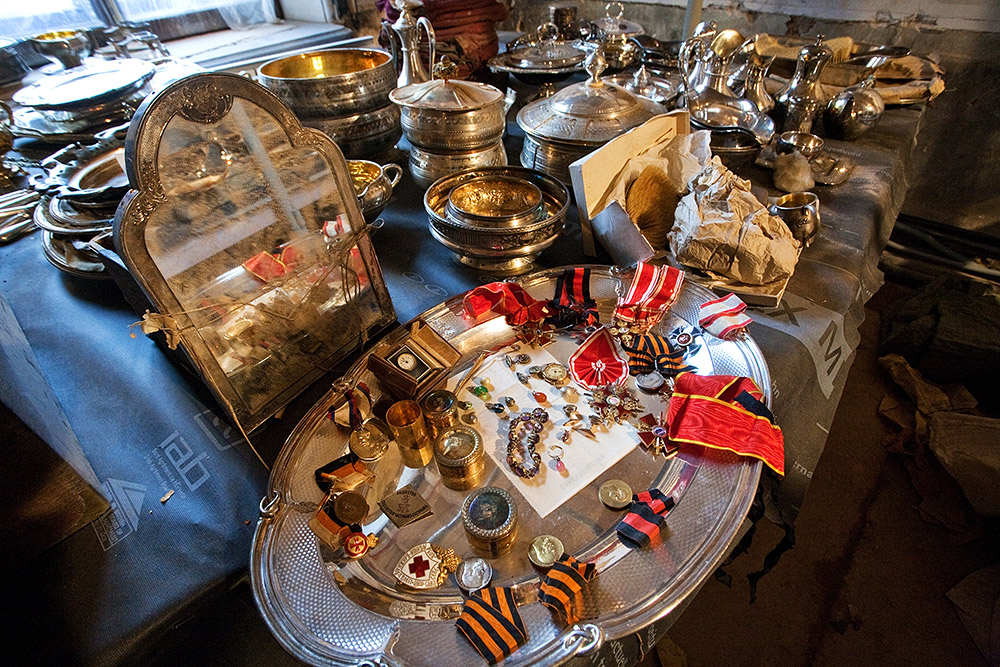
Workers found a treasure of antique silverware in an 18th-century mansion being restored in the center of Saint Petersburg. According to him, the treasure was discovered in the Naryshkin mansion on Tchaikovsky Street. Many items bore the coat of arms of the princely Naryshkin family, and the hallmarks on the silverware were from three periods: 1872, 1914, and 1915. Two thousand silver pieces were valued at €4 million.

The Morozov Treasure in the Leningrad Gostiny Dvor

Nevsky Ave., 35, Saint Petersburg, Russia, 191023

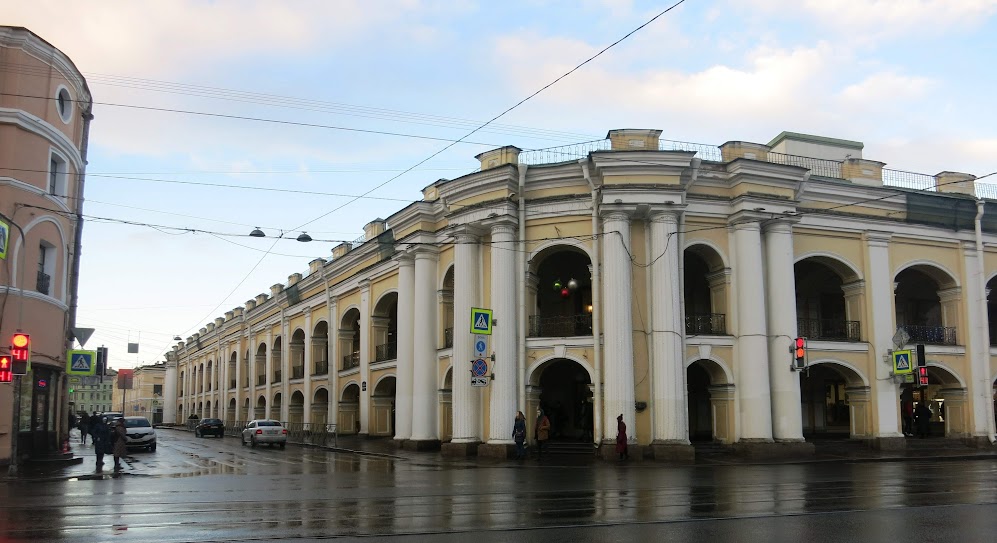
On October 26, 1965, an amazing event took place in Leningrad... On that day, in room No. 87 at the corner of Sadovaya and Lomonosovskaya lines of the Gostiny Dvor, builders from the 33rd Directorate of the Repair Trust of Glavleningradstroy were working: Nadezhda Biryukova and Sofya Komova. They dismantled a transverse wall that separated two rooms and began leveling the floor, preparing it for concrete pouring. Near a tiled stove, they discovered 8 non-standard, unusually heavy bricks. One of the workers had the idea to clean the heavy brick from dirt, and it turned out that under the bricks were hidden 8 gold bars, each weighing 16 kg. The total weight amounted to 128 kg. The workers received the due material reward from the state.

The Legend of the Bobrinsky Family Treasure or the Treasures of Catherine II

Galernaya St., 60, Saint Petersburg, Russia, 190000

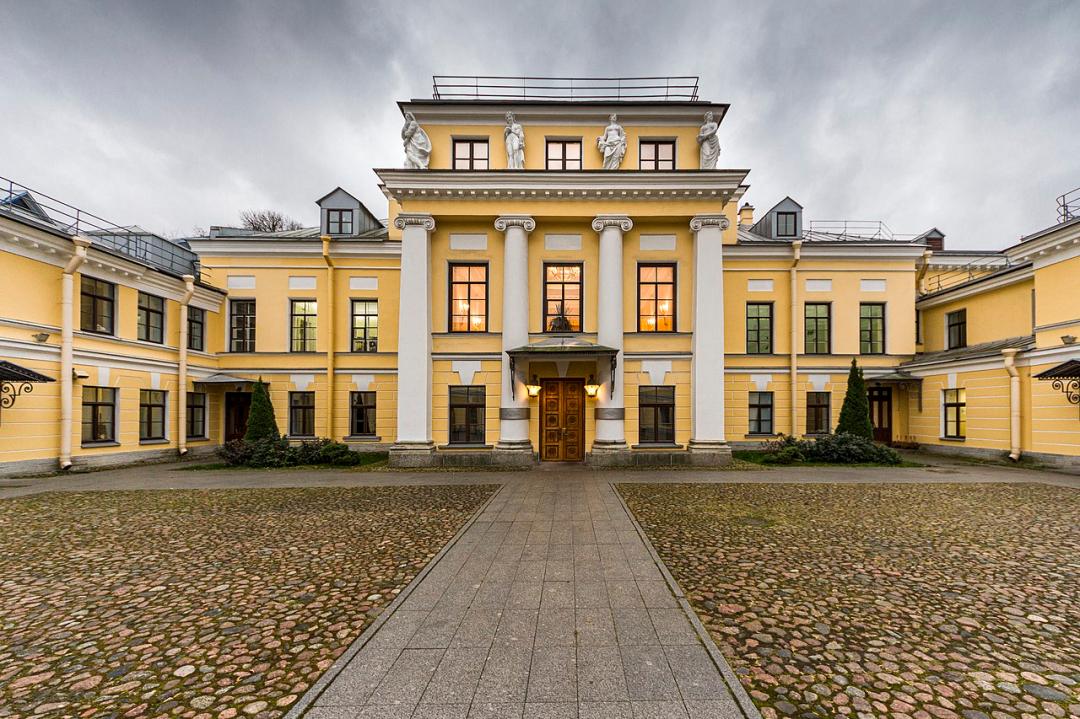
1930. The OGPU receives a strange letter from abroad. Someone named Bobrinsky offers to provide the Soviet government with information about the location of a family treasure. In exchange, he wants to receive half of its value! The tempting letter is immediately put under investigation, especially since it concerns the descendants of Alexei Bobrinsky – the illegitimate son of Catherine II and Grigory Orlov. Surely, caring for the future of her child, the crowned mother provided him with a rich dowry. But where? In the Bobrinsky palace in St. Petersburg, gifted to the founder of the family in 1797? Or in the Bogoroditsk estate near Tula, built specifically for Alexei Bobrinsky? Or maybe, by the time the letter was received, there were no treasures of the empress left at all? After all, unlike his descendants, Alexei Bobrinsky himself was known as a reckless bon vivant and spendthrift.