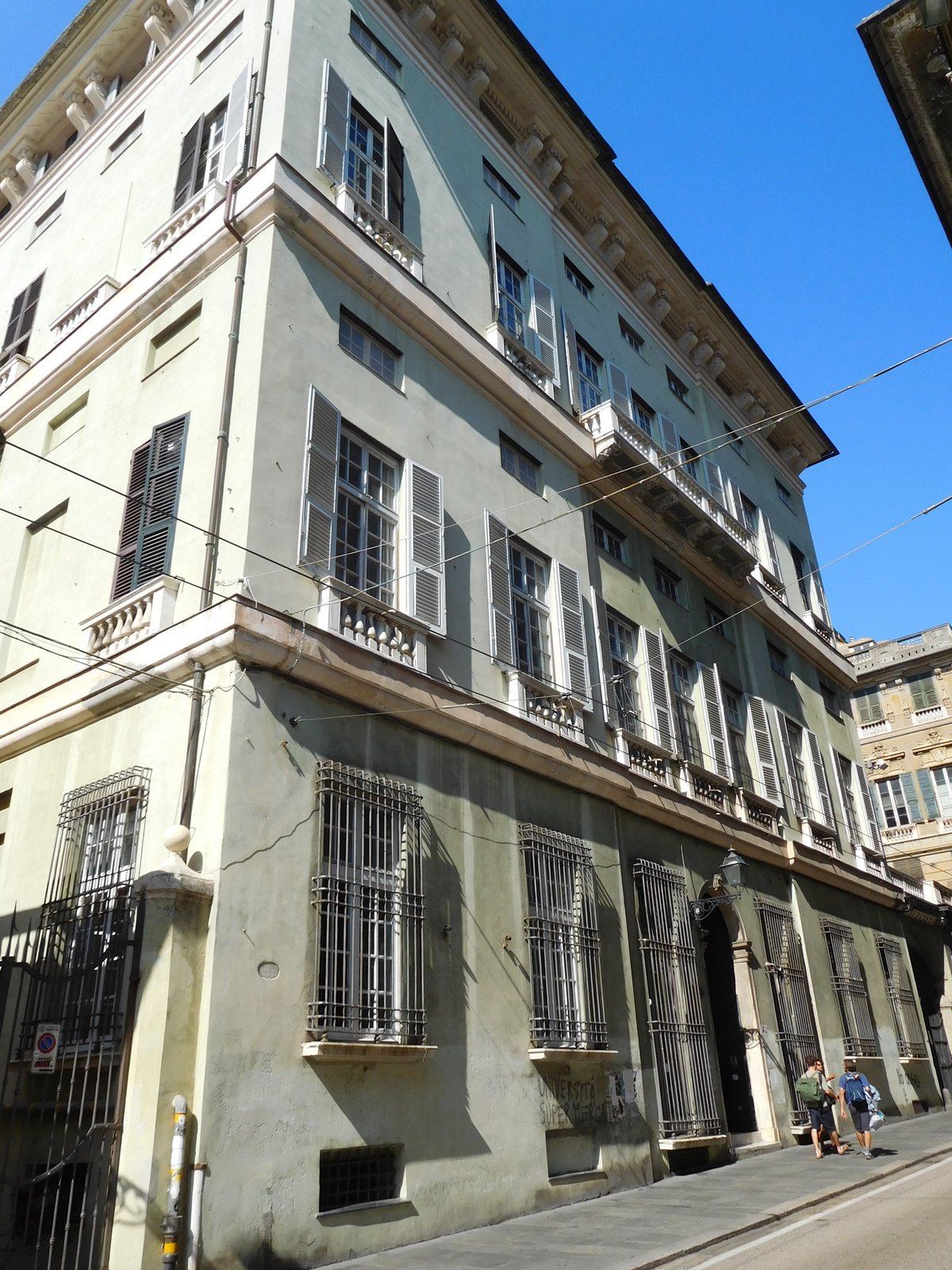

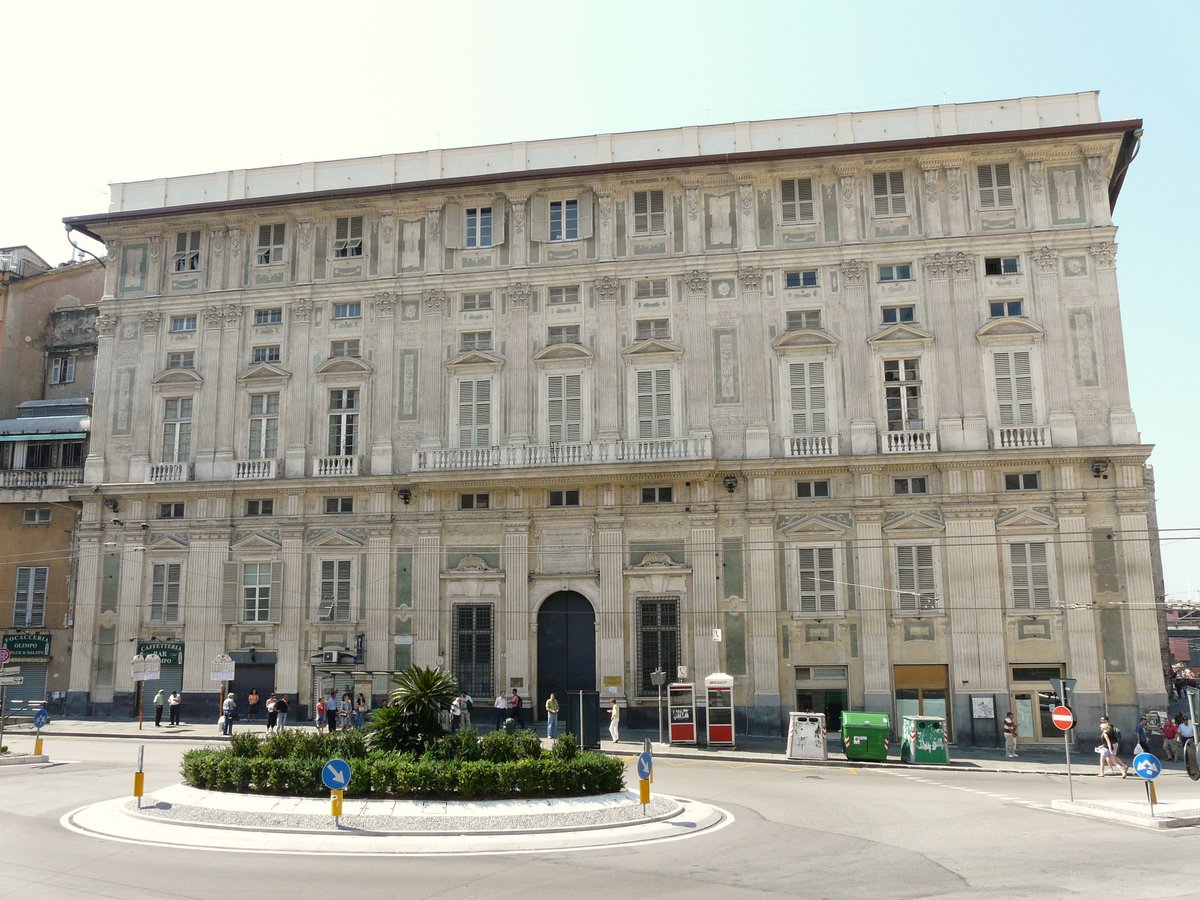
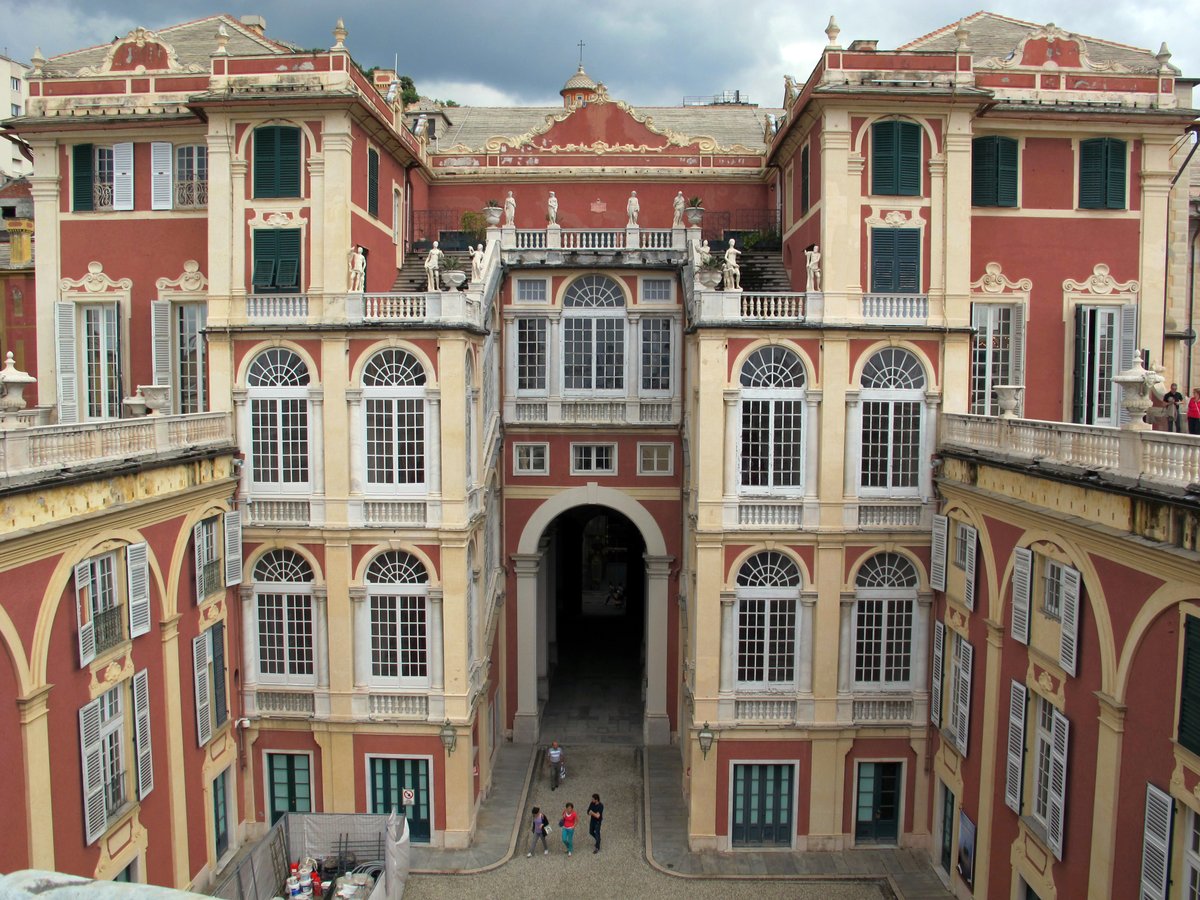
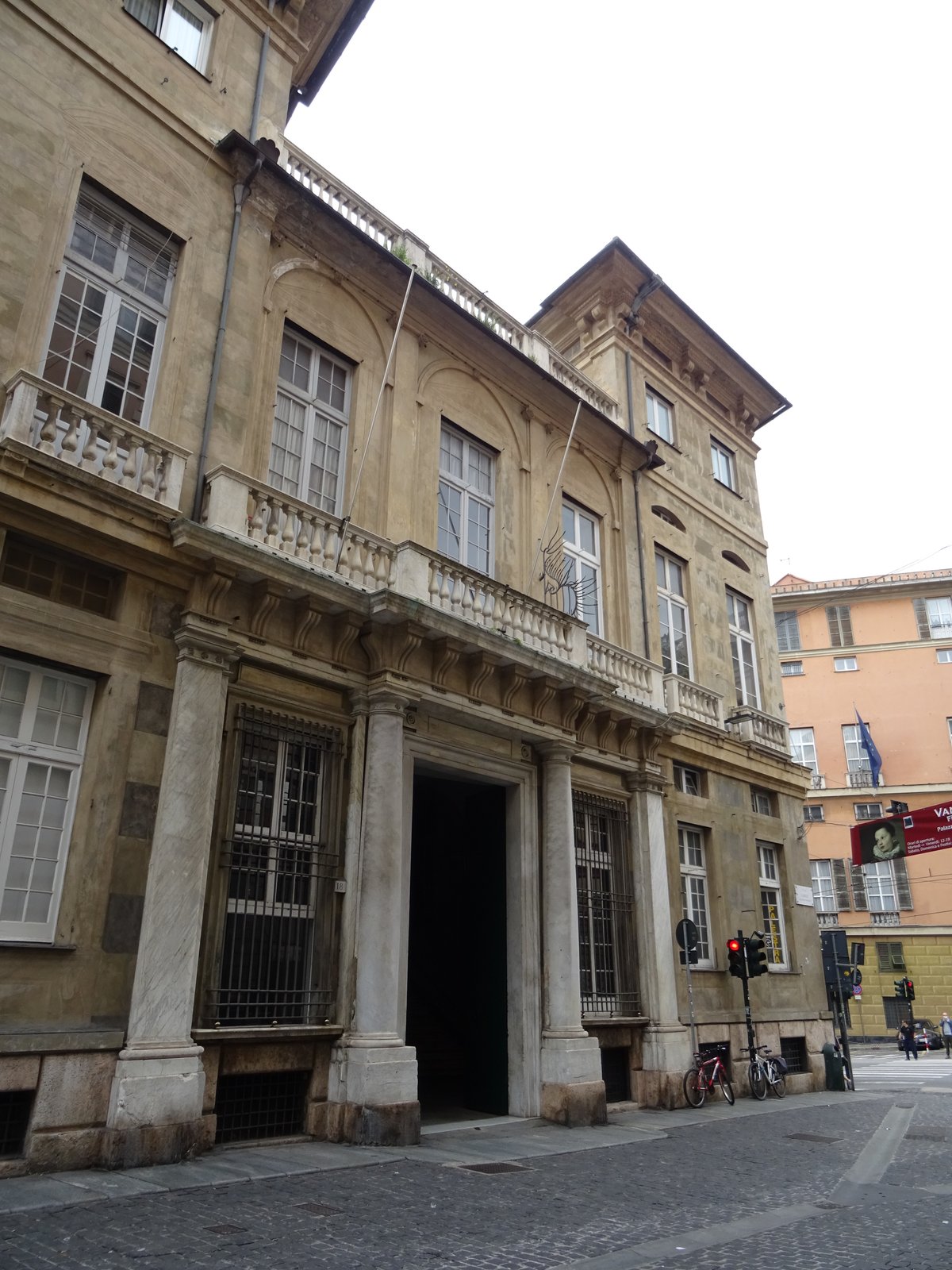
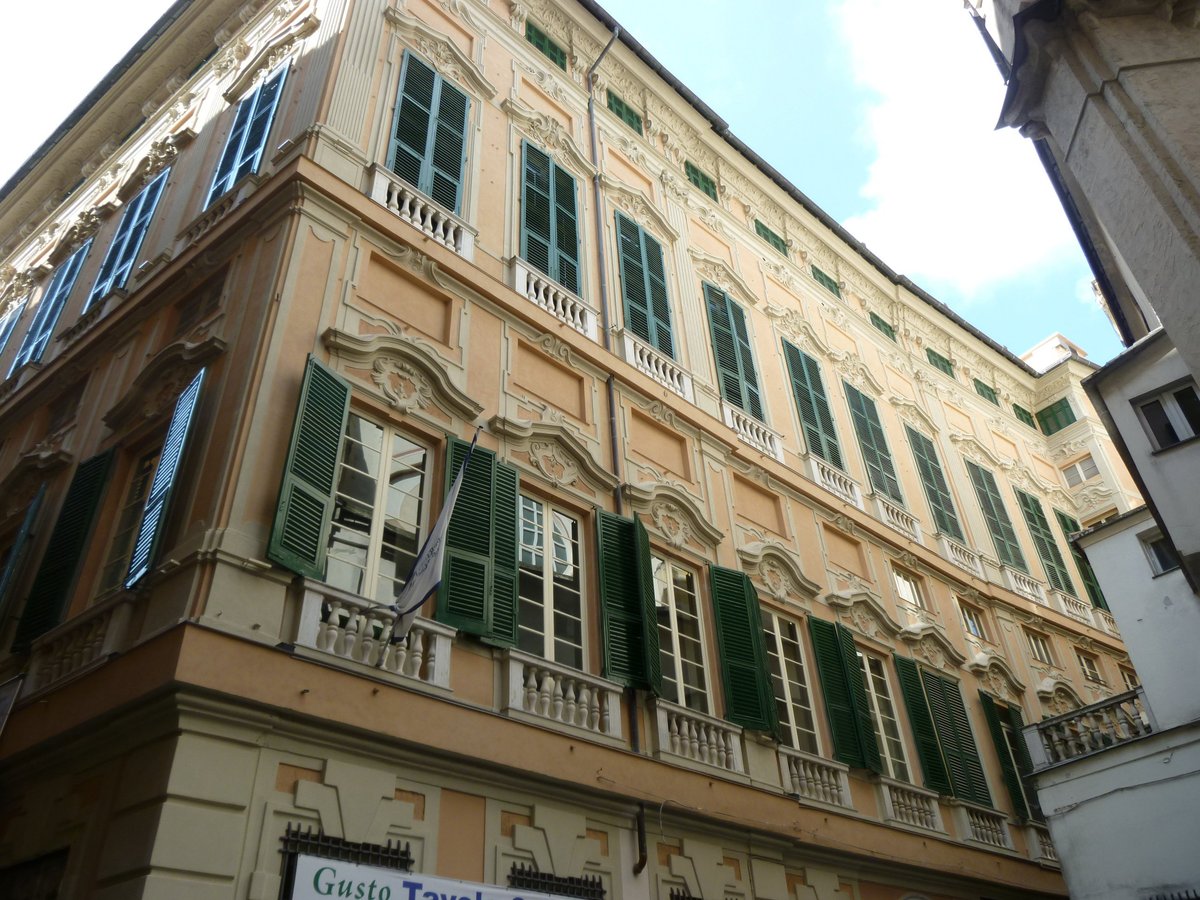
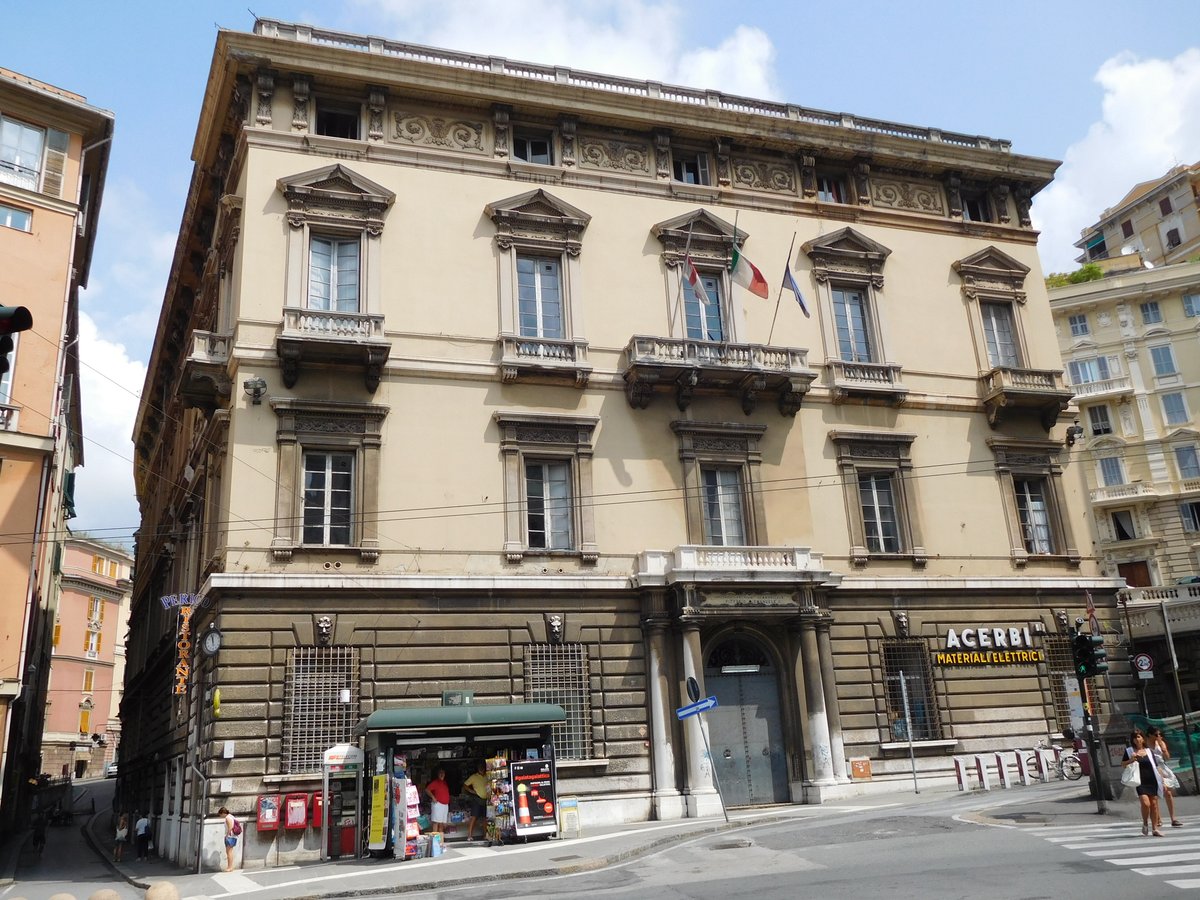
In the 1620s, the architect Bartolomeo Bianco designed the Palazzo Giacomo e Pantaleo Balbi to house two identical and distinct apartments for the brothers Giacomo and Pantaleo Balbi. Instead of building two houses side-by-side, Bianco superimposed the two apartments to utilize the entire surface of the small lot. The brothers shared a common entrance, a portico level, and a monumental staircase, while the internal arrangement modified the layout of the mezzanins, which were designated from the beginning to be rented out.
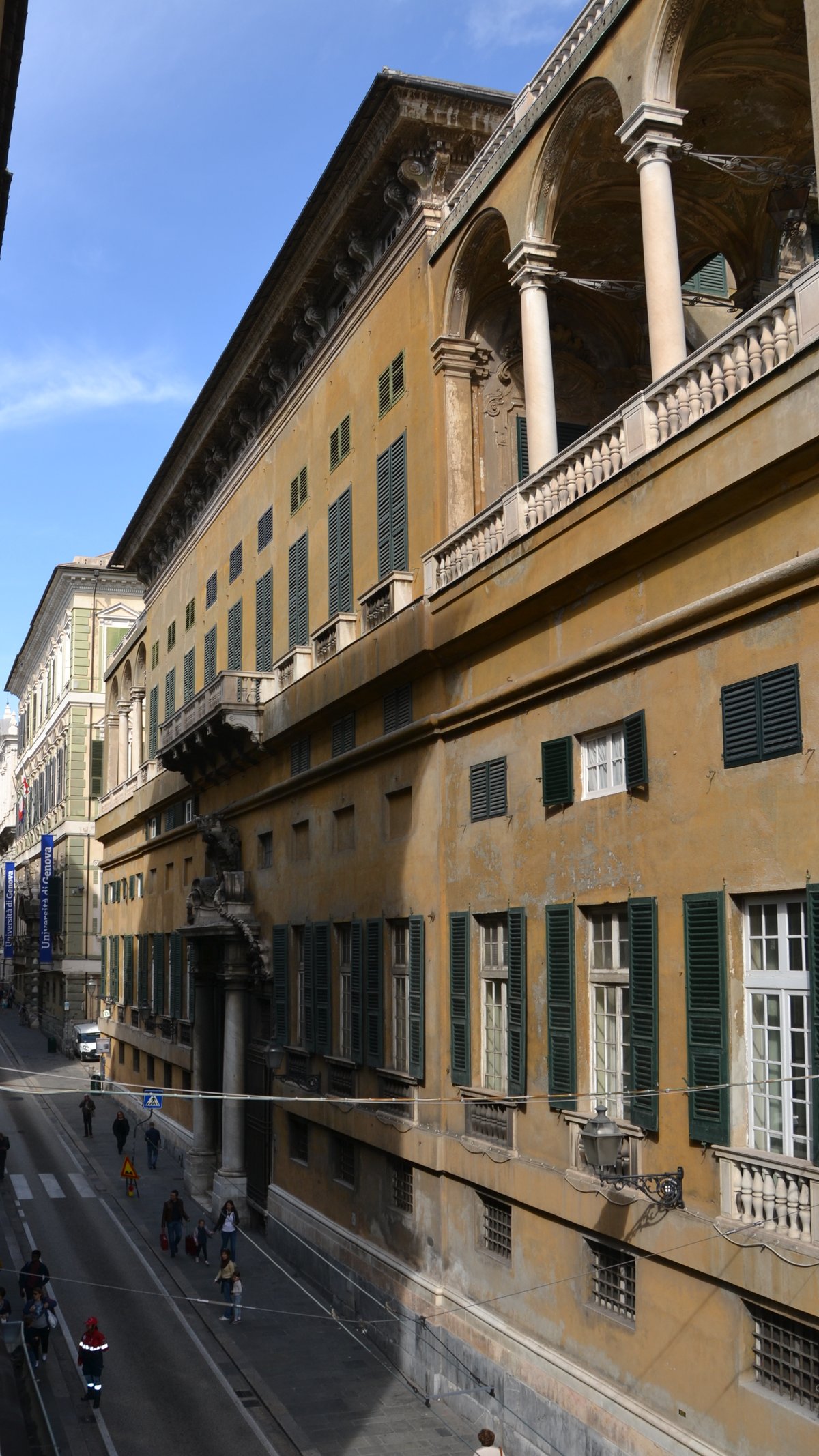
Between 1645 and 1665, the building was renovated by the architect Pietro Antonio Corradi for Francesco Maria Balbi. These renovations included an expansion of the garden to the south, featuring bright colonnades, and the addition of rooms to the upper floors. To create the garden, medieval buildings were demolished to make room for an Hortus Conclusus, an orange grove with regular beds and paved paths, and a fountain featuring a rich sculptural program in stucco by Gian Battista Barberini.
The palace is renowned for its vast cycle of frescoes, commissioned by Francesco Maria in the mid-1600s to exalt the family's wealth and glory through mythological narratives inspired by the Metamorphoses of Ovid. These works were executed by major Baroque artists such as Valerio Castello, Domenico Piola, Giovanni Andrea Carlone, and Gregorio De Ferrari, along with the Bolognese quadraturist Paolo Brozzi. While a great collection of art, including a work by Caravaggio, was once held here, the palace still preserves much of its famous decorative cycle.
Today, the historic building serves as a site for the humanities departments of the University of Genova. It remains one of the most important monuments of Genoese Baroque and is recognized as a UNESCO World Heritage site as part of the system of the Rolli.
Sources: Wikipedia, OpenStreetMap, Wikidata, Wikimedia Commons
Written by Nicolo Ciampini
Discuss this with the author and others
No comments yet. Be the first to start the conversation.