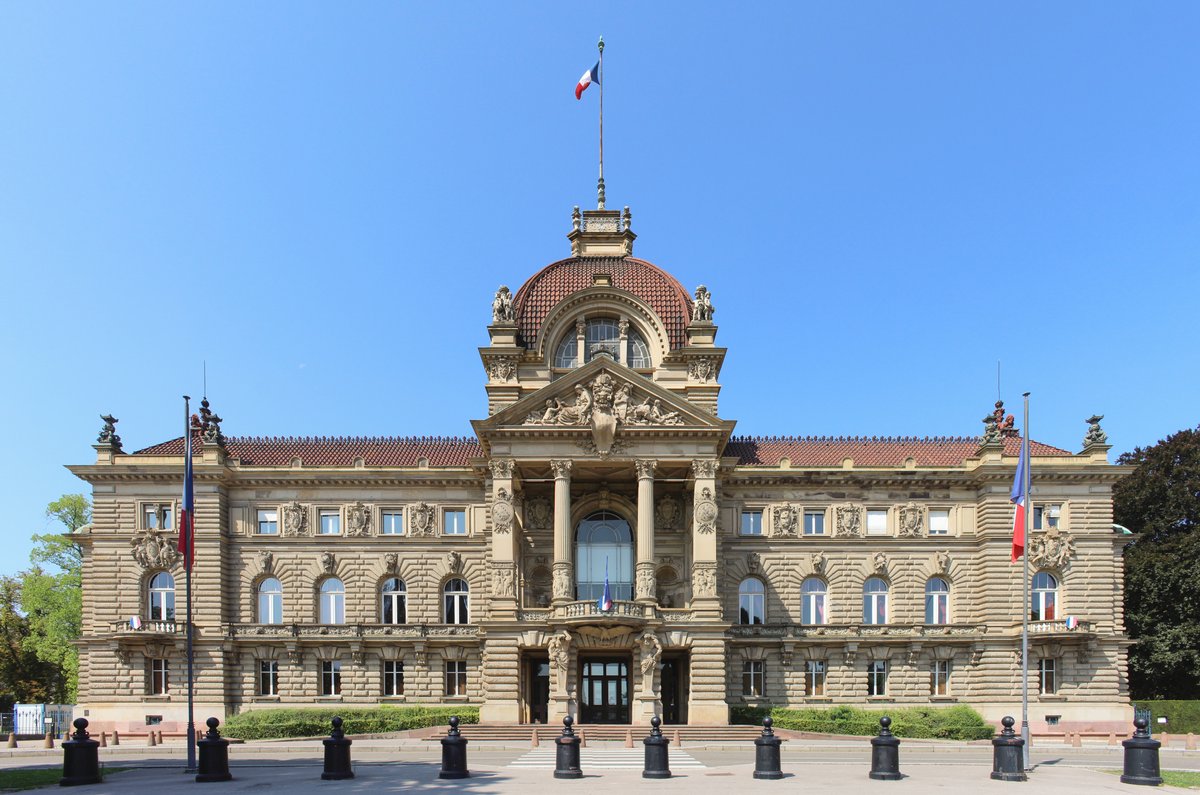

Strasbourg's Palais du Rhin, a grand structure, serves as a testament to the enduring spirit of the Rhine. Built in 1884, yet not completed until 1889, this architectural marvel was an homage to imperial power after the Franco-Prussian War of 1870-71. With design inspired by Florentine architecture, the brains behind the Palais were none other than Hermann Eggert. Originally conceived as the dwelling of an Emperor, the Palais hosted a dozen imperial visits until 1914.
But World War I redefined its purpose, turning it into a military hospital. With Strasbourg returning to France in 1920, the Palais took on a new role as the home of the Central Commission for Navigation on the Rhine. In 1923, the Palais was taken by the French state and today houses the Direction régionale des affaires culturelles (DRAC) of Grand Est. If walls could talk, this Palace would have a cacophony of tales to tell, as during the German occupation, it was the Kommandantur of the Nazis.
General Leclerc penned his proclamation within its halls during the German Occupation. However, in the 1970s, with the whisper of doom hanging over it, the Palais was spared demolition and classified as a monument historique. The last act in this building's ongoing saga took place in 2008, when it was used as a backdrop for the Paris Gestapo headquarters in a French TV min-series.
Sources: Wikipedia, OpenStreetMap, Wikidata, Wikimedia Commons
Written by Nicolo Ciampini
Discuss this with the author and others
No comments yet. Be the first to start the conversation.