
Kvarteret Bacchus is a block in Gamla stan, Stockholm, bounded by Österlånggatan, Brunnsgränd, Skeppsbron, and Skottgränd. The area was developed after the eastern city wall was demolished in the 1640s. The quarter was formed in 1729 and originally had 15 properties. Today, the quarter consists of five properties: Bacchus 1, 3, 4, 5, and 6. The name Bacchus refers to the god of wine in Roman mythology.
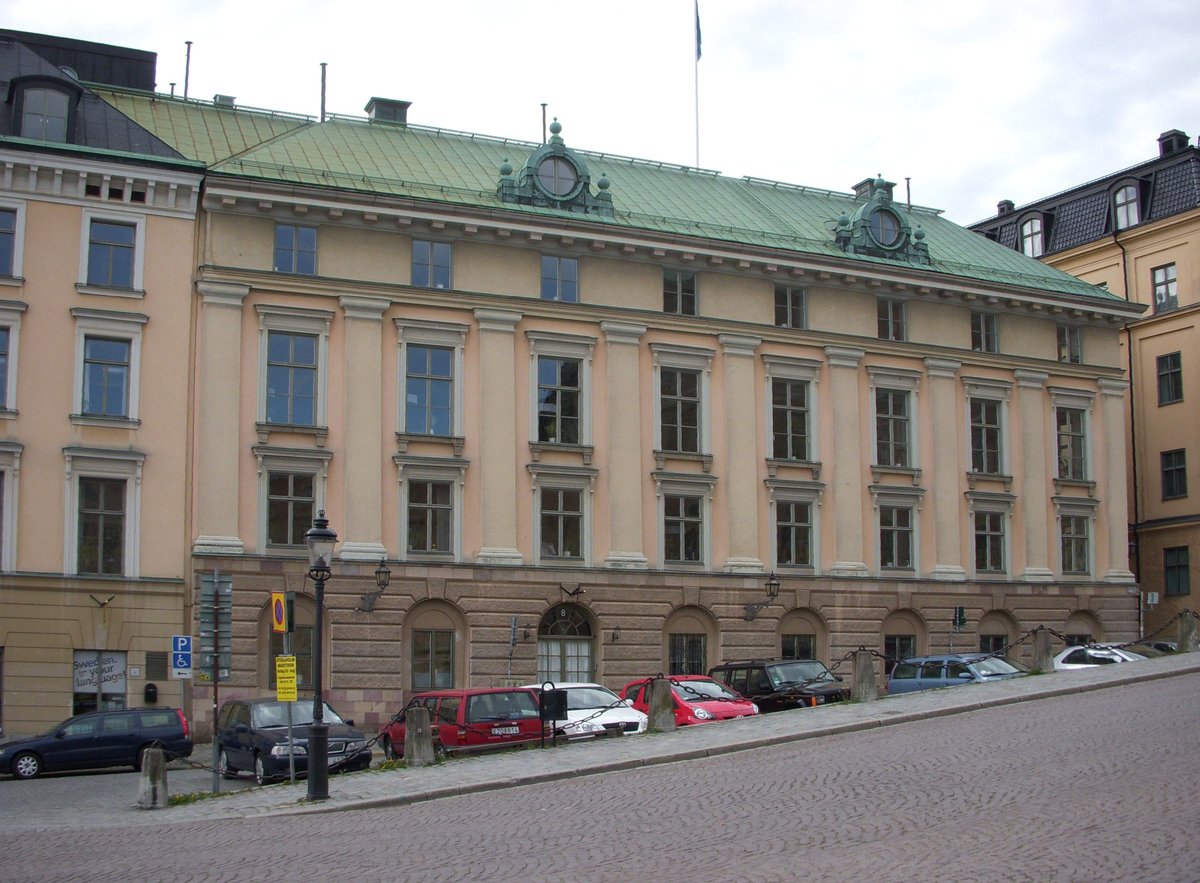
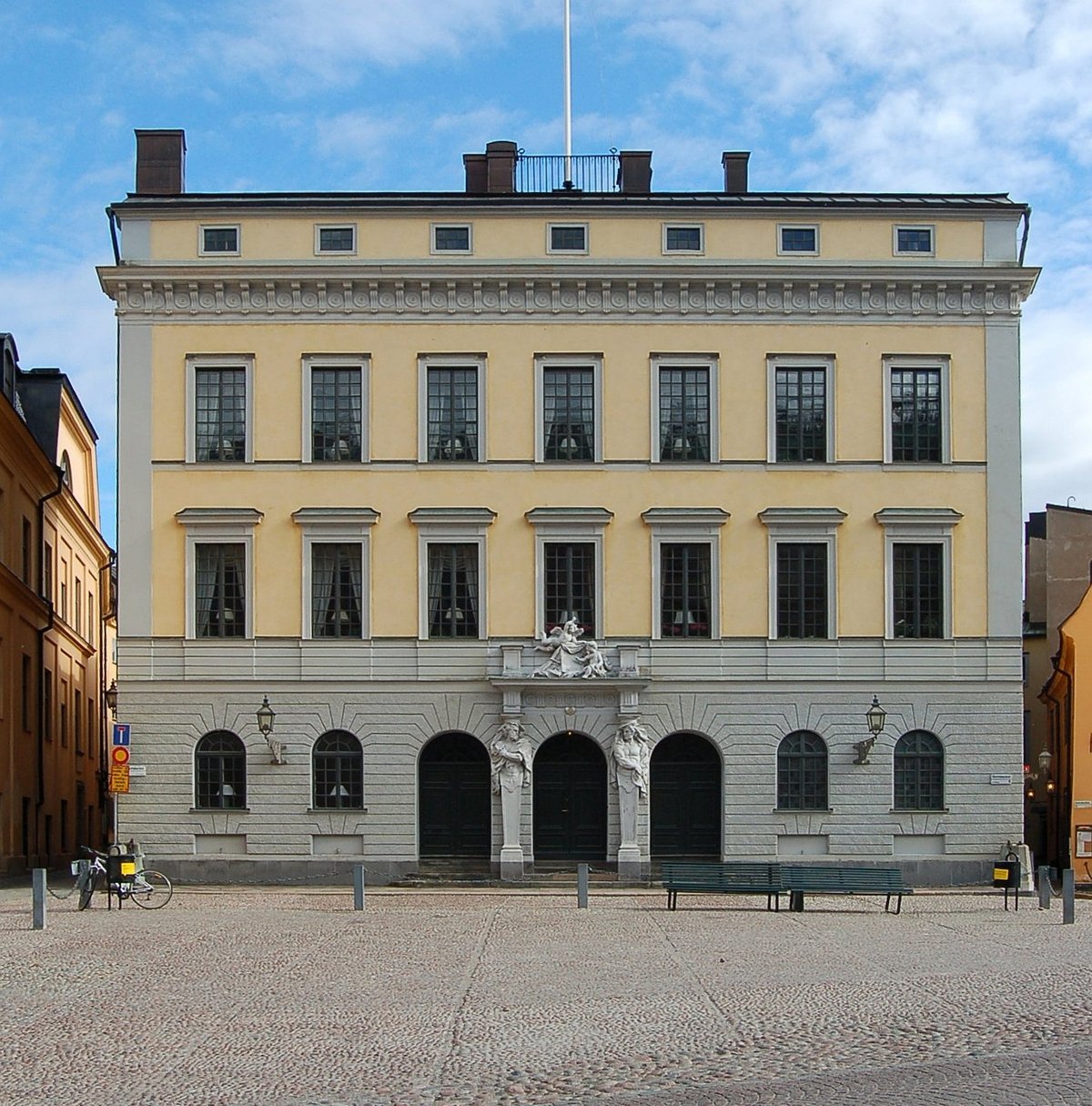
Bacchus 1 is the largest property in the quarter, occupying the eastern half toward Skeppsbron. The first house, built in the late 1600s, was designed by Nicodemus Tessin den äldre as his own residence and was known as Tessinska huset. The Tottie merchant family owned the property in the 1770s and later, and the Lotskontoret had offices there in the 1880s. In 1901, the building was demolished to make way for Brandstodsbolagets hus, designed by Isak Gustav Clason. Today, the building is owned by Vasakronan and houses the Filippinernas ambassad and the Rumänska kulturinstitutet.
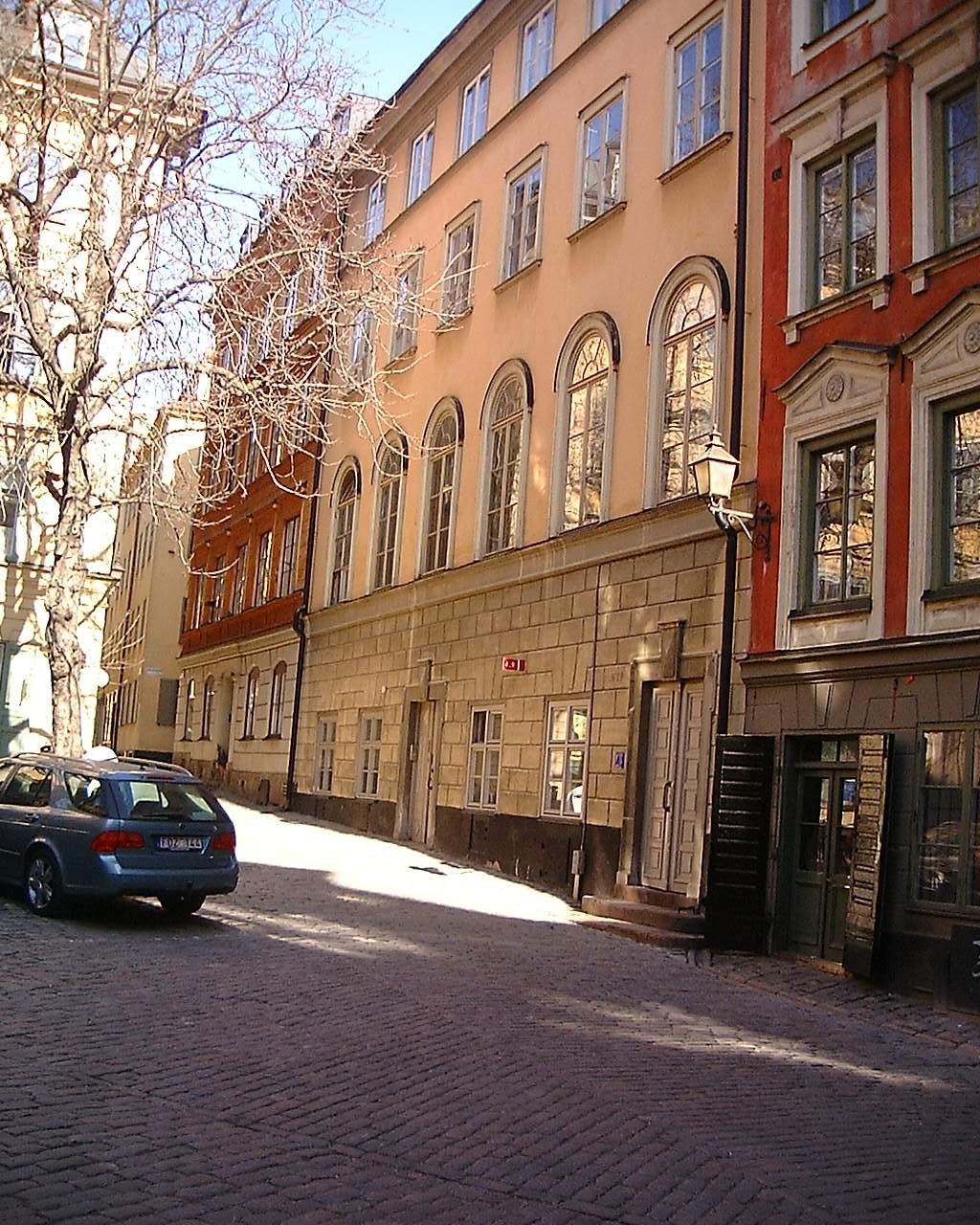
Bacchus 5 spans the entire width of the quarter. From the late 1700s and well into the 1800s, Källaren Riga was located here. The facade was altered in 1876 and received its current appearance. A sailmaker moved into the ground floor and first floor around 1917, continuing operations until 1977. Today, the ground floor houses a shop for Fartygsmagasinet, which maintains the tradition of activities and objects related to old ships.
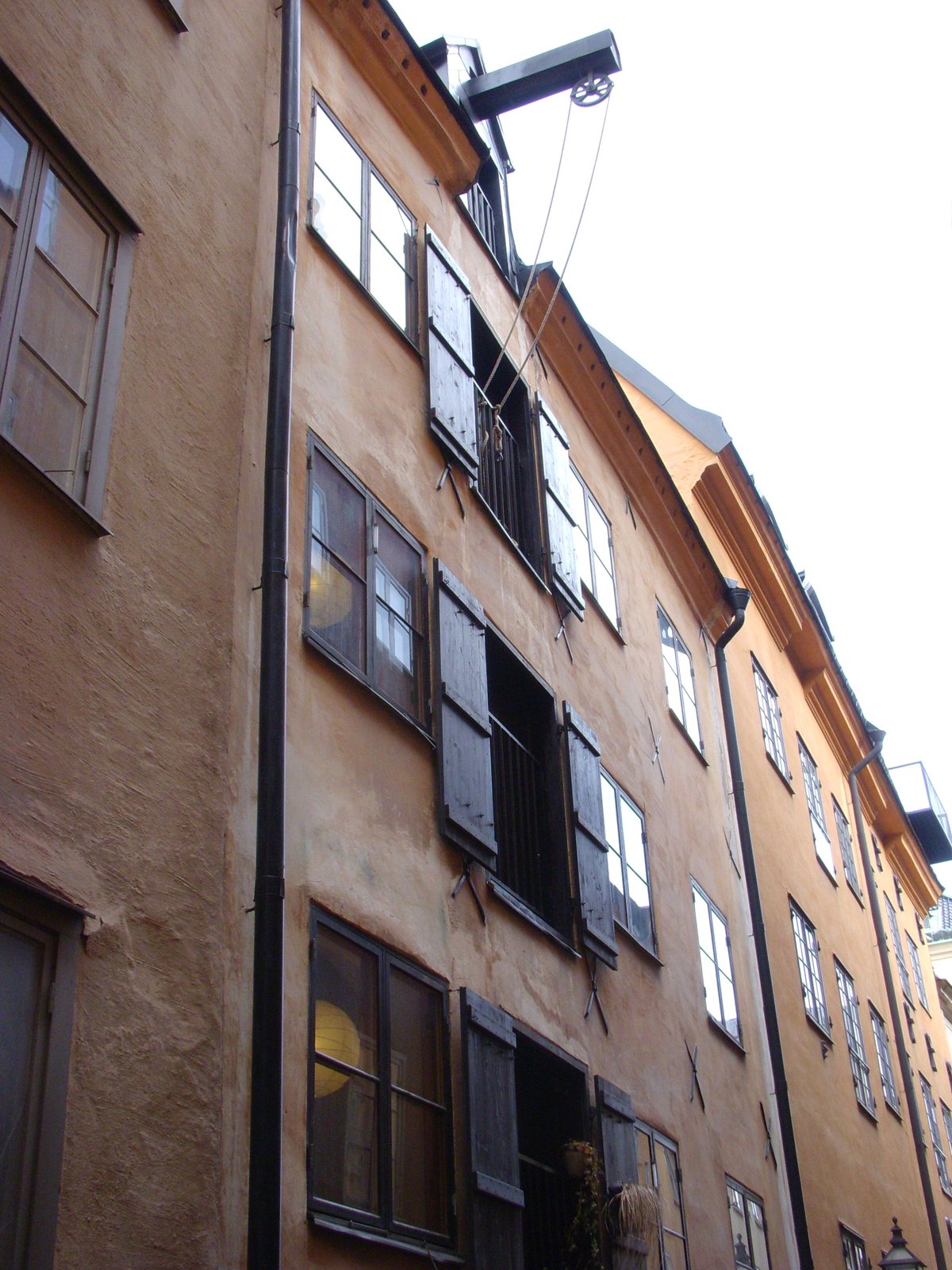
Bacchus 6 is a magazine building located at Skottgränd 6, consisting of four floors and an attic. Built in 1818, it has a traditional design reminiscent of older magazines. The building retains its original hoisting device and has a loading bay for every floor. It is a state-protected building and is one of the few remaining magazines in the alleys behind the Skeppsbrons trading houses.
Sources: Wikipedia, OpenStreetMap, Wikidata, Wikimedia Commons




Written by Nik Frost
Discuss this with the author and others
No comments yet. Be the first to start the conversation.