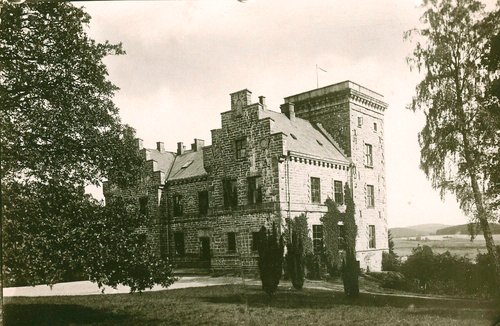

We begin our journey in the late 1300s, where Hjuleberg is identified through the ownership of Katarina, the daughter of Marsk Erik Kettilsson. Her descendants included the renowned and powerful Axelsson brothers, also known as Tott. One of these brothers, Åke Axelsson (Tott), eventually became the sole owner of Hjuleberg.
For centuries, the manor served as a primary seat of dynastic power. The Thott family maintained control until 1632, when the property transitioned to the Lilliehöök family. From 1658 until 1927, the estate held patronatus rights over the parish of Abild, marking its role in the parish for over two hundred years.
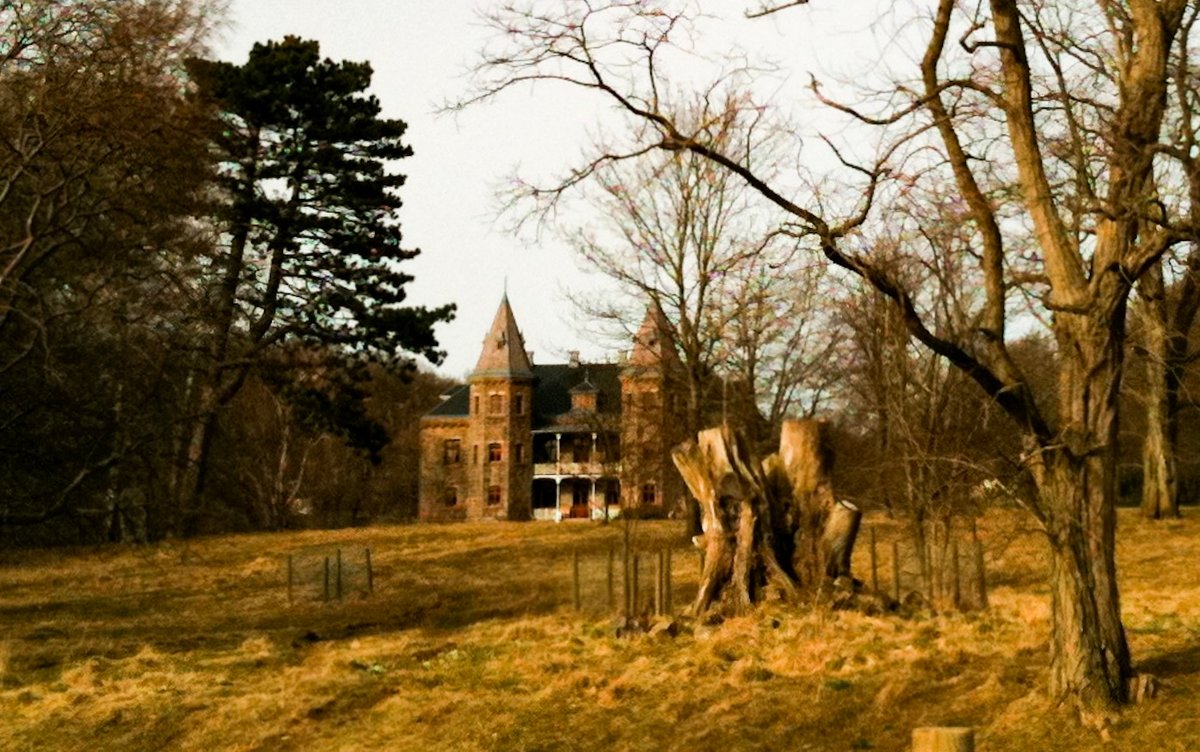
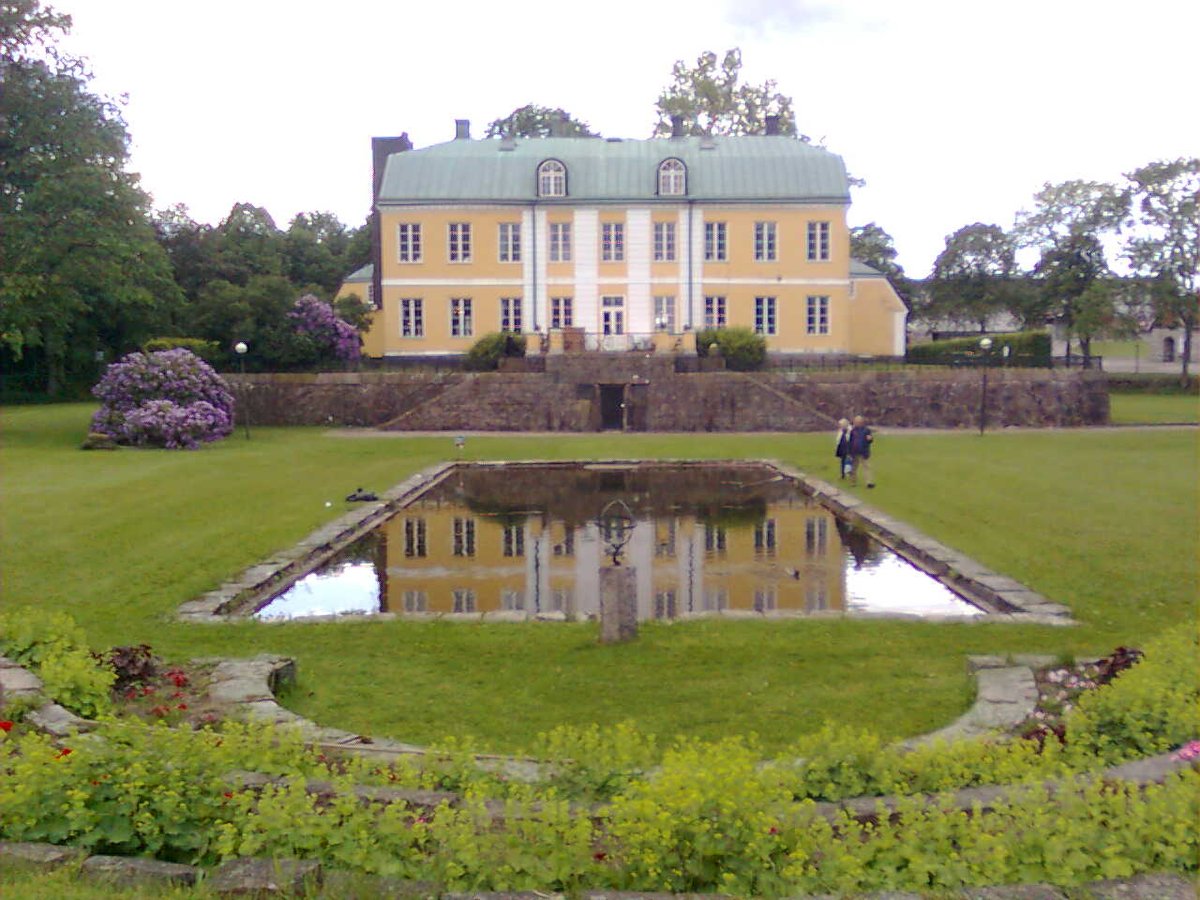
We must look closer at the current main building to see how influence shifted during the second half of the 1800s. Following a fire in 1873 that destroyed the old corps de logiet, the shipping magnate Rudolf Puggaard sought a new architectural vision. He commissioned the architecture student Thorvald Bindesbøll to design a new building, which was completed in 1878 in a castle-like style.
This manor invites us to examine the profound ways 19th-century wealth could reinvent medieval landscapes. It stands as a tangible testament to a period where the past was reimagined into a romanticized reality.
Sources: Wikipedia, OpenStreetMap, Wikidata, Wikimedia Commons

Written by Nik Frost
Discuss this with the author and others
No comments yet. Be the first to start the conversation.