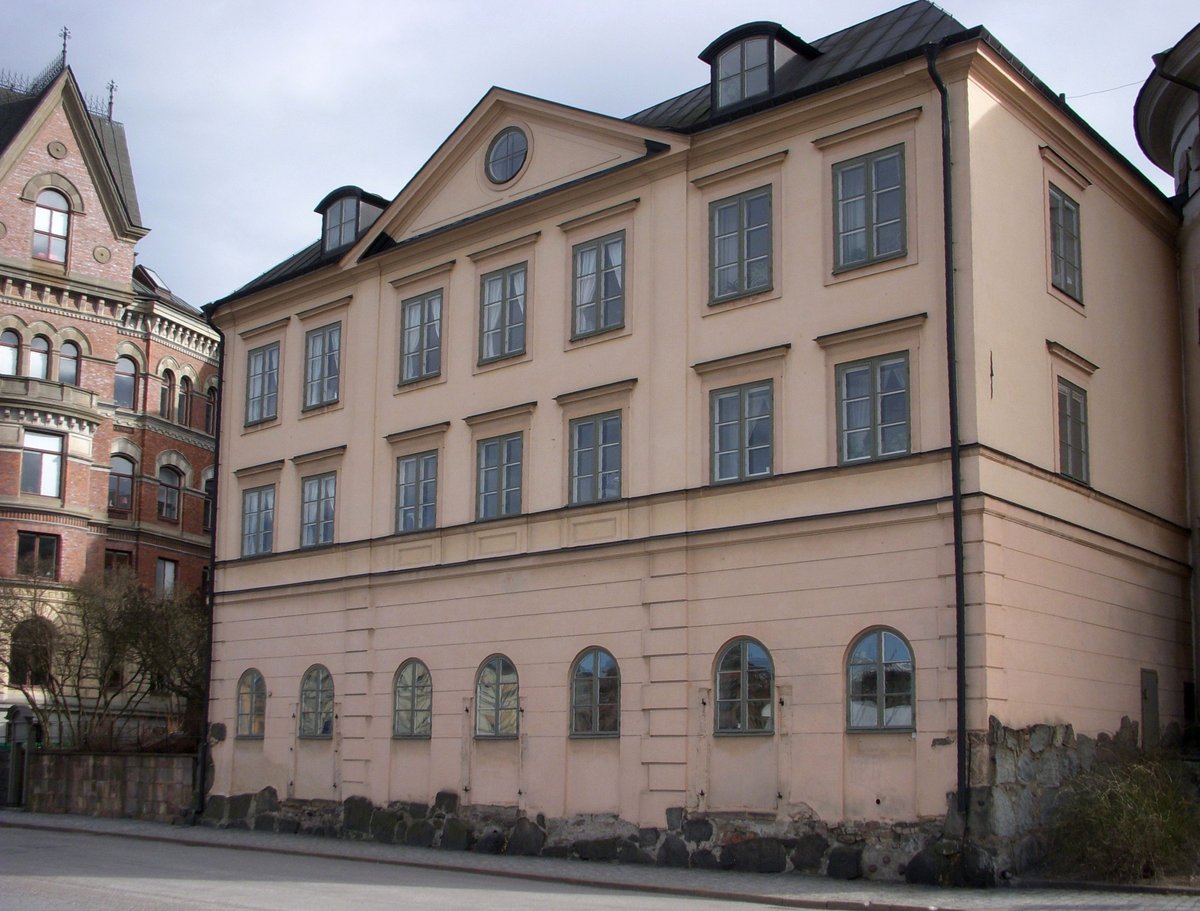

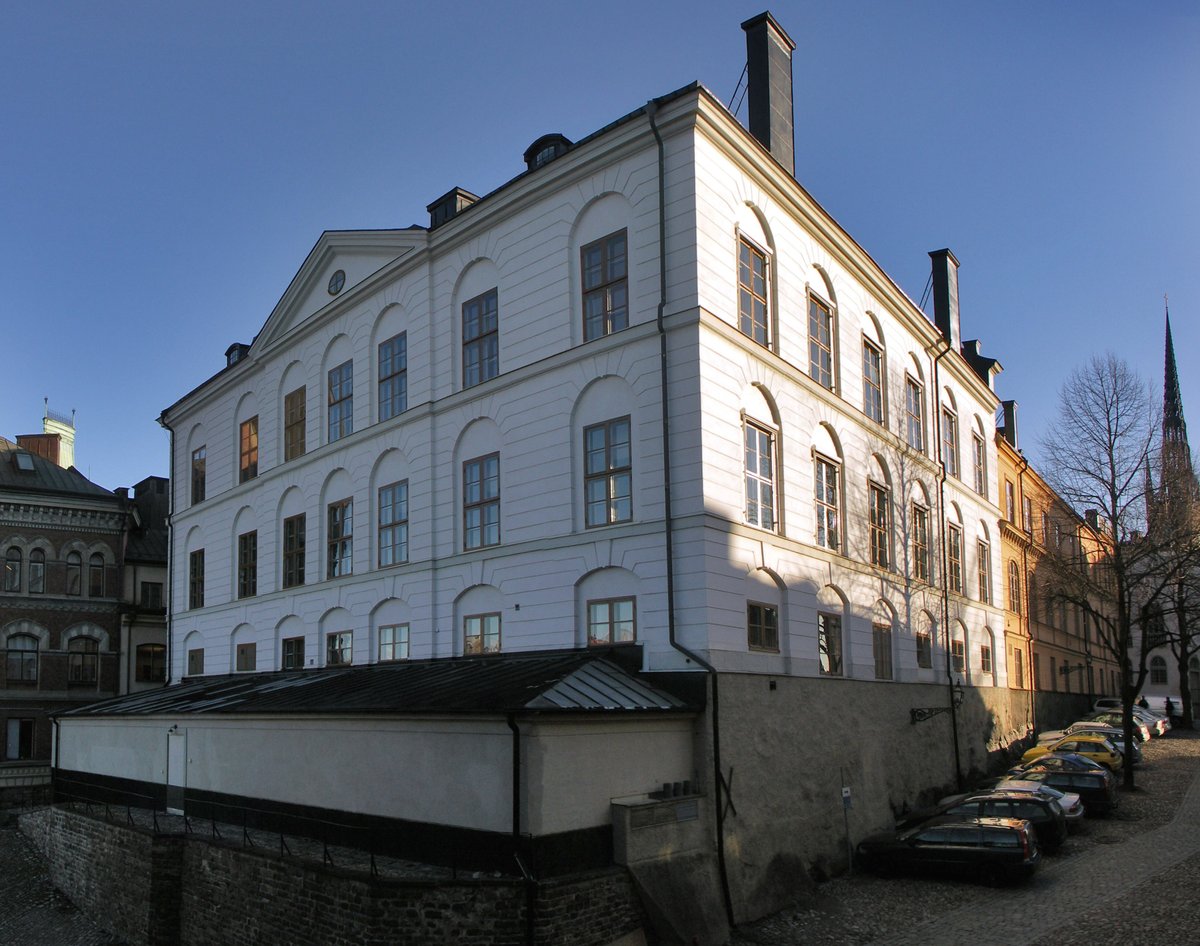
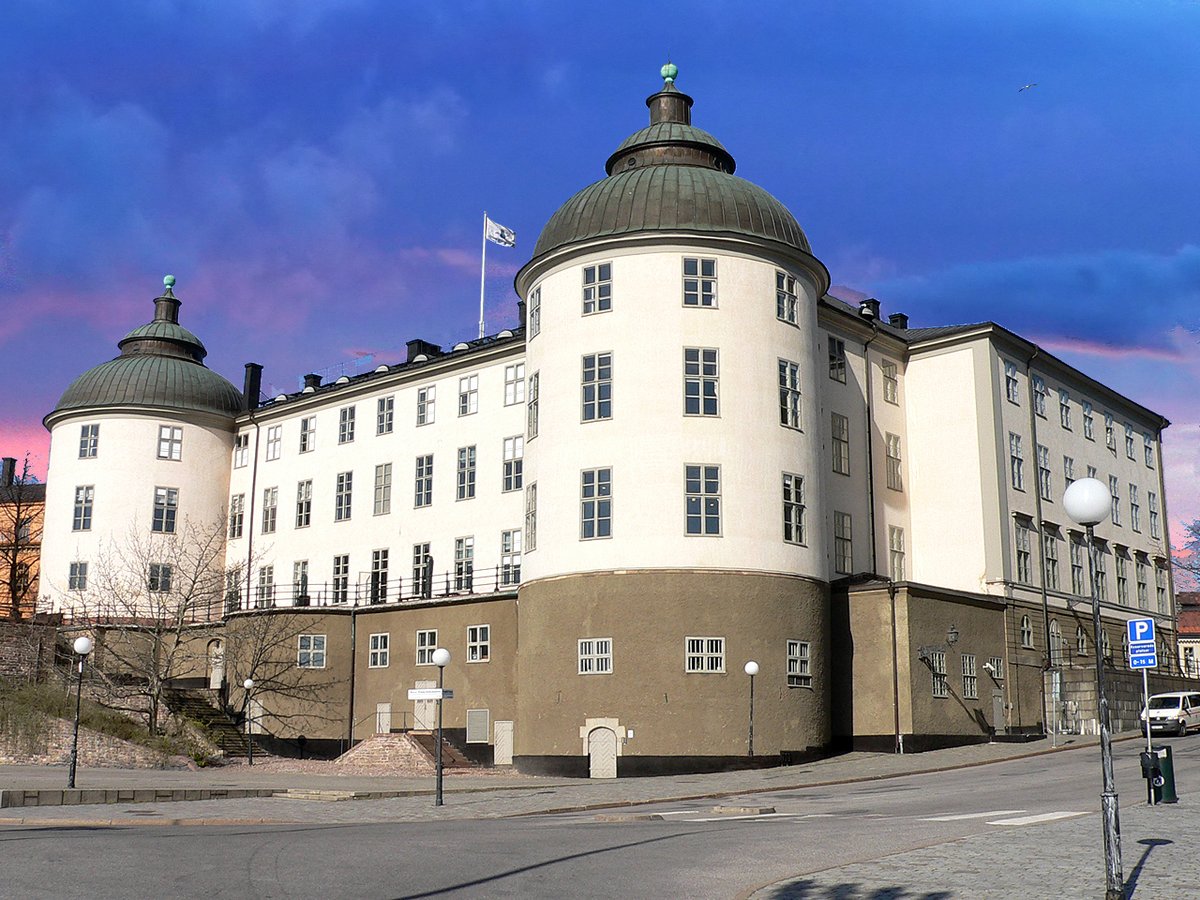
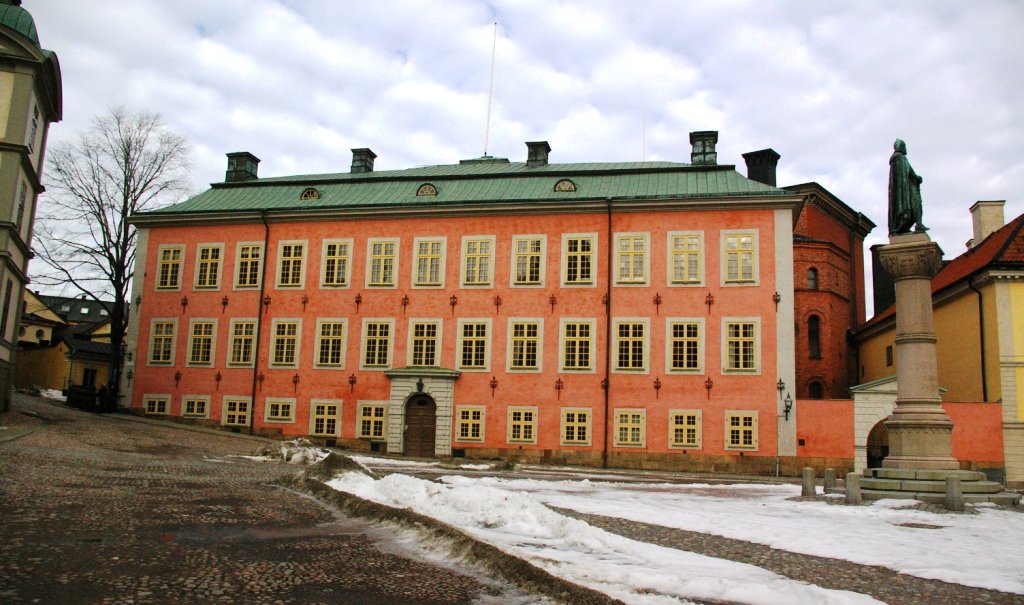
The title Överkommissariens hus speaks to a specific bureaucratic position rather than a tribute to a single person. We find its origins in the 1750s, when the merchant Berge Olofson Ström commissioned the architect Carl Hårleman to design his estate on Riddarholmen. While Ström is also remembered for the nearby Strömsborg, this particular structure began a long journey of public service.
The crown acquired the property to house the Generalassistanskontoret, a mortgage office. During this time, the head official held the title of överkommissarie, a role that forever linked his office to the building's identity. It remained a hub of mortgage activity until the late 1800s, at which point the house provided space for the archives of the Drätselnämnd.
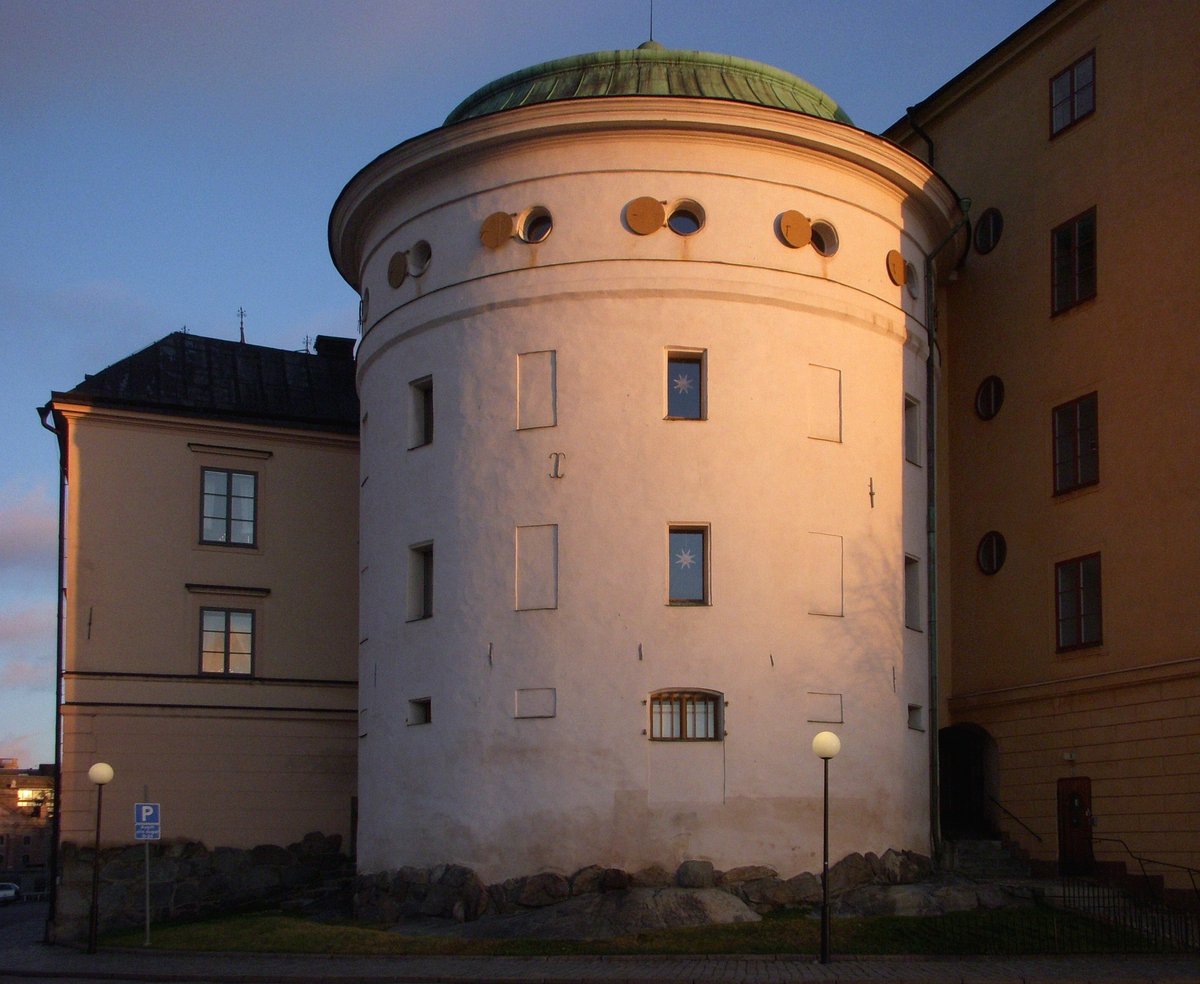
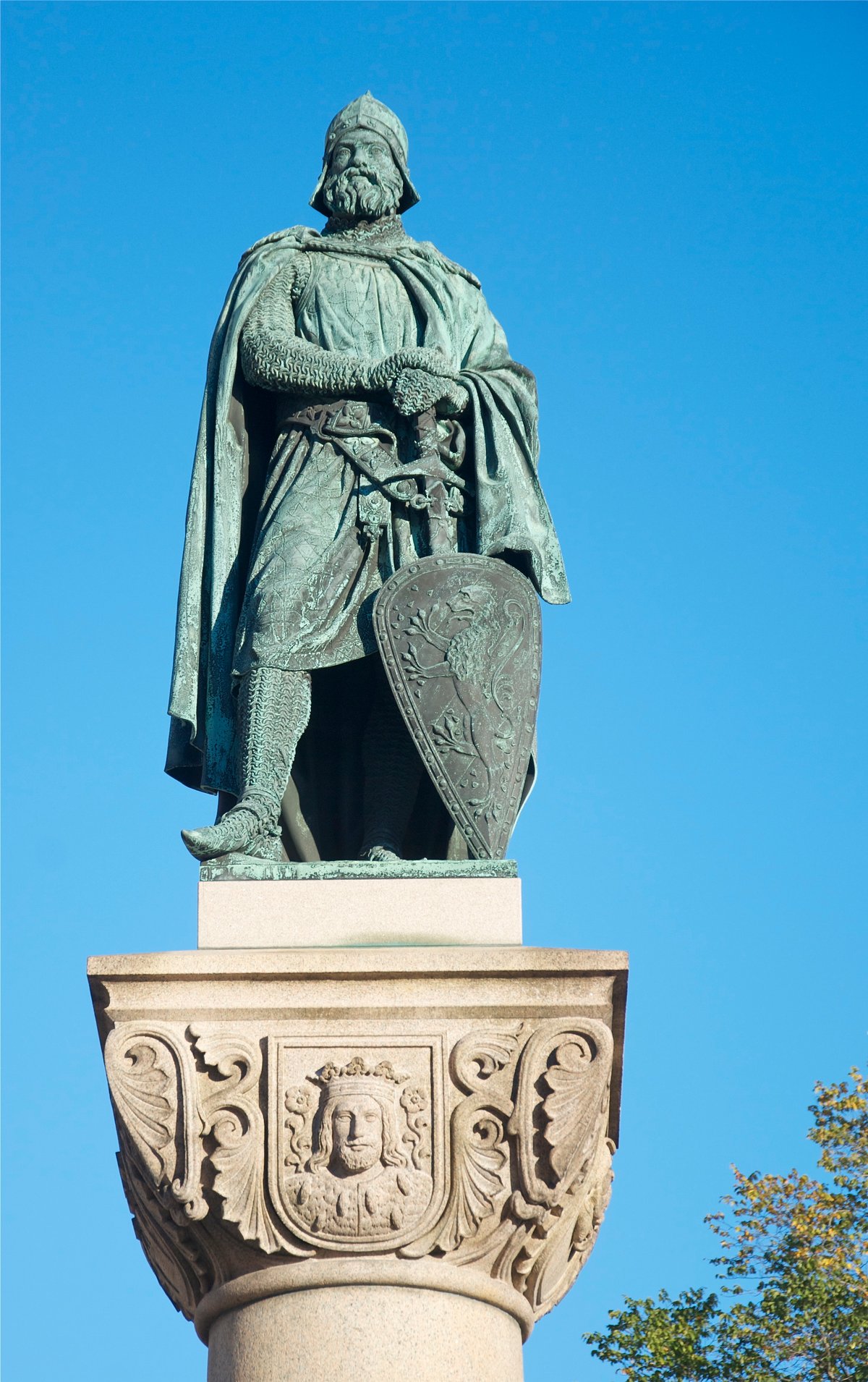
These records eventually merged with the Rådhusarkivet to become the city's archive. The archive remained on Riddarholmen until 1943, when it moved to Kungsholmen. In 1949, the state became the owner of the house again. From 1950 to 1954, a large renovation was carried out for Kammarkollegiet, during which the connection to Birger jarls torn was walled up.
Today, the building continues its legacy of administrative authority as the office for the Justitiekanslern. It stands as a testament to enduring functionality. Each layer of its past invites us to explore how a private merchant's home became a permanent pillar of the city's governing heart.
Sources: Wikipedia, OpenStreetMap, Wikidata, Wikimedia Commons


Written by Nik Frost
Discuss this with the author and others
No comments yet. Be the first to start the conversation.