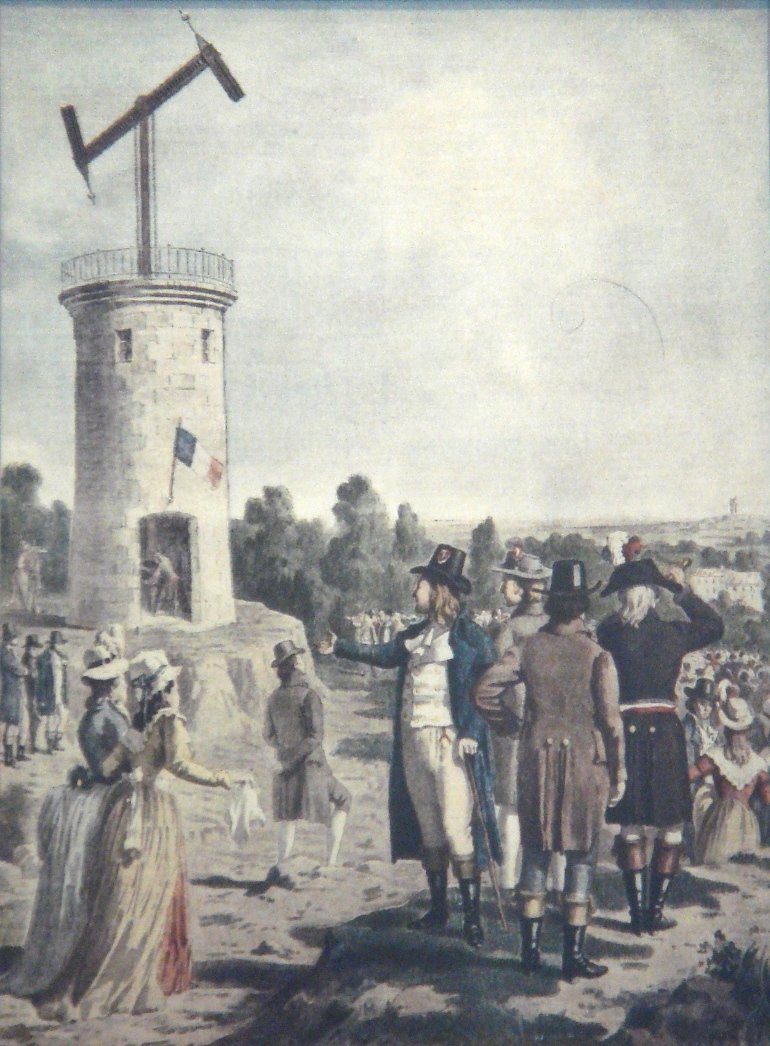

Imagine a world where messages traversed the landscape in mere minutes. During the late eighteenth century, optical telegraph systems provided a dependable way for governments to gather intelligence and distribute orders far faster than any horse could travel. These systems relied on a series of relay towers built within each other's line of sight, allowing operators to convey textual information through visual signals.
The most widely used of these systems was the Chappe telegraph, invented in France in 1792 by Claude Chappe. It featured semaphore rigs at the top of towers with pivoted indicator arms. Operators at each station would watch the neighboring tower through a telescope, passing along messages as the arms moved to spell out codes. This system was much faster than post riders and had cheaper long-term operating costs once the infrastructure was constructed.
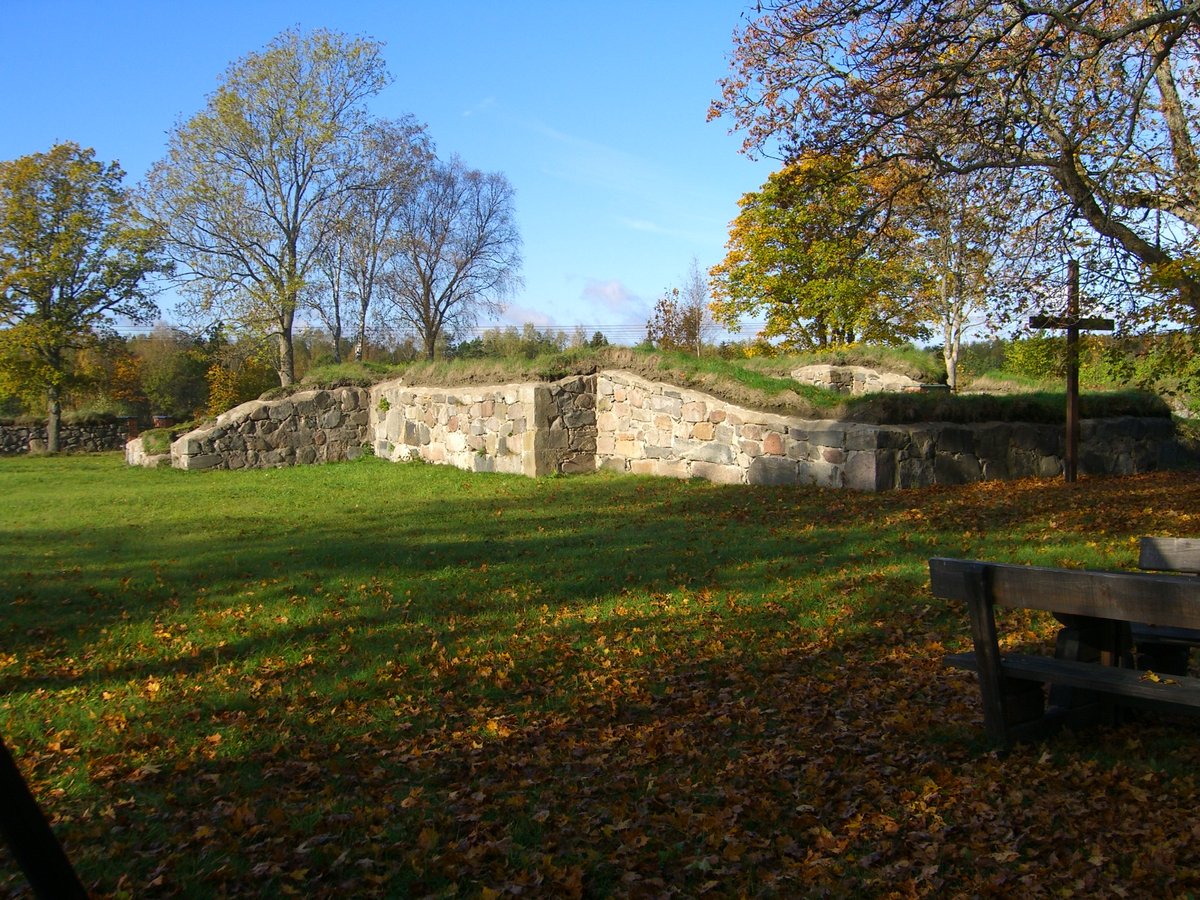
Earlier experiments with visual signaling were conducted by figures such as Robert Hooke in 1684 and Sir Richard Lovell Edgeworth in 1767. Edgeworth's design used a large pointer that could be placed into eight possible positions. While these optical systems were eventually replaced by the electrical telegraph - which was faster, cheaper, and more private - they represented a major leap in communication. This reconstructed station invites us to explore how human ingenuity transformed visual signals into a national network.
Sources: Wikipedia, OpenStreetMap, Wikidata, Wikimedia Commons







Written by Nik Frost
Discuss this with the author and others
No comments yet. Be the first to start the conversation.