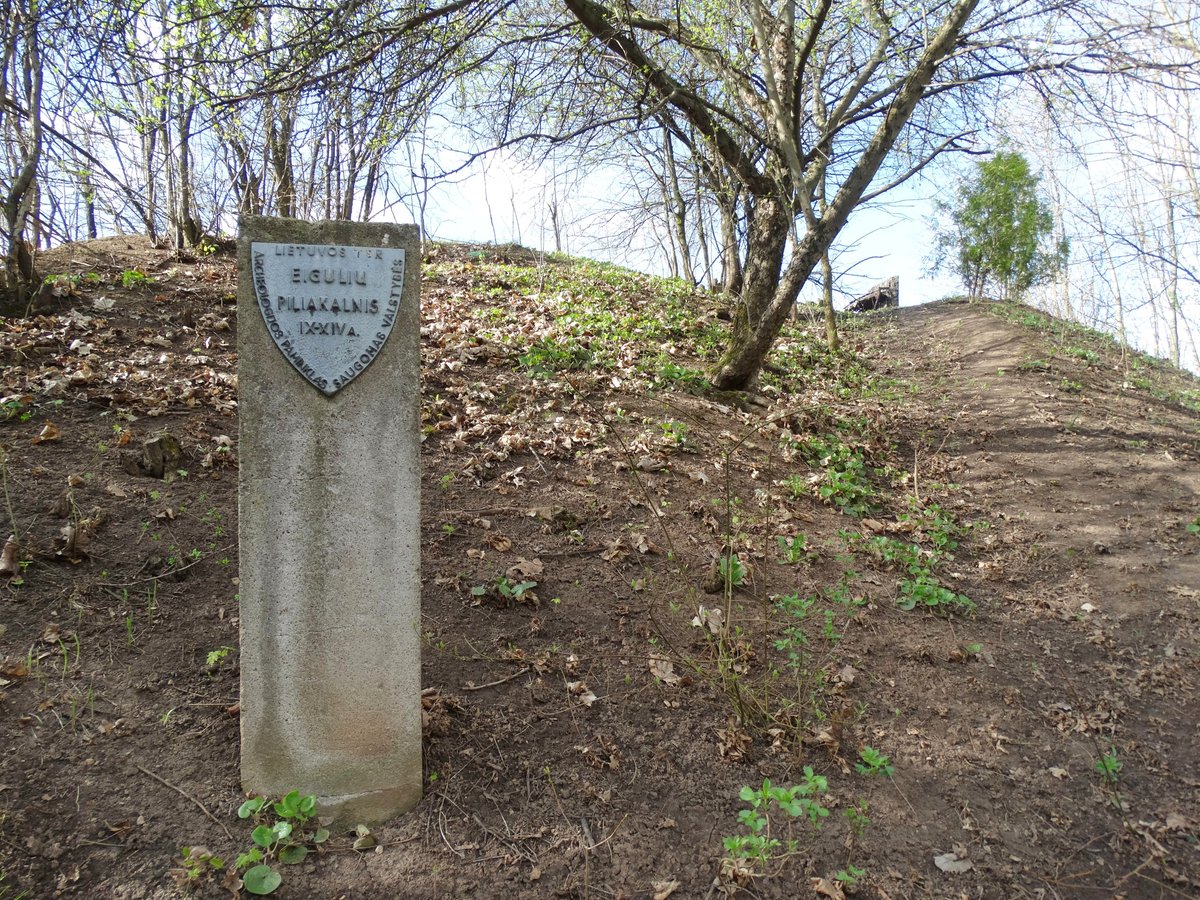

Imagine standing in a 70 by 60 metre enclosure and hearing the echoes of a medieval counter-attack. In 1382, the castle at Eigulių was reportedly burned to the ground during a strike by the Teutonic Order. The ground here holds a long memory of people trying to survive, with artifacts ranging from medieval iron crossbow bolts to amber beads from ancient graves.
Before the medieval period, Neolithic people were already living on the nearby terrace. They left behind fire pits, flint blades, and pottery. Archaeologists found traces of these people in the lower layers of the settlement, including stone tools and items from the Pamaryi culture.
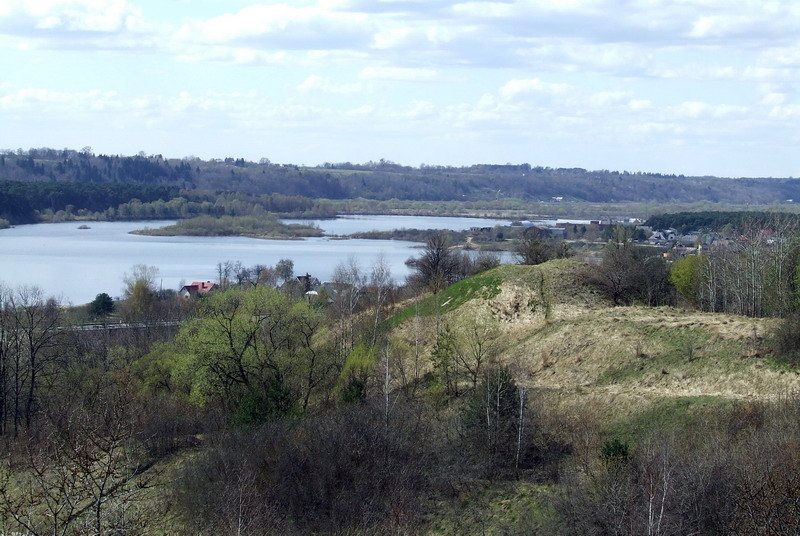
If you look closely at the southern part of the hillfort, you can find the remains of bunkers. These are newer additions, carved out during the First World War and later years. They face the river, designed to defend against attacks from the west.
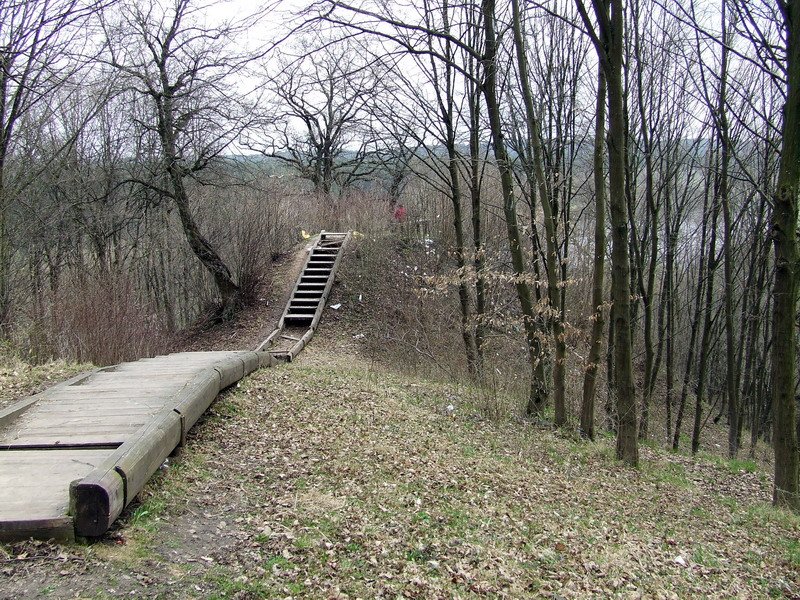
Today, you can still see the 5 to 6 metre high embankment at the eastern end of the site. The area remains a significant archaeological complex, containing everything from a hillfort and a cemetery to a Neolithic settlement.
Sources: Wikipedia, OpenStreetMap, Wikidata, Wikimedia Commons


Written by Nicolo Ciampini
Discuss this with the author and others
No comments yet. Be the first to start the conversation.