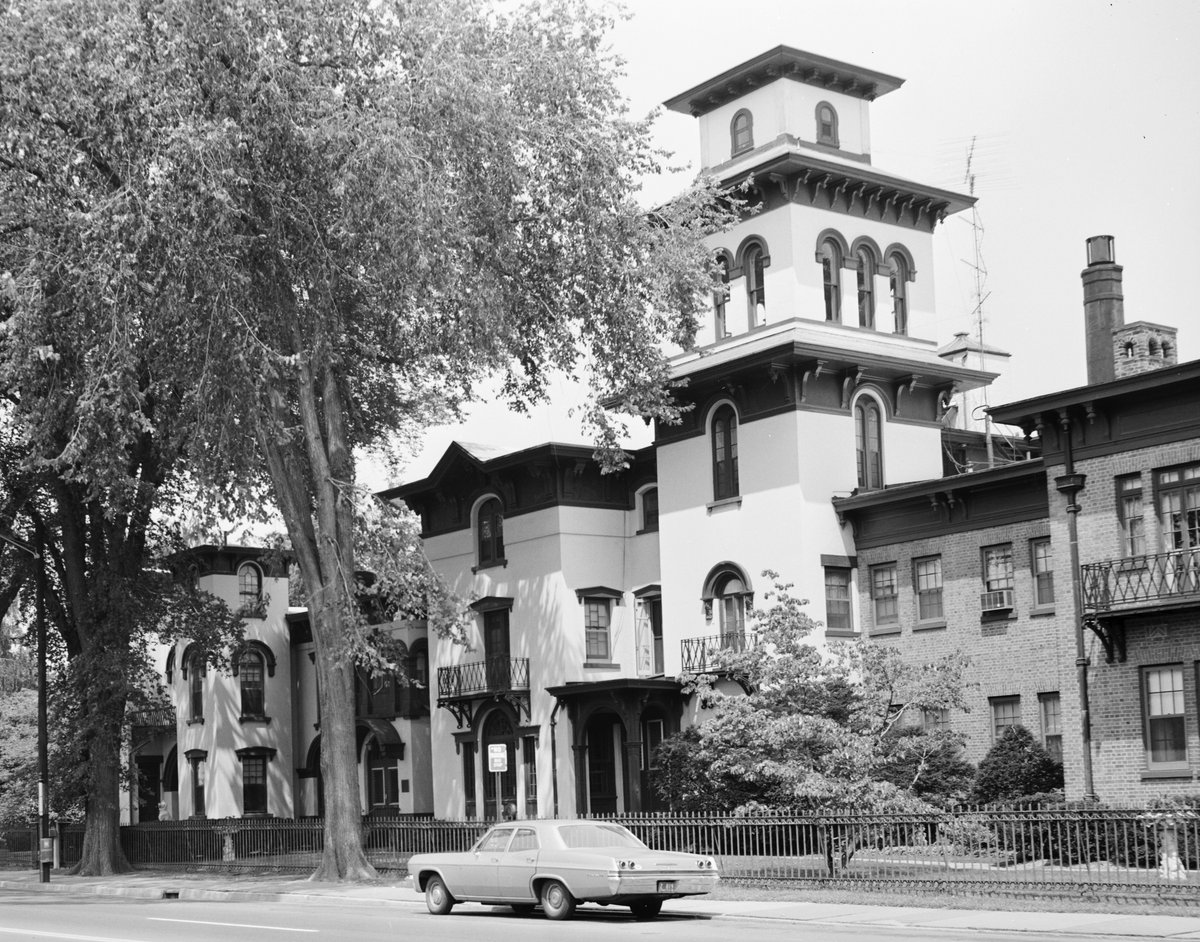
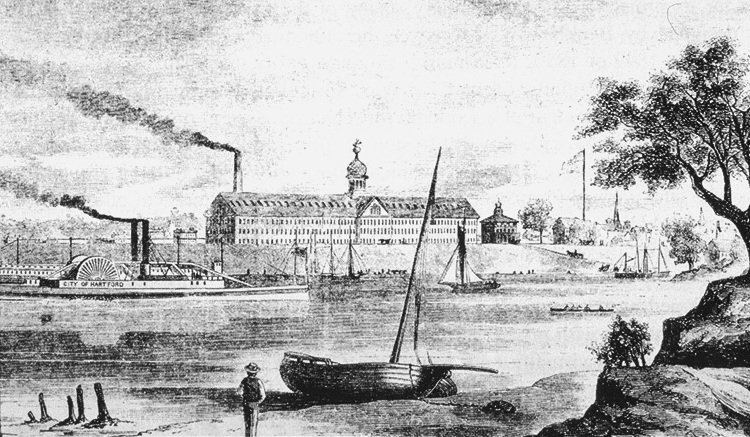
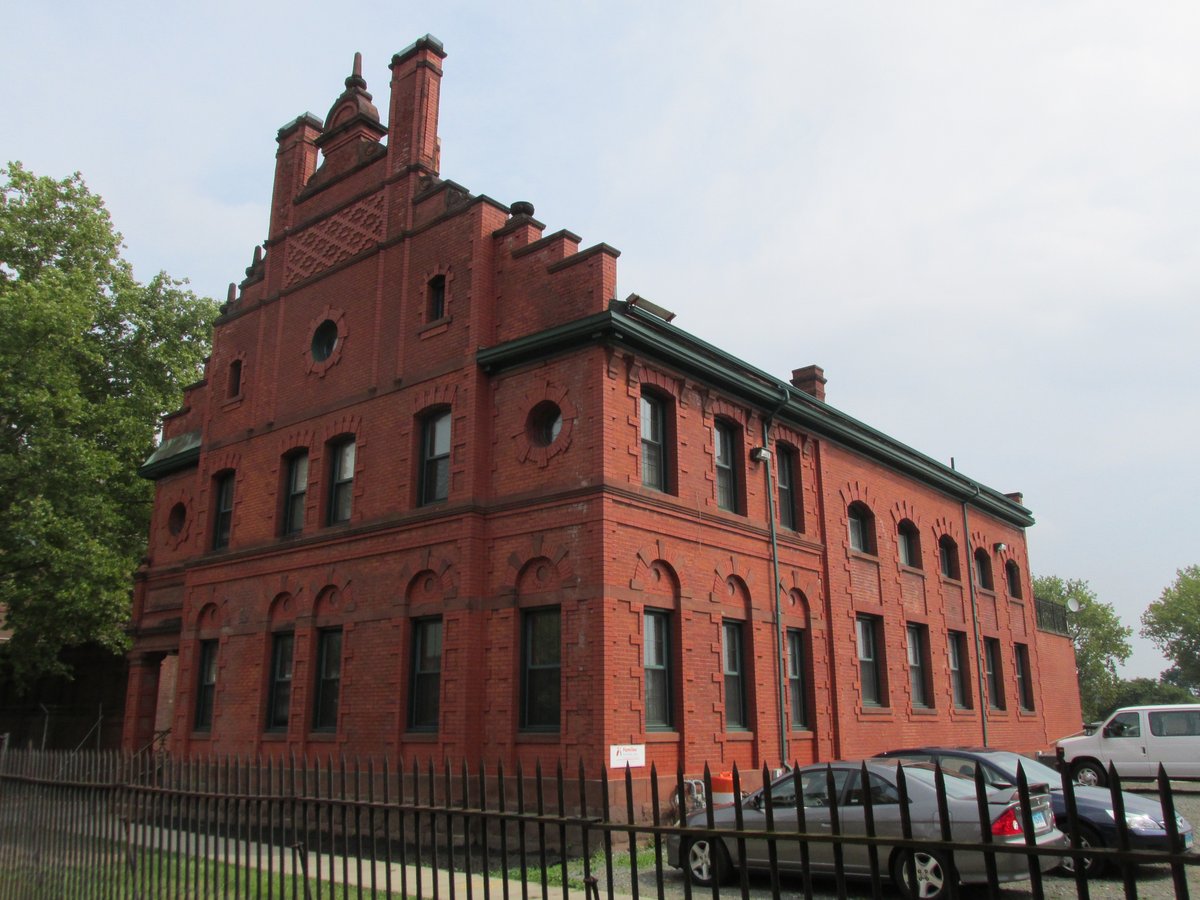
Samuel Colt fathered the Connecticut River Valley industrial revolution. Colt purchased a large tract of land in the area in the 1840s. Inspired by a trip to London, he embarked upon one of the boldest real estate development campaigns in Hartford's history. By 1856, it was a city within a city. He built an industrial community to house his workers adjacent to the Colt Armory.
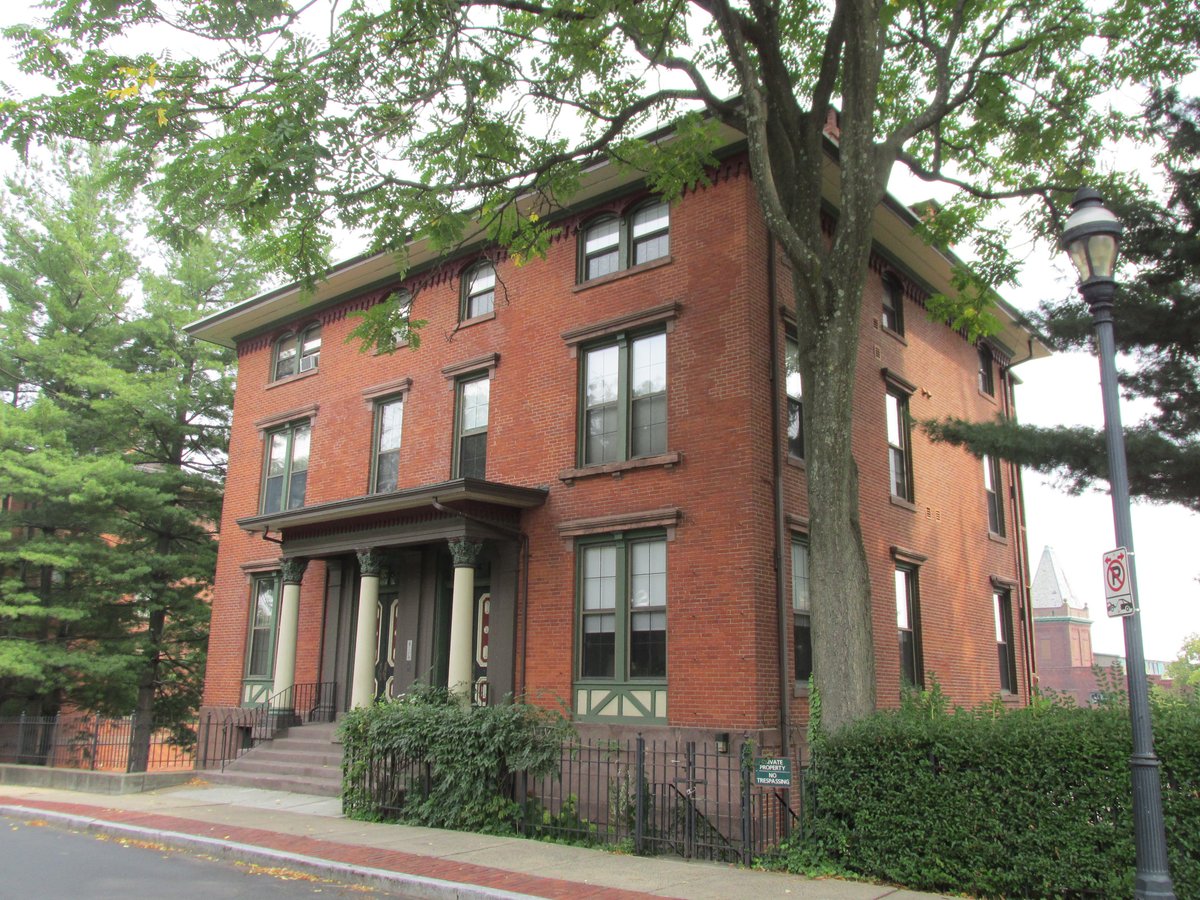
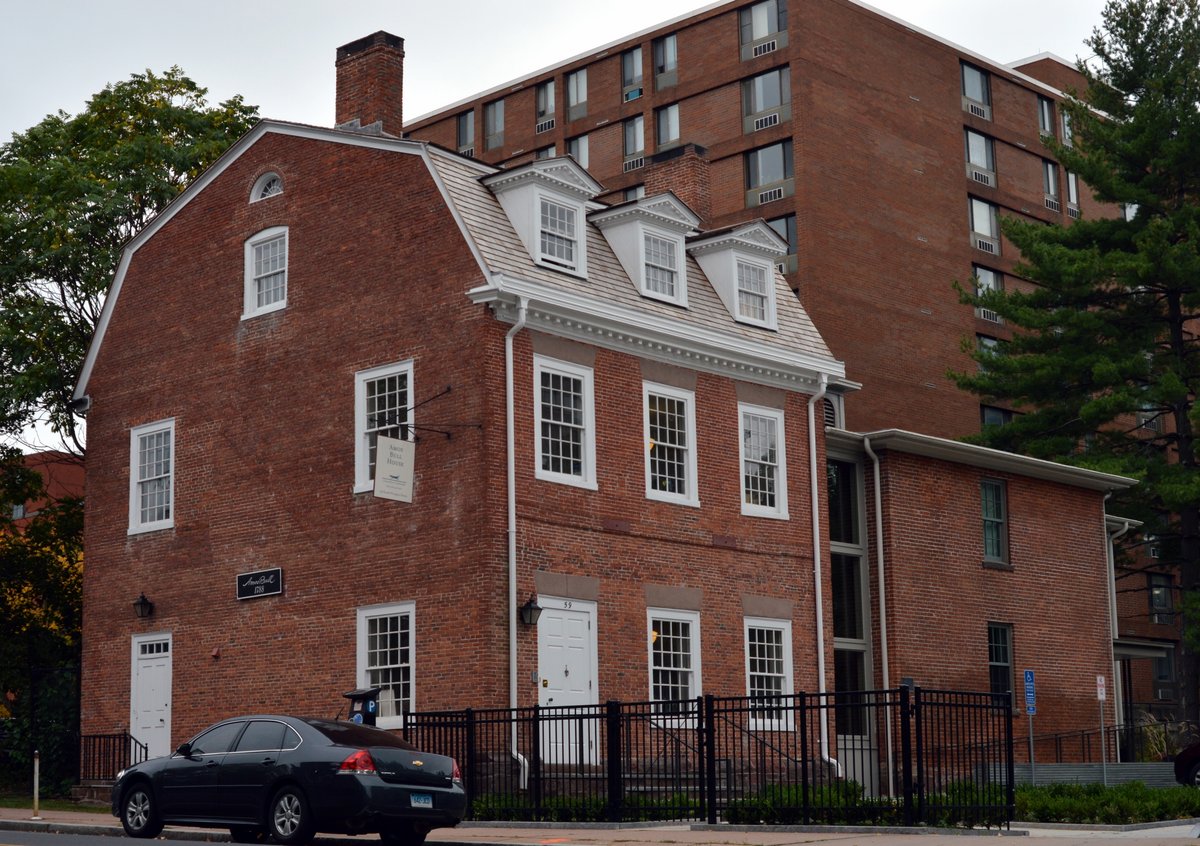
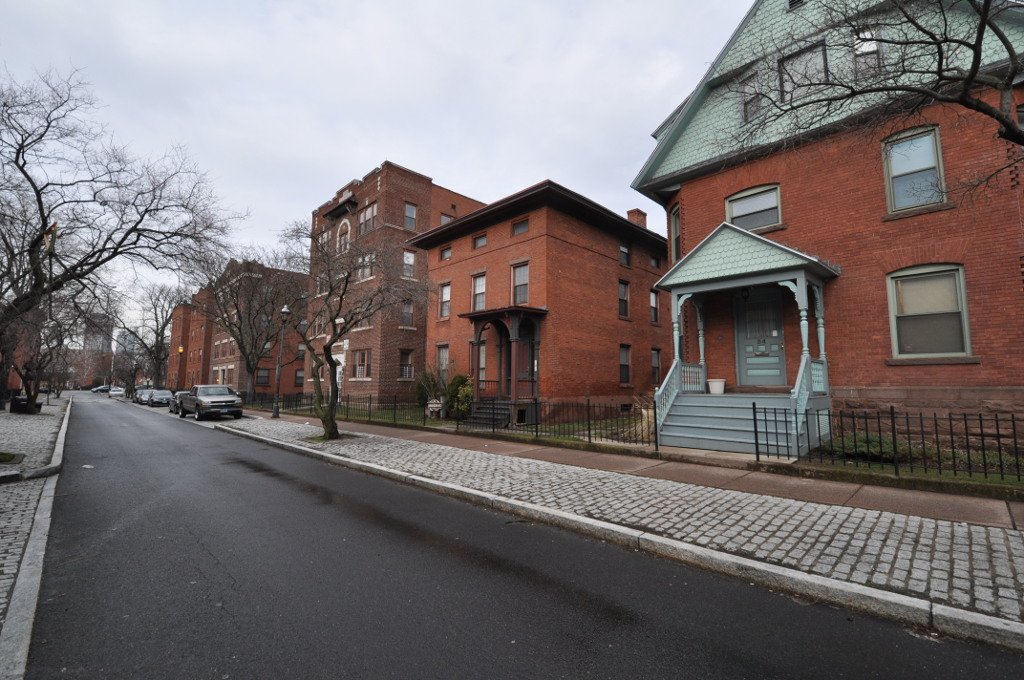
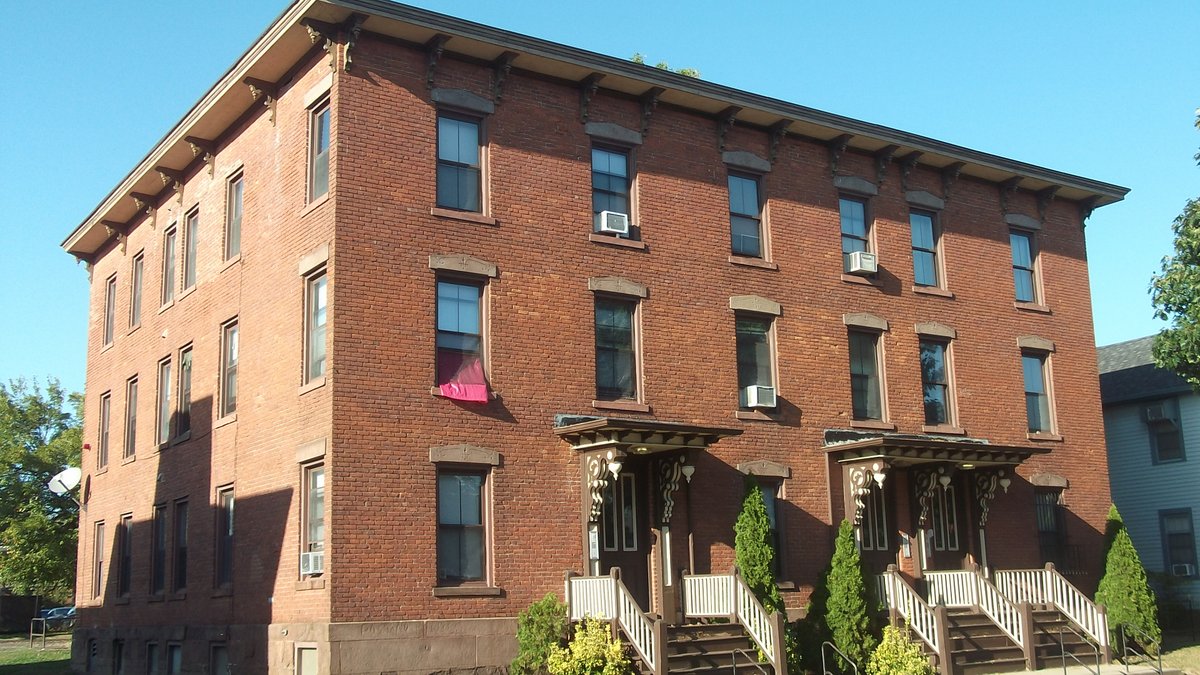
Coltsville was a company town in America. It was among the country's first and most advanced of its time, though not the most tightly controlled. He established a ten-hour day for employees. He mandated lunch breaks. He built a hall for games and news. He fired people for being late. He fired people for suggesting improvements. Colt ran his plant with a military-like discipline.
Colt used an assembly line. He hired Elisha K. Root. Machines did as much as 80% of the work. This allowed for interchangeable parts. Colt turned to artisan gun makers from Bavaria and developed a commercial use for Waterman Ormsby's grammagraph to produce "roll-die" engraving on steel, particularly on the cylinders. His wife, Elizabeth, kept the empire running for forty years after he died in 1862.
Ghosts of this empire remain today. The blue onion dome stands out. It is topped with a gold orb and a rampant colt. The Colt Armory stands as a monument to Hartford's first "celebrity industrialist," and the once mighty empire he created.
Sources: Wikipedia, OpenStreetMap, Wikidata, Wikimedia Commons
Written by Leroy
Discuss this with the author and others
No comments yet. Be the first to start the conversation.