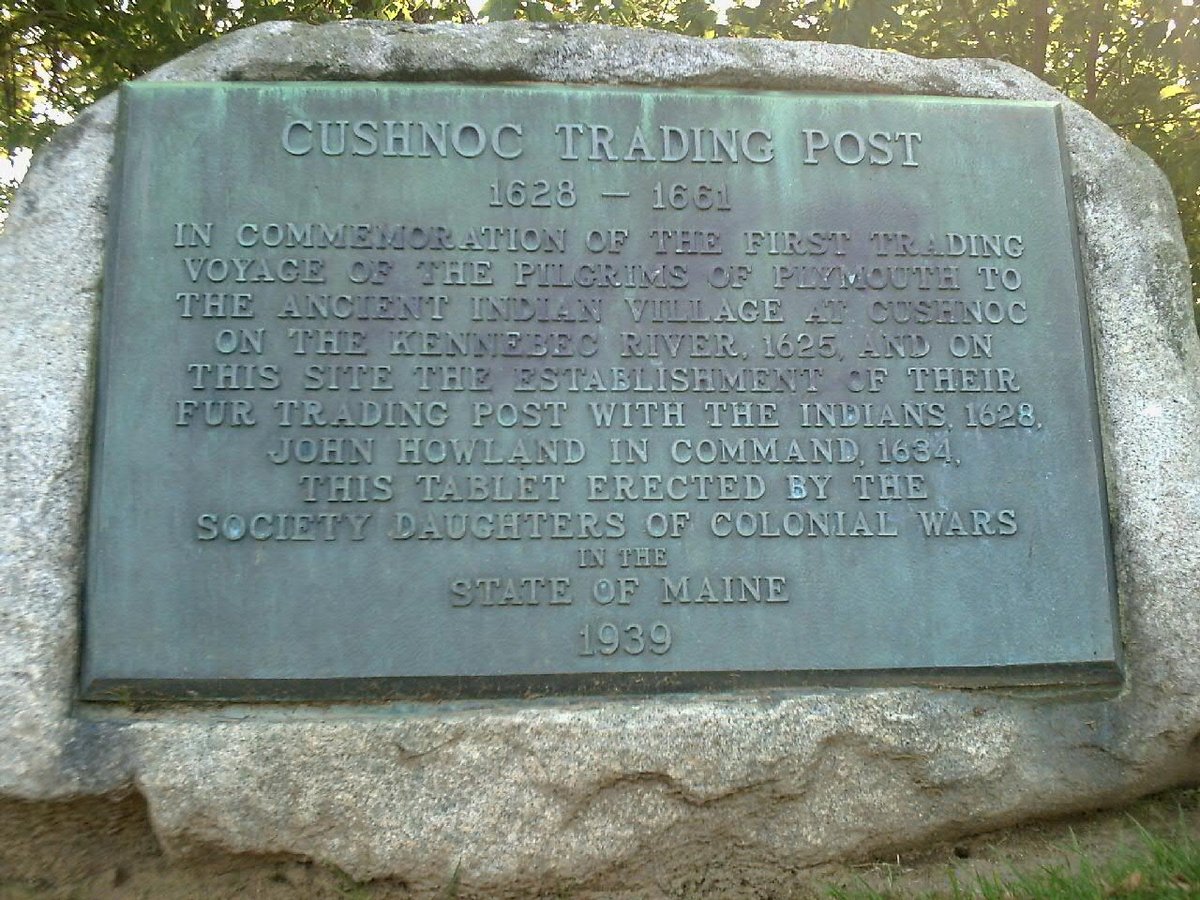
The Plymouth Colony did not choose the Kennebec River for the scenery. In order to repay the investors in the colonization effort, the colonists engaged in a number of ventures, including trading for furs with the local Native American population. In 1628, they started a trading post called Cushnoc. They primarily traded with bands of the Abenaki nation.
The site was used for trading and living in earthfast buildings. Artifacts found at the site were consistent with those found at other sites dating to the mid-17th century, including tobacco pipes, glass beads, utilitarian ceramics, French and Spanish earthenwares, and many hand-forged nails. The Plymouth colonists are known to have abandoned their trading on the Kennebec in 1661. This site provides a window into trading and construction practices in the early period of colonial settlement in New England.
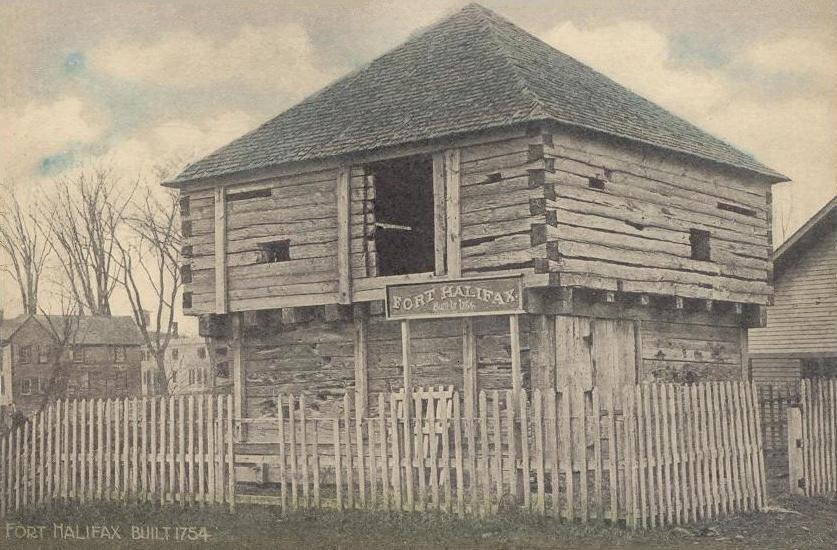
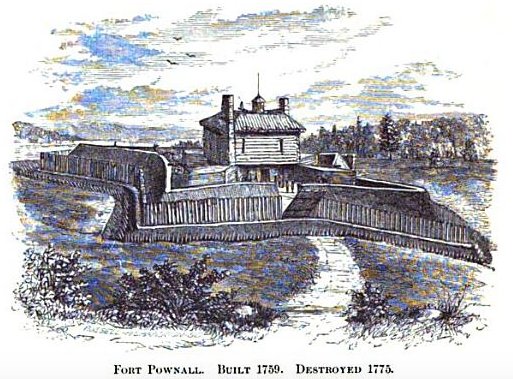
In 1754, the British built Fort Western nearby. They built it at a place called Cushenoc, near the spot where the Plymouth Colony had a garrison one hundred years earlier. The fort became the center of development for the city of Augusta.
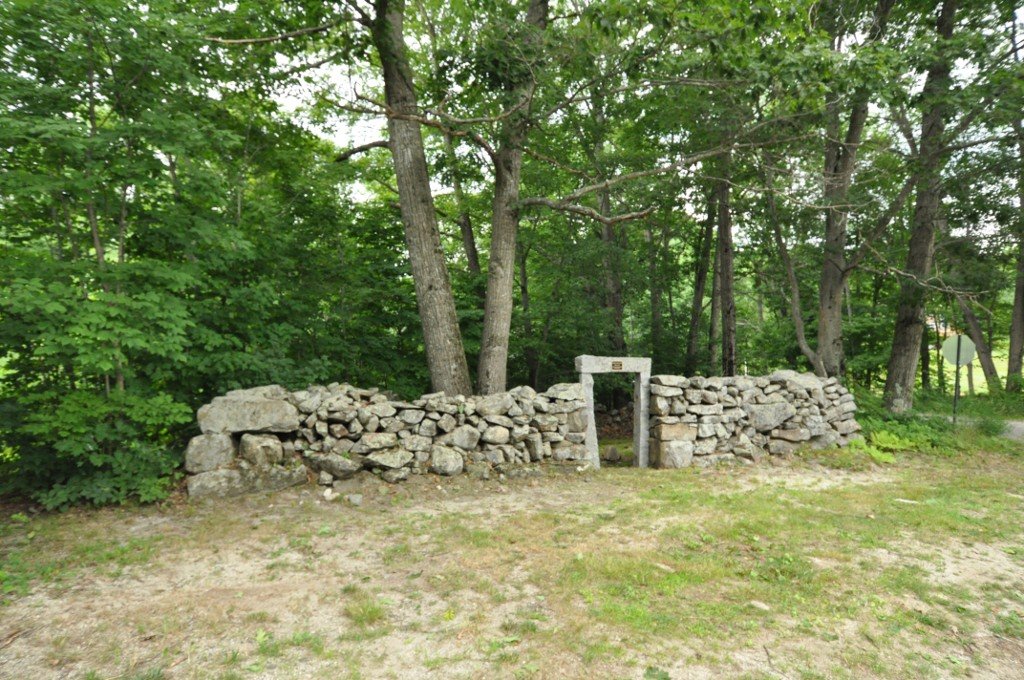
Archaeologists identified and excavated the site between 1984 and 1987. They found the boundaries of the trading post's palisaded wall and postholes of earthfast buildings beneath the surface level plow zone in sandy soil. Today, the site is a National Historic Landmark. It stands on the eastern bank of the Kennebec River.
Sources: Wikipedia, OpenStreetMap, Wikidata, Wikimedia Commons

Written by Leroy
Discuss this with the author and others
No comments yet. Be the first to start the conversation.