
We should take a moment to examine the Confidencen, the oldest Rococo theatre in Sweden. Its most intriguing feature is the table à confidence, a piece of furniture designed to descend through the floor into the basement for setting. This mechanical marvel dates back to 1753, the year Queen Louisa Ulrika ordered the transformation of an old guesthouse and riding house into a royal stage.
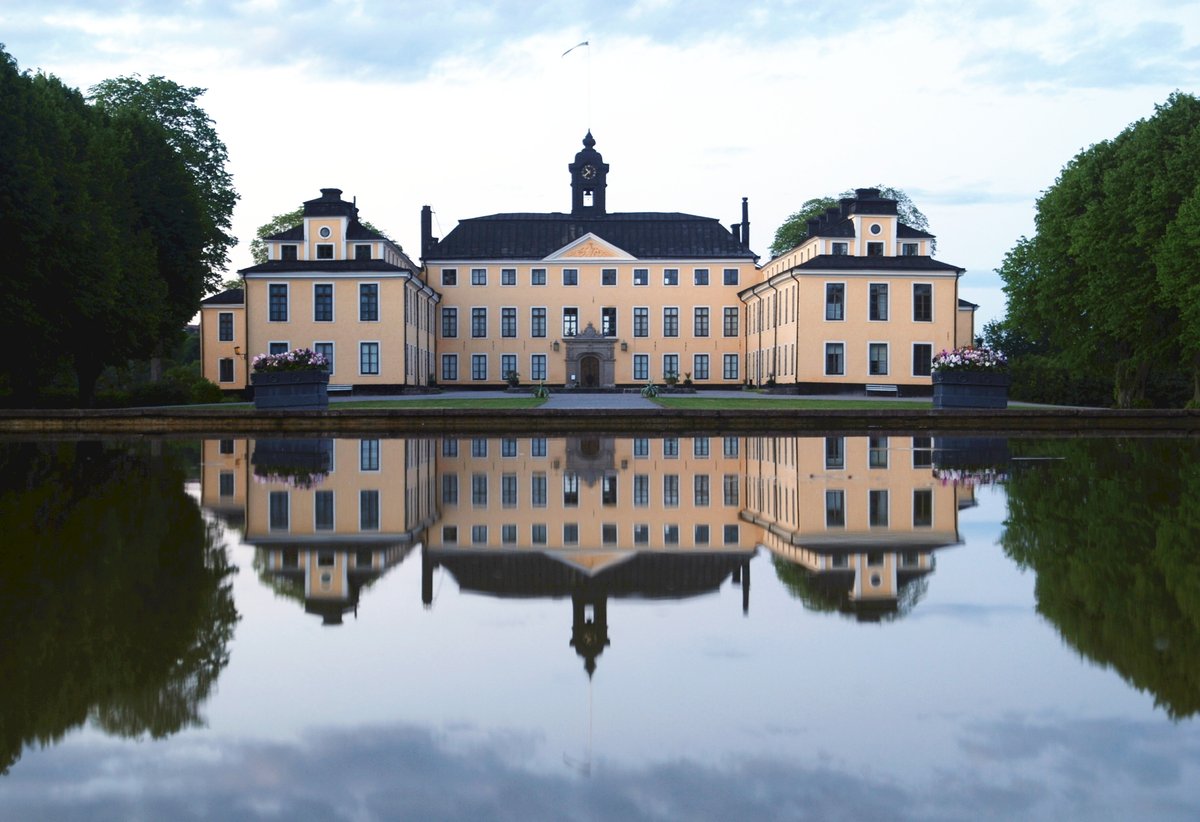
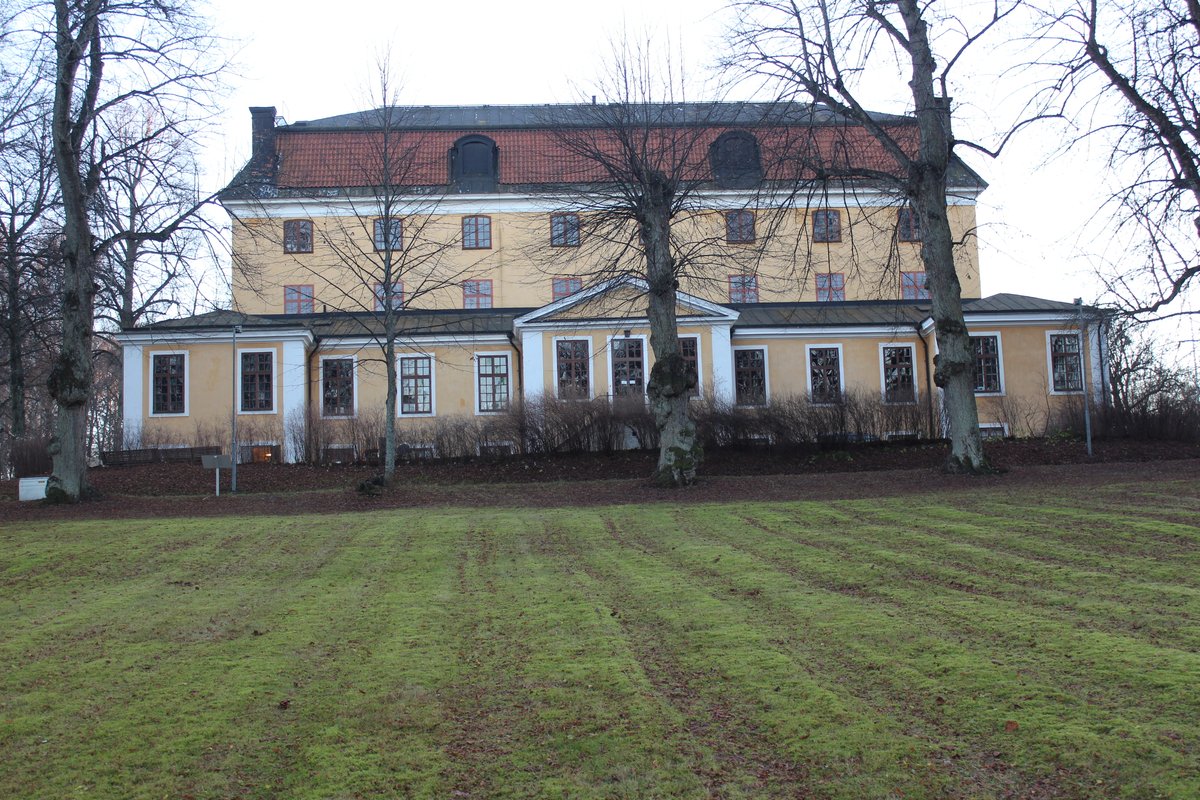
If we look closer at the history of Ulriksdals slott, we see a landscape of shifting purposes. It began as a country retreat in 1638–1645 and eventually served as a royal residence. While financial issues halted the grand 17th-century plans of Queen Hedvig Eleonora, King Frederick I resumed construction in the 1720s and included one of the first Swedish mansard roofs. Later, King Charles XV turned the grounds into a personal summer residence, filling the palace with antiques to reflect his specific tastes.
By the 20th century, the palace transitioned into a more intimate living space. Prince Gustav Adolf and Louise Mountbatten converted the former knights' hall into a living room filled with furniture designed by Carl Malmsten. Now, visitors can explore these preserved rooms to study the royal silver collection and various items from Gustaf VI Adolf's art and crafts collection.
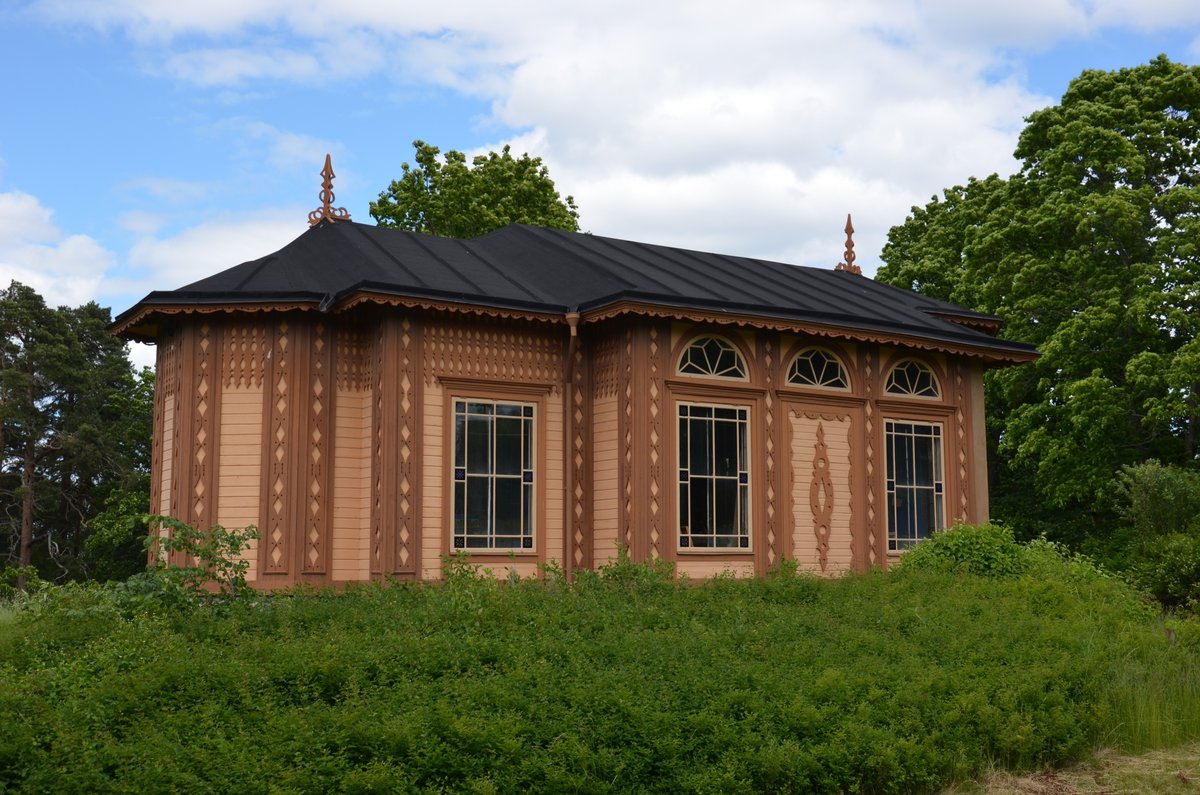
Beyond the main palace, there is much more to discover in the garden. A Dutch new Renaissance chapel was built there in 1864–1865 to replace an earlier structure destroyed during 1774 renovations. Nearby, the Orangery Museum houses sculptures by Sergel and Milles within a building that still displays the architectural authority of Nicodemus Tessin the Younger.
Sources: Wikipedia, OpenStreetMap, Wikidata, Wikimedia Commons
Written by Nik Frost
Discuss this with the author and others
No comments yet. Be the first to start the conversation.