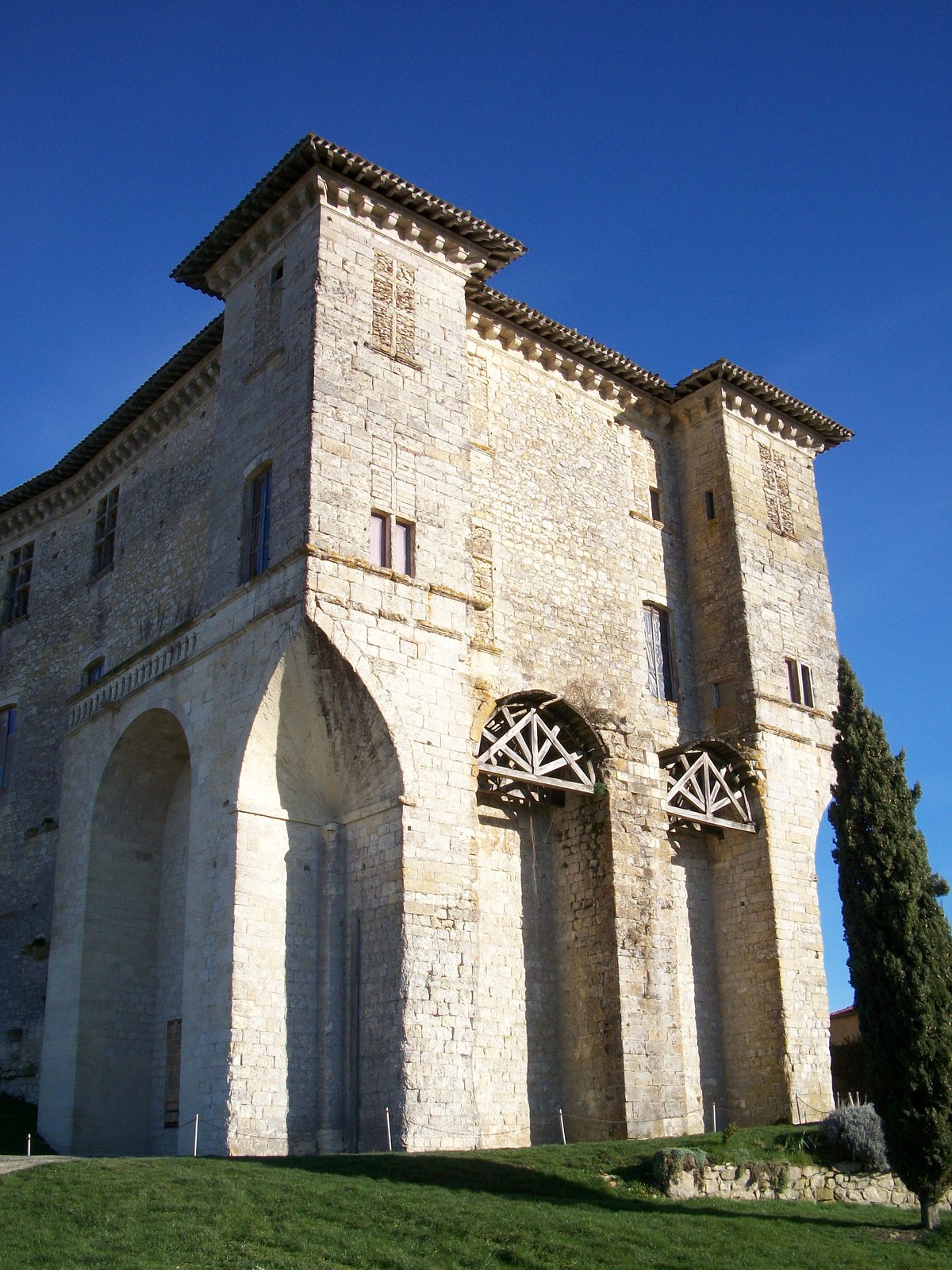

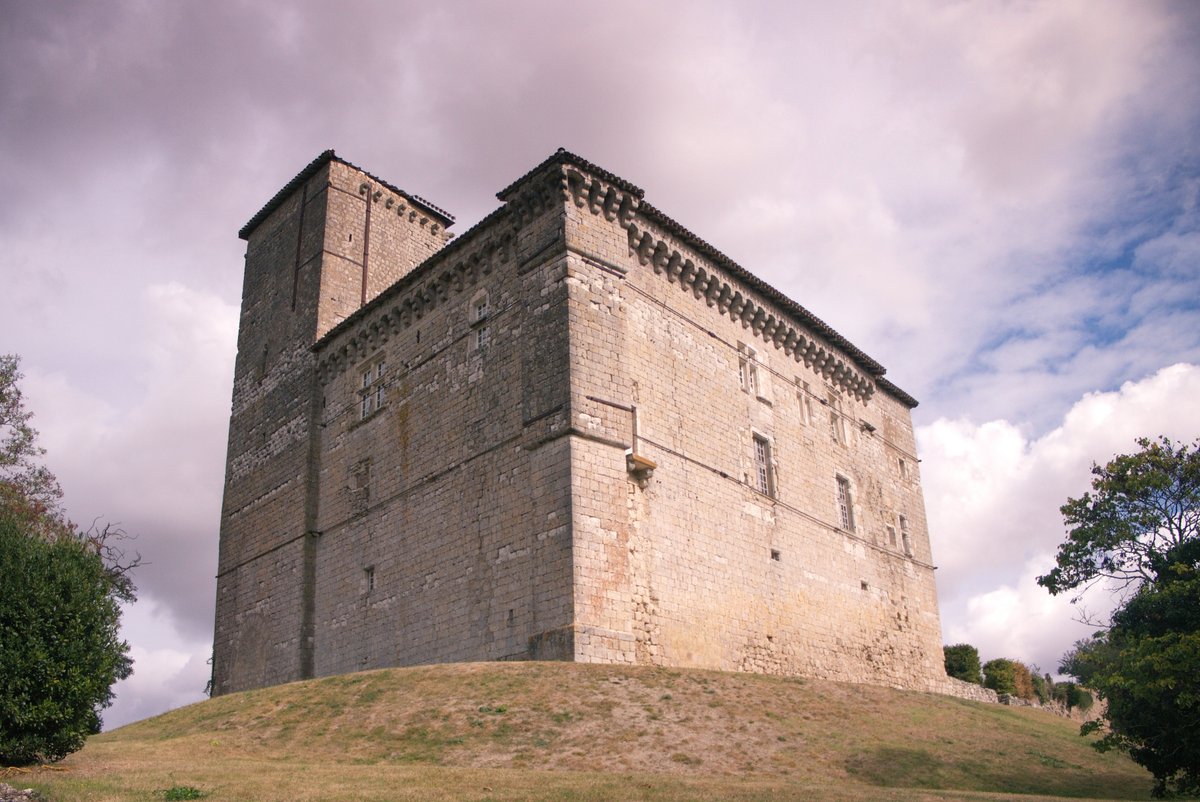
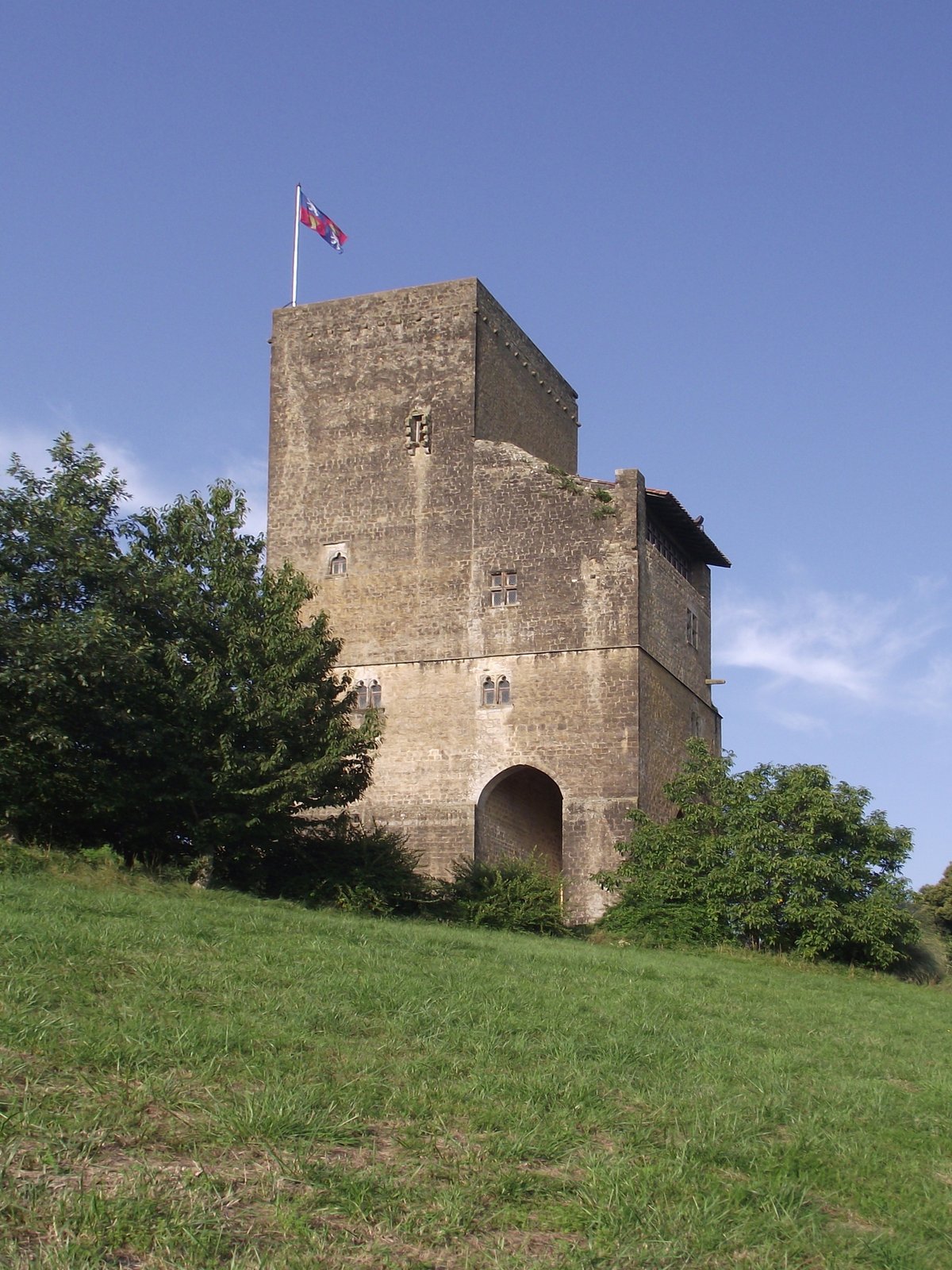
The upper floor of the Château de Lavardens was never built because a plague epidemic chased away the workers in 1653. Consequently, the castle remains unfinished.
Before the plague, Antoine de Roquelaure began construction on this place in 1620. He hired two of the most renowned architects of the time, Pierre Souffron and Pierre Levesville, to build a new residence on the foundations of a medieval fortress. However, De Roquelaure died in 1625 at the age of 81, just five years into the project, before the construction could be completed.
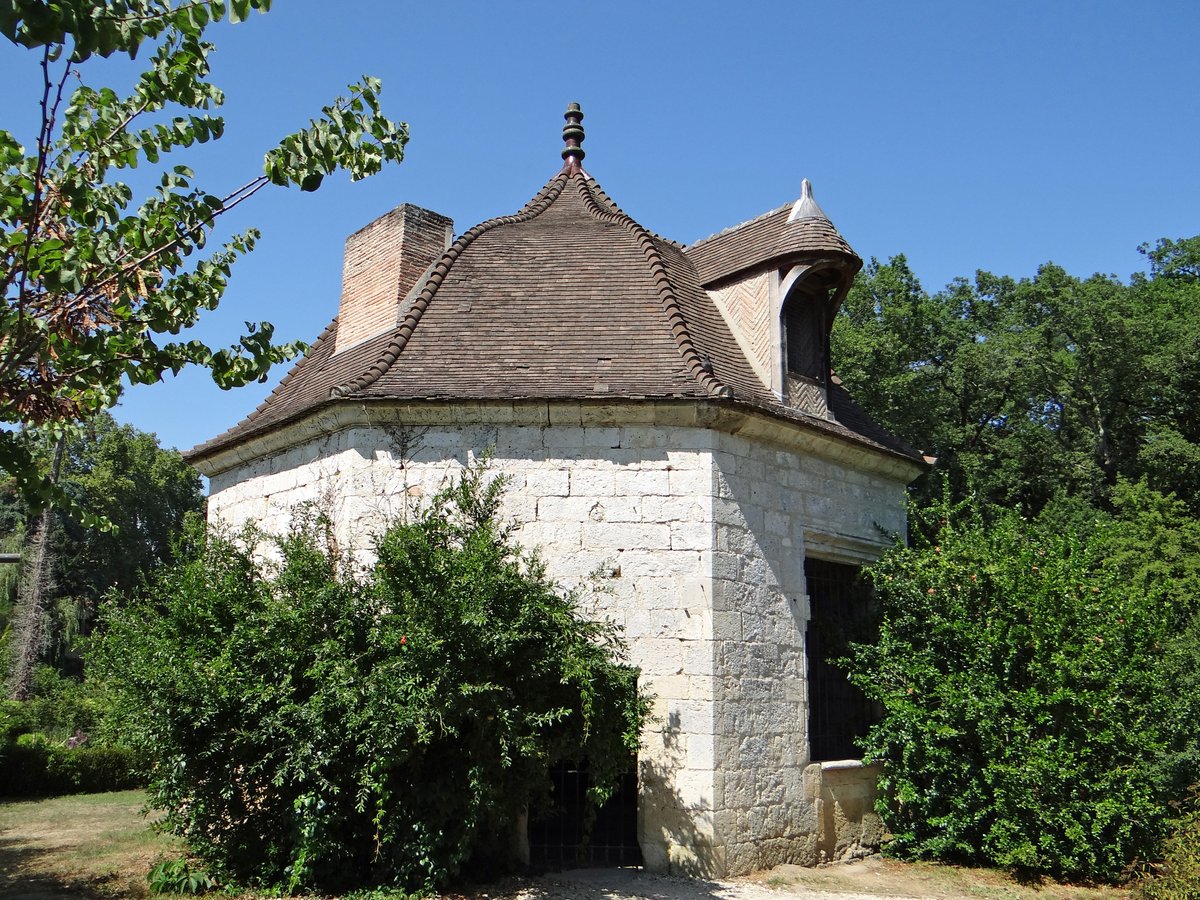
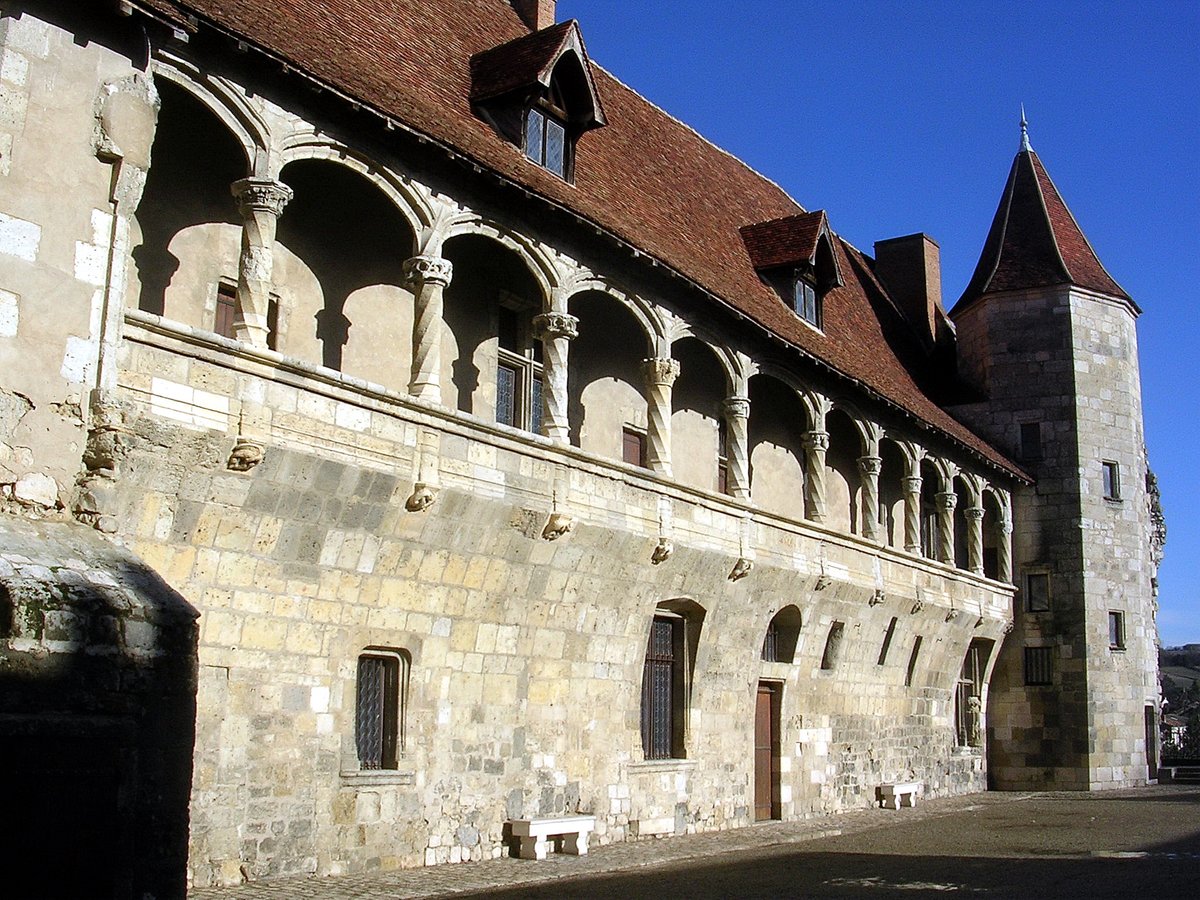
On the west facade, you can see technical feats like the trompes supporting the corner turrets. These were not intended for military defense, but rather for aesthetic purposes, serving as passages between three balconies that offered views over the valley. In the lower parts of the building, one can see the original fortress, including two vaulted rooms from the 13th century. The steeple of the current church was once a tower of the medieval castle.
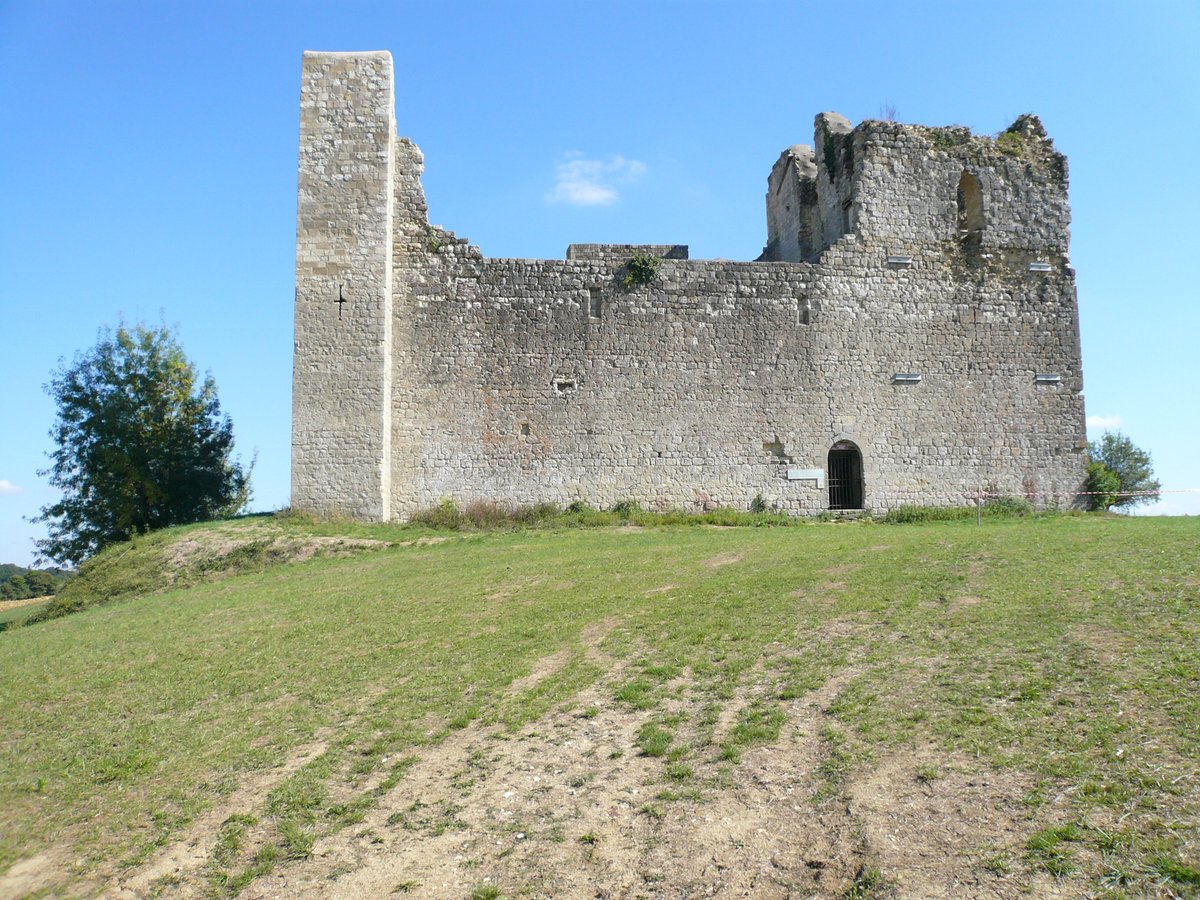
After a period of decay where the roof collapsed and trees grew inside, the castle was saved from being used as a quarry in 1961 under the impulse of Vincent Steux, when it was classified as a historical monument. Today, the castle serves as a center for animation and presents important exhibitions. Visitors can explore 17 rooms featuring pavements of brick and local limestone, creating a preserved moment of historical transition.
Sources: Wikipedia, OpenStreetMap, Wikidata, Wikimedia Commons
Written by Nicolo Ciampini
Discuss this with the author and others
No comments yet. Be the first to start the conversation.