
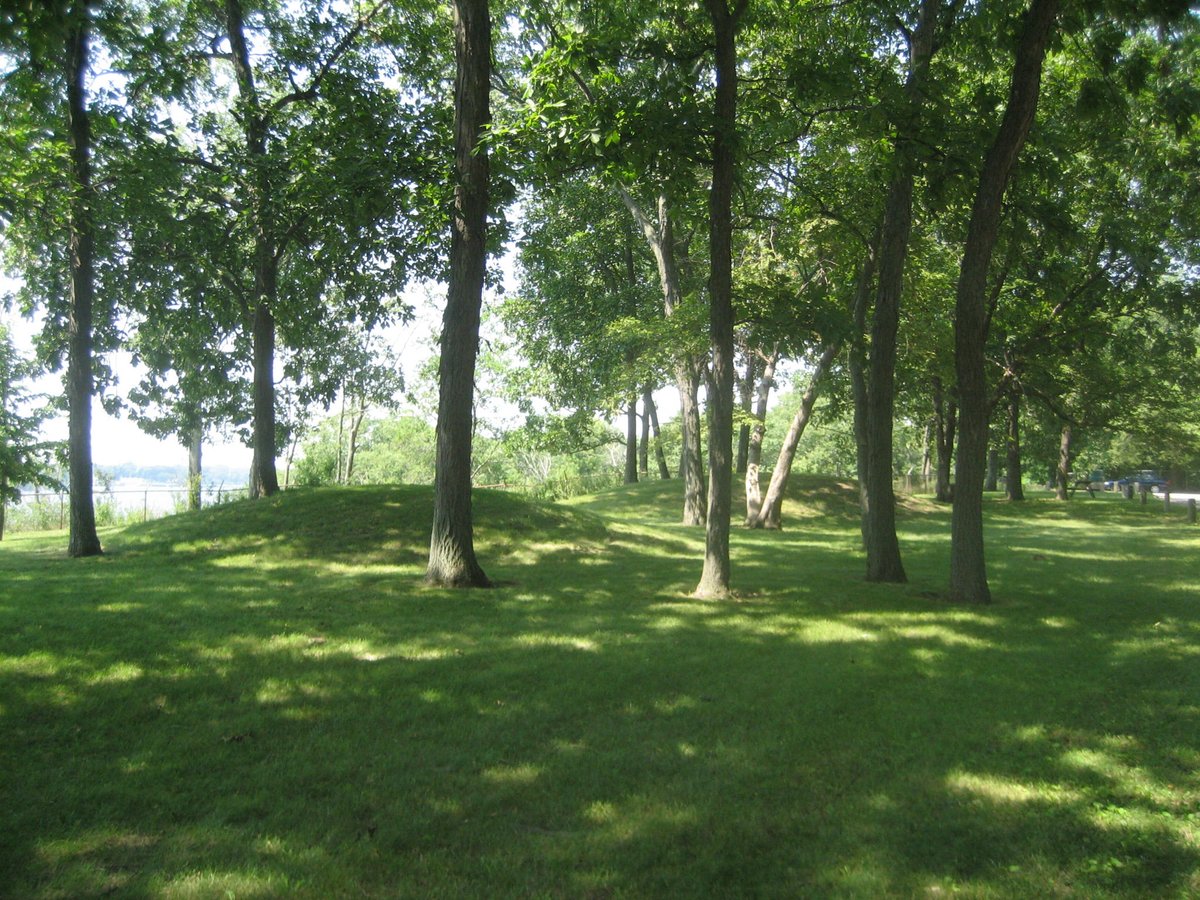
Appearances can be deceiving on Plum Island, Illinois. What looks like a picture-perfect river isle houses a significant Native American archaeological site. The island is closed to the public, except for restoration activities. While the area is now a sanctuary for bald eagles, it contains human remains dating to around 2000 BC. Excavations at the site have identified 470 pit features, including refuse pits, firepits, and unidentified pits. Up to fourteen burials were also excavated, with four of them containing grave goods.
History here is divided into three parts: Early Woodland (1500 BC to 200 BC), defined by the earliest pottery made in the Great Lakes region, Middle Woodland (marked by Havana Ware), and Upper Mississippian (notable for Fisher and Langford Ware pottery and European goods). The site was saved from being developed into a resort area and upscale condominiums, which would have destroyed both the eagle habitat and the Native American archaeological sites.
The Plum Island Site (Ls-2) is located in the Illinois River near Starved Rock in LaSalle County. It is a multi-component site representing prehistoric, Protohistoric, and early Historic periods. While no house structures were noted, the site was honeycombed with pits. Some refuse pits were likely originally storage pits converted for waste once contents began to sour, containing animal bones, charcoal, and artifacts.
Sources: Wikipedia, OpenStreetMap, Wikidata, Wikimedia Commons





Written by Leroy
Discuss this with the author and others
No comments yet. Be the first to start the conversation.