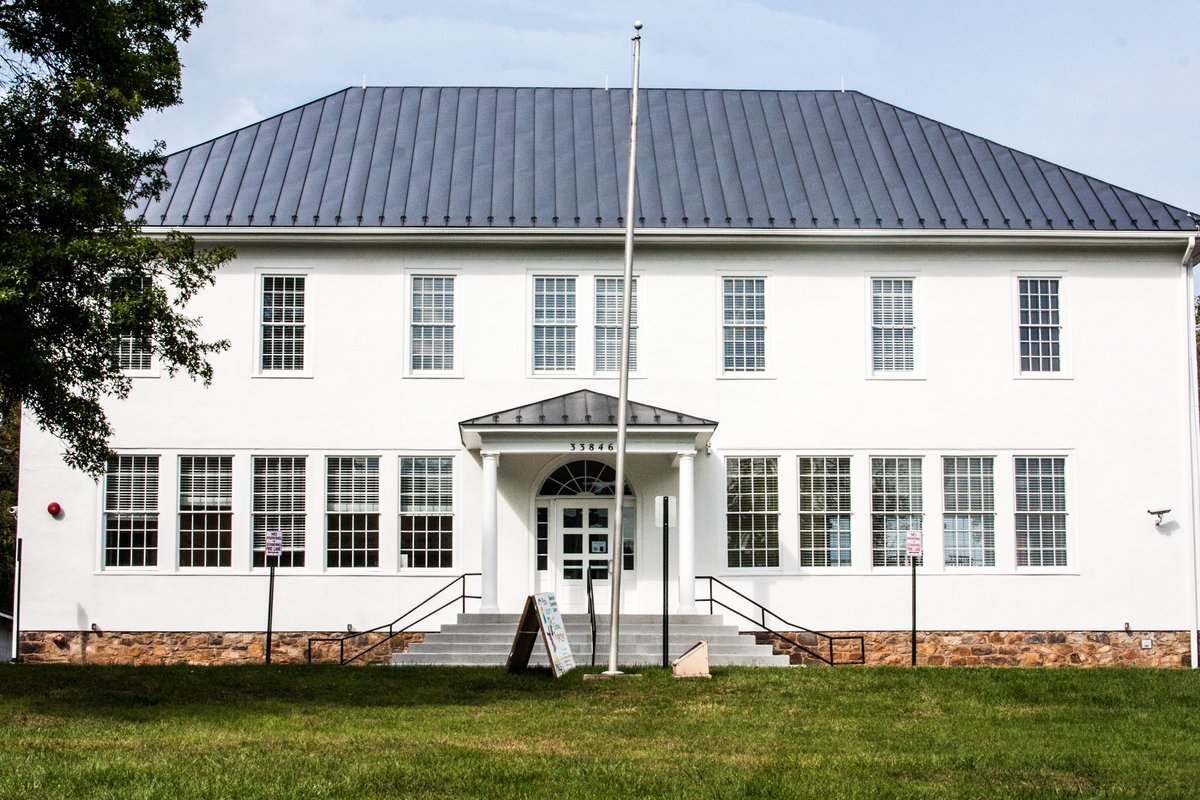

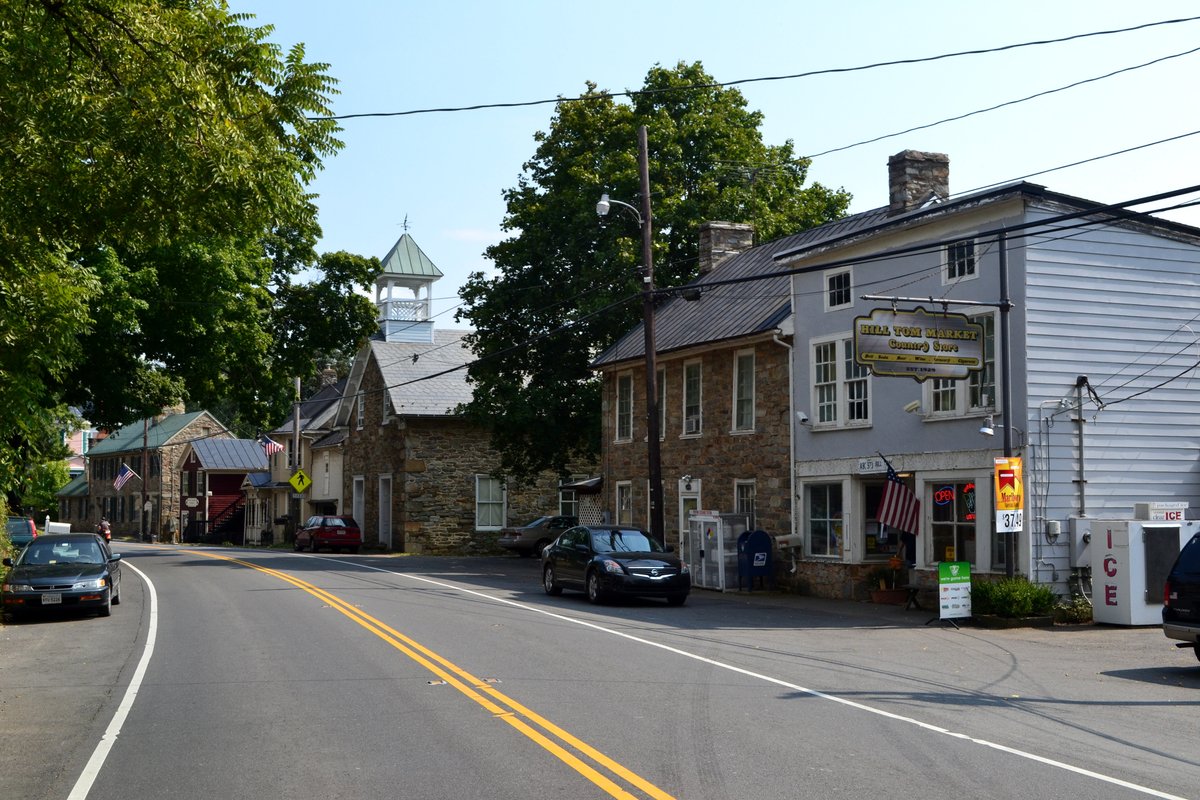
The Bluemont Historic District comprises the historic core of Bluemont, Virginia. The town is located on the eastern side of Snickers Gap, with the majority of the district fronting on the Snickersville Turnpike, also designated Virginia State Route 734. The district includes 43 buildings, of which 36 are houses, five are commercial structures, a church, and a community center.
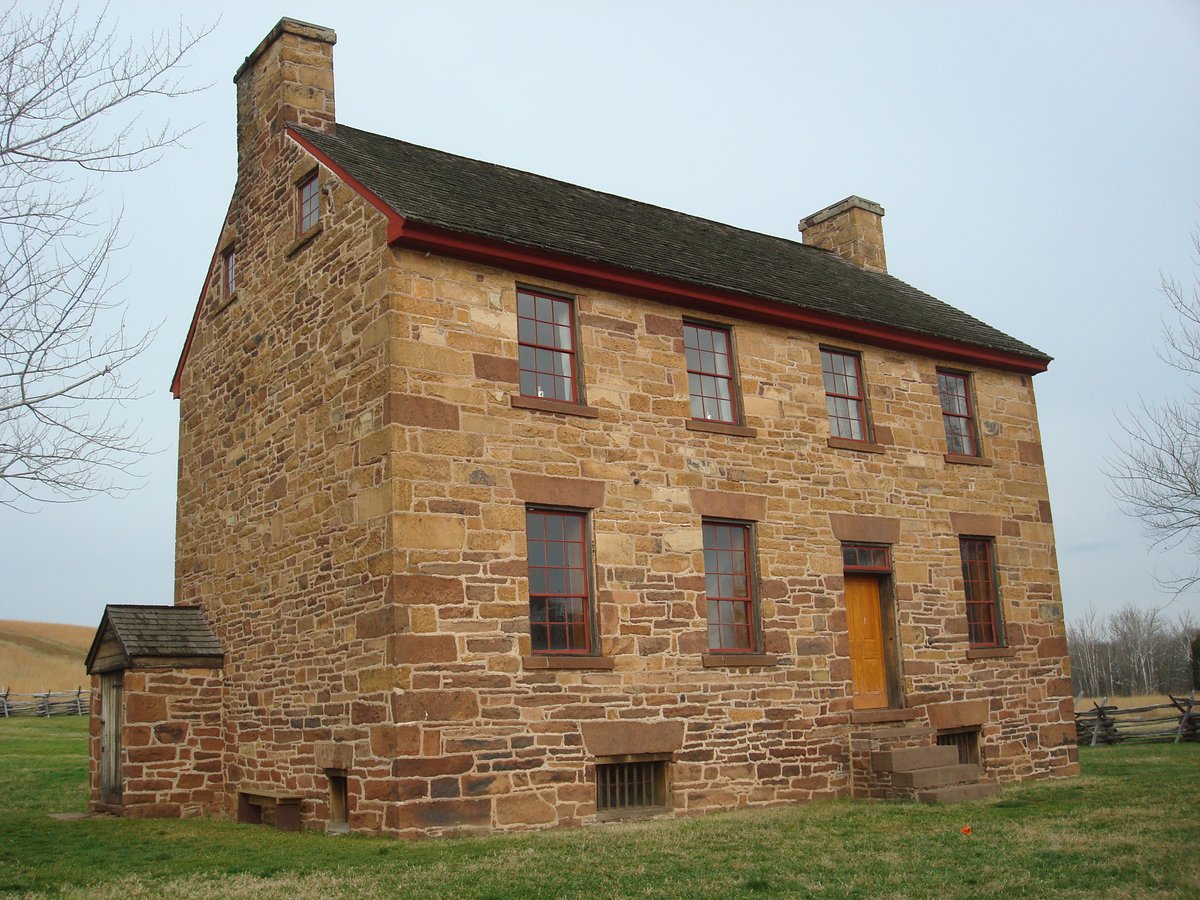
The oldest structure in Bluemont is Clayton Hall, a large stone house built in 1797. The Amos Clayton farm was located at the junction of Routes 734 and 760, which is now in the center of town. Relatively few pre-Civil War structures remain in the area, with the Bluemont Methodist Church (circa 1851) being the most significant other structure of that era.
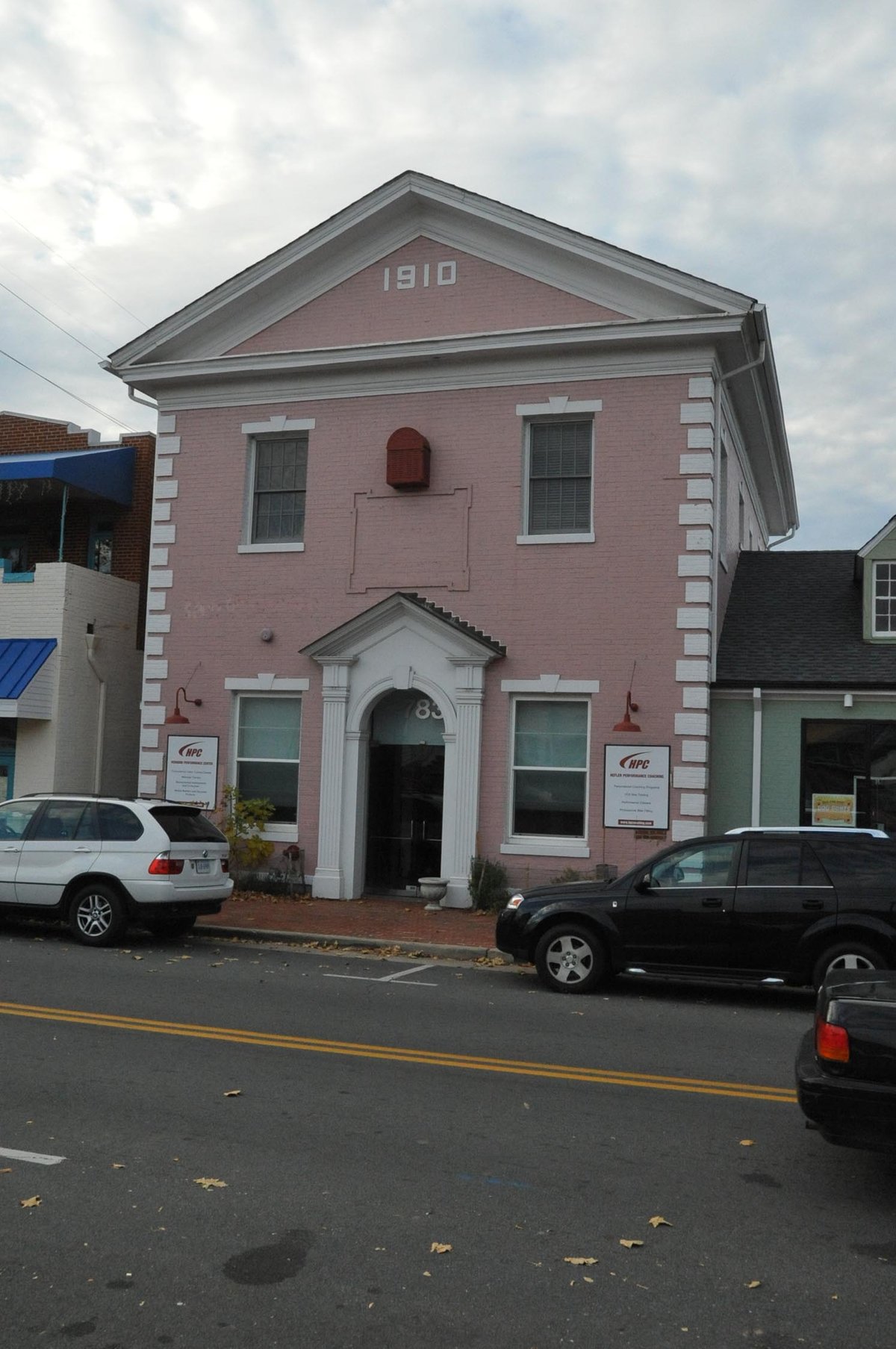
Most of the houses in the district date from the late 19th and early 20th centuries. The completion of the Washington and Old Dominion Railroad line to Bluemont in 1900 brought prosperity and growth to the town. During this period, two hotels - the Loudoun House Hotel (1900) and the Blue Ridge Inn (1904) - served summer visitors to the mountaintop town. The district was listed on the National Register of Historic Places on February 23, 1984.
Sources: Wikipedia, OpenStreetMap, Wikidata, Wikimedia Commons
Written by Friendly Jane
Discuss this with the author and others
No comments yet. Be the first to start the conversation.