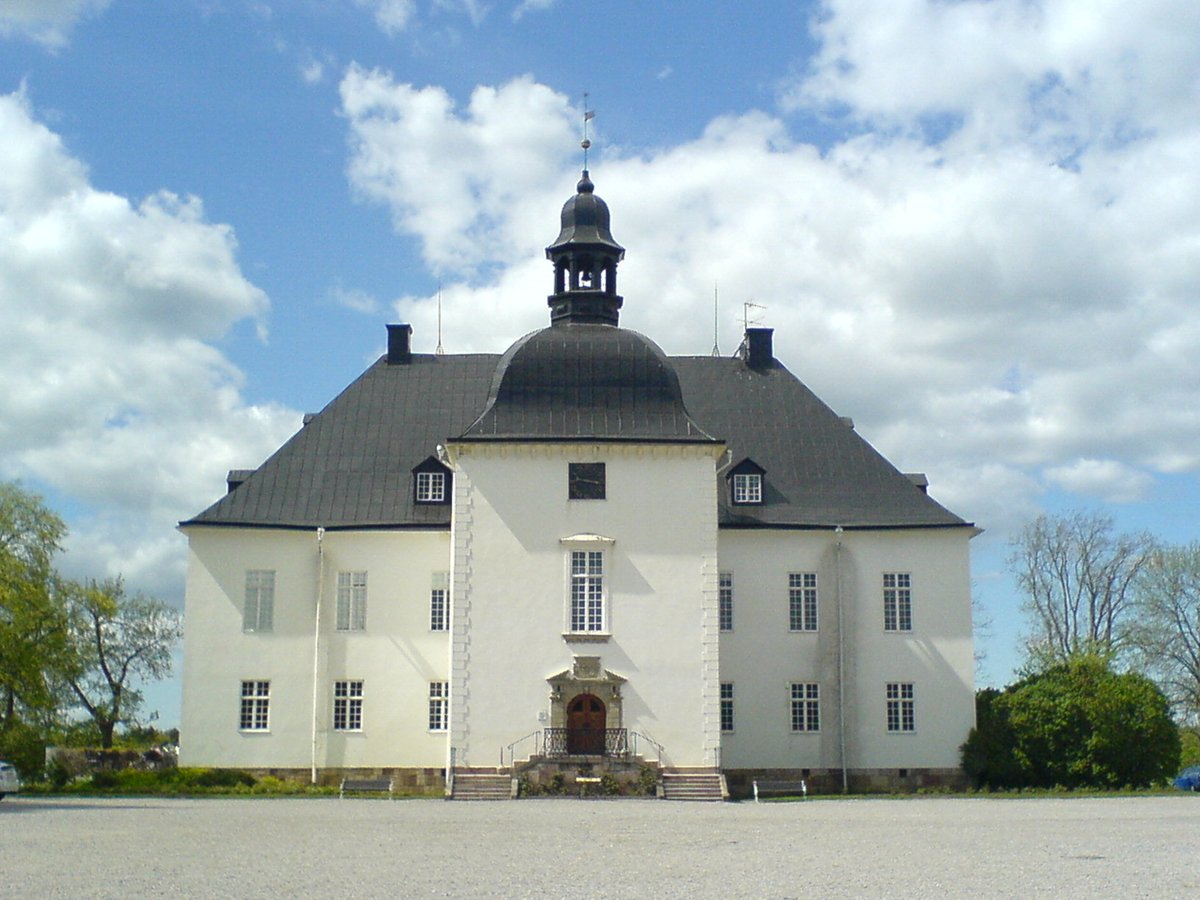

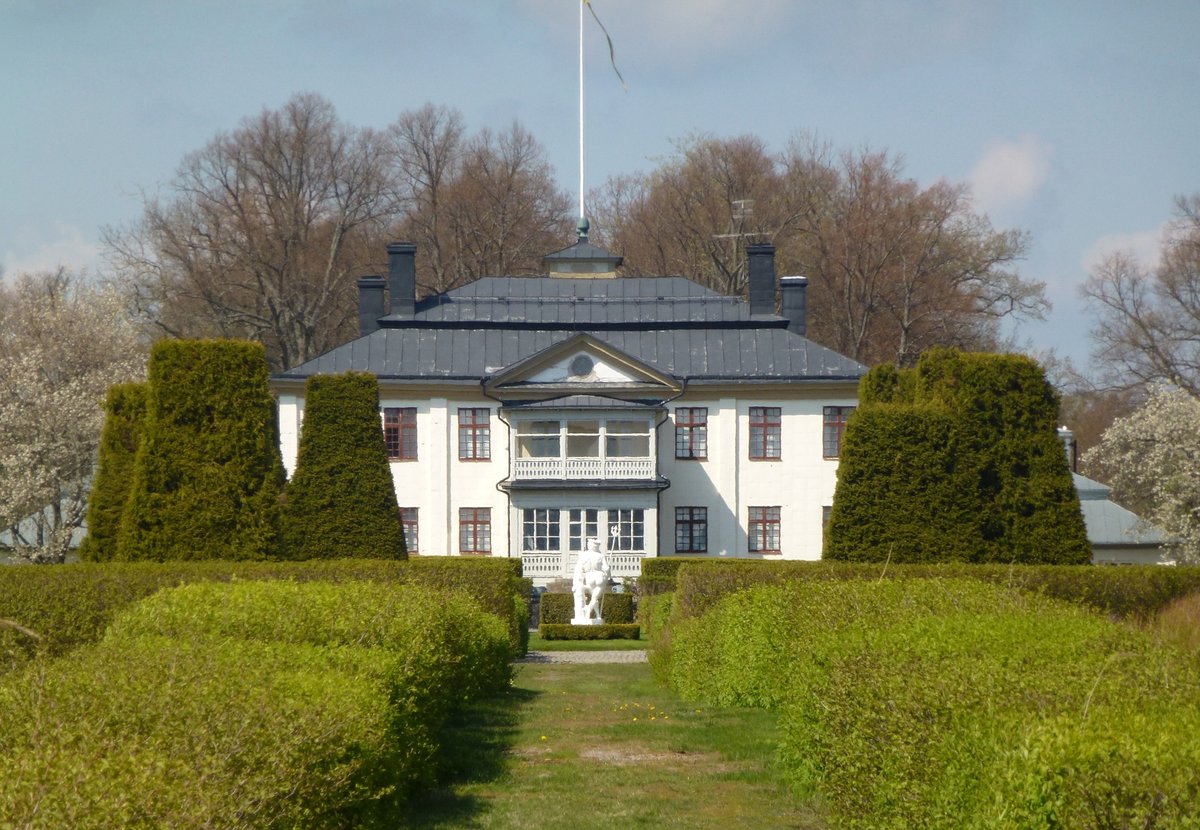
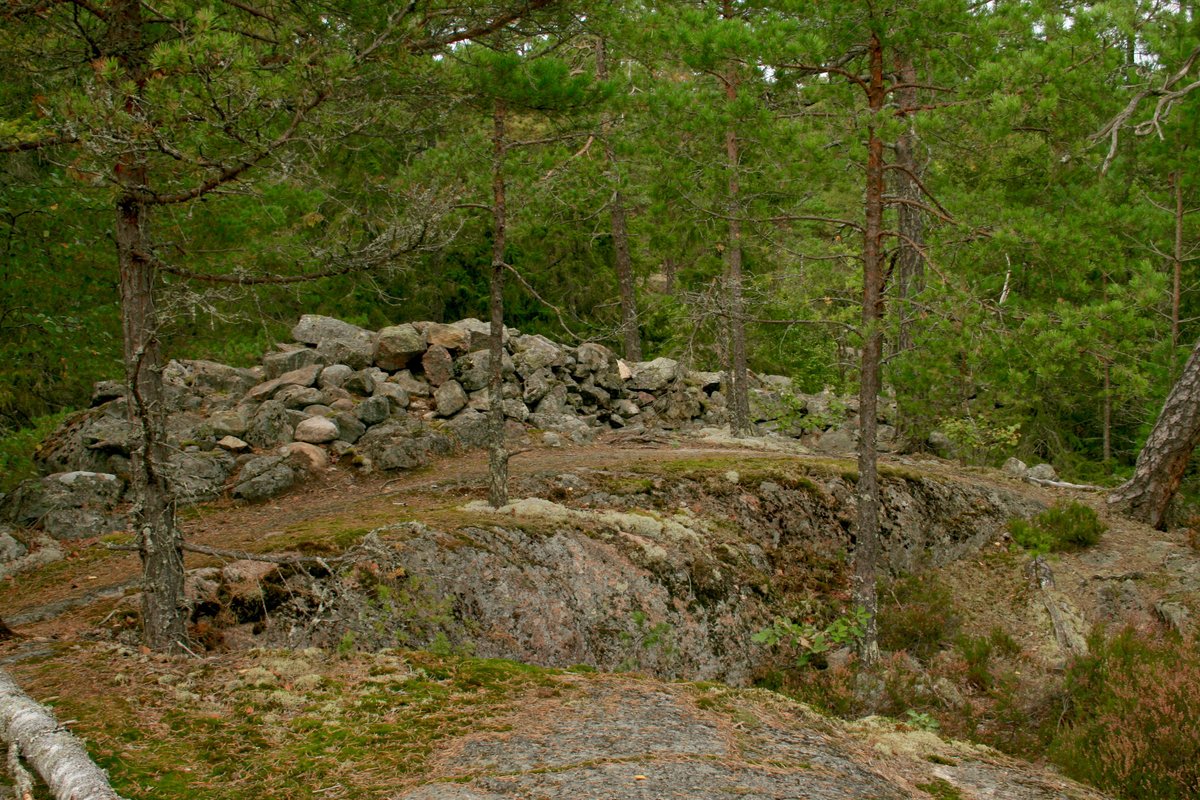
The grounds of Årsta hold a deep historical anchor reaching back to 1308. This location once functioned as the Swedish seat for the Teutonic Order. While the current manor dominates the view, the weathered remnants of those medieval ruins still linger nearby, inviting us to investigate the secrets of the past.
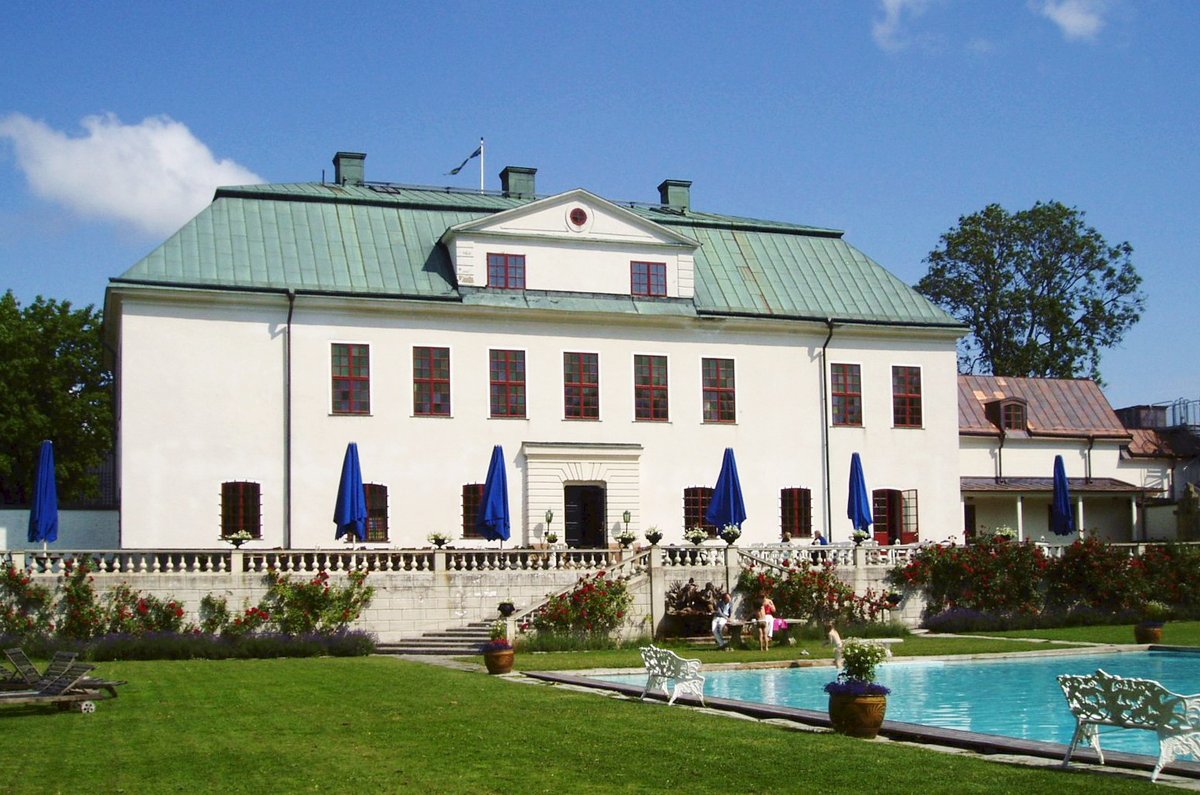
Ownership shifted to the nobleman Erik Axelsson Tott in 1467. However, the architectural profile changed significantly during the mid-1600s. Between 1660 and 1667, Claes Hansson Bielkenstierna and Barbro Åkesdotter Natt och Dag constructed the castle we see today. It continued its journey through the Kurck, Soop, and Fleming families until Carl Fredrik Bremer purchased the estate in 1805.
By the late 19th century, the property transitioned away from private noble hands. A stock holding company held the land until 1910, when it was acquired by the telephone engineer Gustaf Cedergren to begin internal modernizations. This lineage of change reflects a constant evolution of purpose.
Since 1966, the municipality of Österhaninge has served as the steward of this site. Today, the property remains a place of community and activity, housing the Årsta Slott Gastronomi restaurant and the Årstasällskapet society. Each visitor can now explore these layers of time with a sense of discovery.
Sources: Wikipedia, OpenStreetMap, Wikidata, Wikimedia Commons


Written by Nik Frost
Discuss this with the author and others
No comments yet. Be the first to start the conversation.