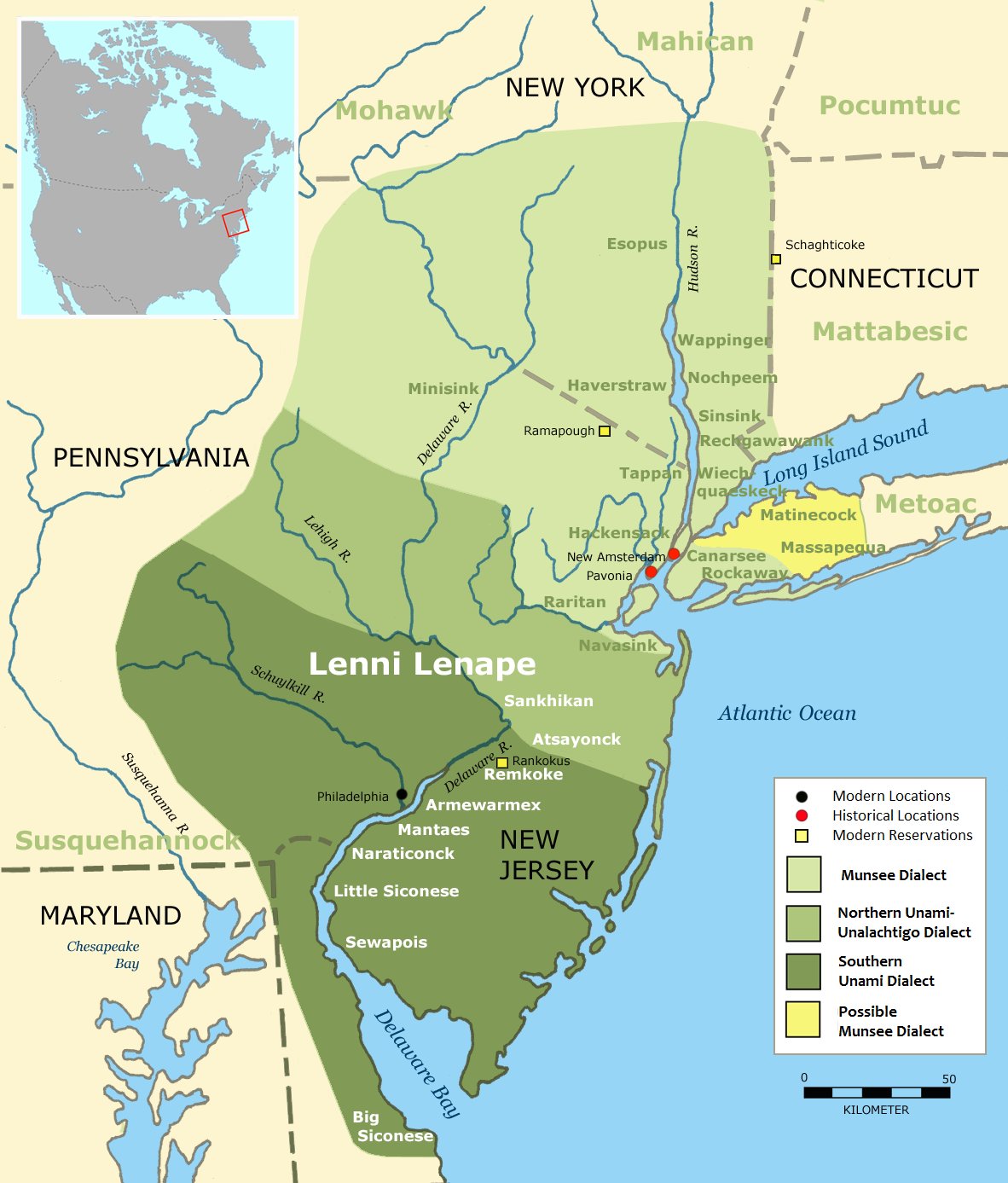

The Great Minquas Path, or The Great Trail, was an 80-mile trade route running through southeastern Pennsylvania from the Susquehanna River to the Schuylkill River. It served as the primary route for fur trading with the Minquas, or Susquehannock, people. However, the trail was also a site of intense competition for Dutch, Swedish, and English settlers who fought one another for control of the route and its profits.
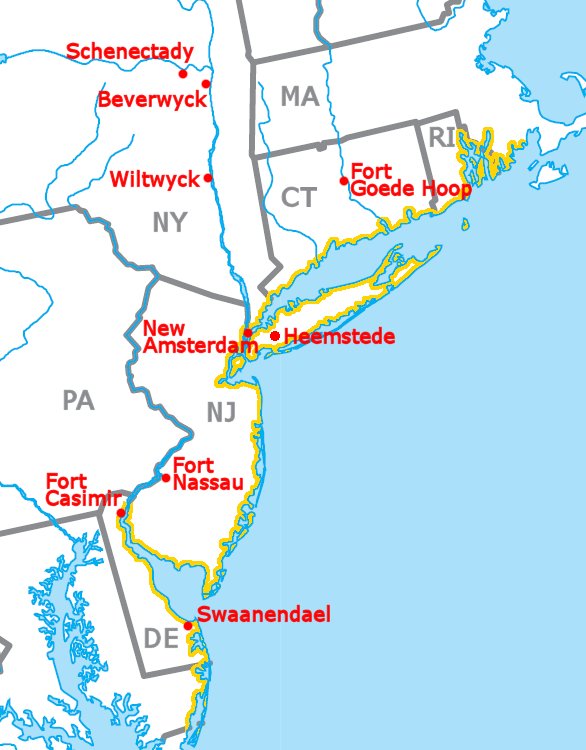
The Dutch began the fur trade in the 1620s and named the trail "Beversreede" or "Beaver Road." Sometime after 1633, they built Fort Beversreede at the eastern terminus at the confluence of the Schuylkill and Delaware Rivers. The Swedish colony, New Sweden, was founded in 1638 about 20 miles south of the fort. In 1644, Governor Johan Björnsson Printz built Fort Nya Vasa where the path crossed Cobbs Creek in an attempt to siphon off Native American trade from the Dutch. This effort was unsuccessful, and in 1648, the Swedes built a blockhouse in front of the Dutch fort, rendering it useless for defense until the Dutch abandoned it in 1651.
Under Peter Stuyvesant, the Dutch returned and conquered "New Sweden" in 1655, renaming the colony "New Netherlands." The English eventually conquered the Dutch in 1664, and the area became part of a land grant to William Penn in 1681. The English called the Susquehannock "Conestogas" after their main settlement on the Susquehanna River.
The Susquehannock were decimated by smallpox and by conflicts with European settlers and the Iroquois in the mid-17th century. Many moved or intermarried with other tribes. A century later, in December 1763, the Paxton Boys massacred 20 of the Conestogas, and the tribe soon became extinct in Pennsylvania. Today, Strasburg Road in Chester and Lancaster Counties generally follows the route of the Great Minquas Path.
Sources: Wikipedia, OpenStreetMap, Wikidata, Wikimedia Commons
Written by Friendly Jane
Discuss this with the author and others
No comments yet. Be the first to start the conversation.