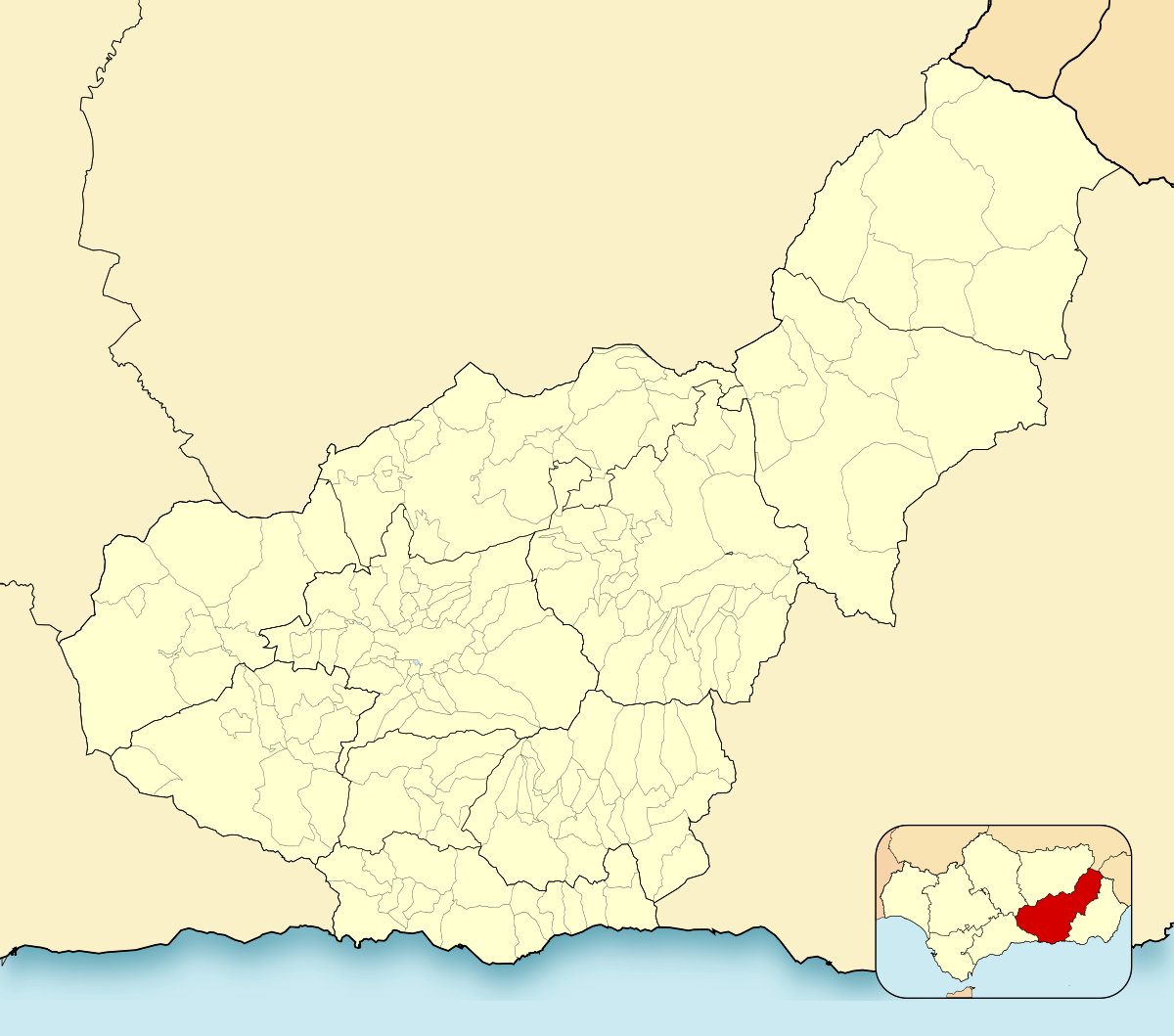

The Alcazaba de Baza was a fortification situated in the urban core of the town of Baza, in the province of Granada. It served as a nearly impregnable fortress at one time, dominating the ancient medina. However, the chronicler Ibn al-Jatib noted that the fortress was located on terrain unsuitable for building foundations due to moisture. Because of this, the walls frequently ruined, and the debris that broke off from them filled the surrounding ditches, reducing the military value of the plaza because it could not withstand a prolonged siege.
Despite these structural issues, Baza was one of the locations that presented the most difficulties during the conquest. A siege lasting over five months eventually led to the delivery of the city. This point of entry enabled the fall of other important villages and cities, such as Guadix and Almeria, opening the path toward the coast of Granada.
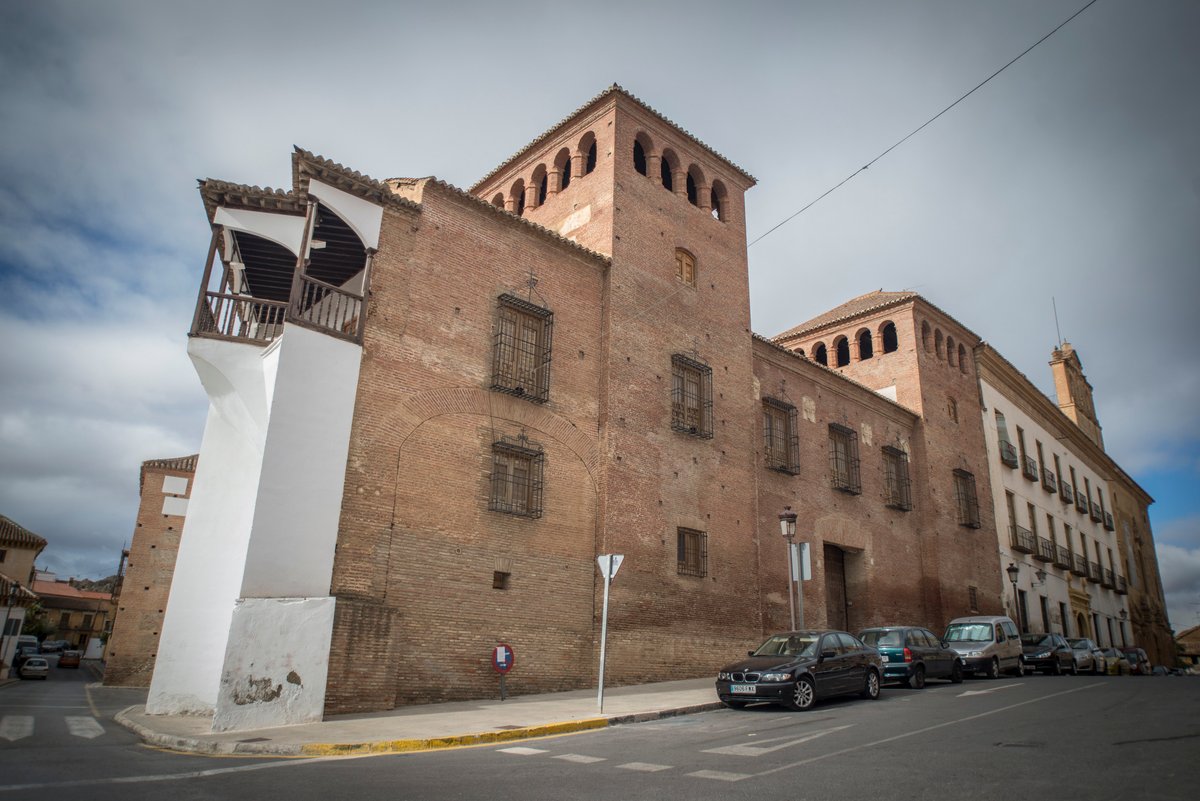
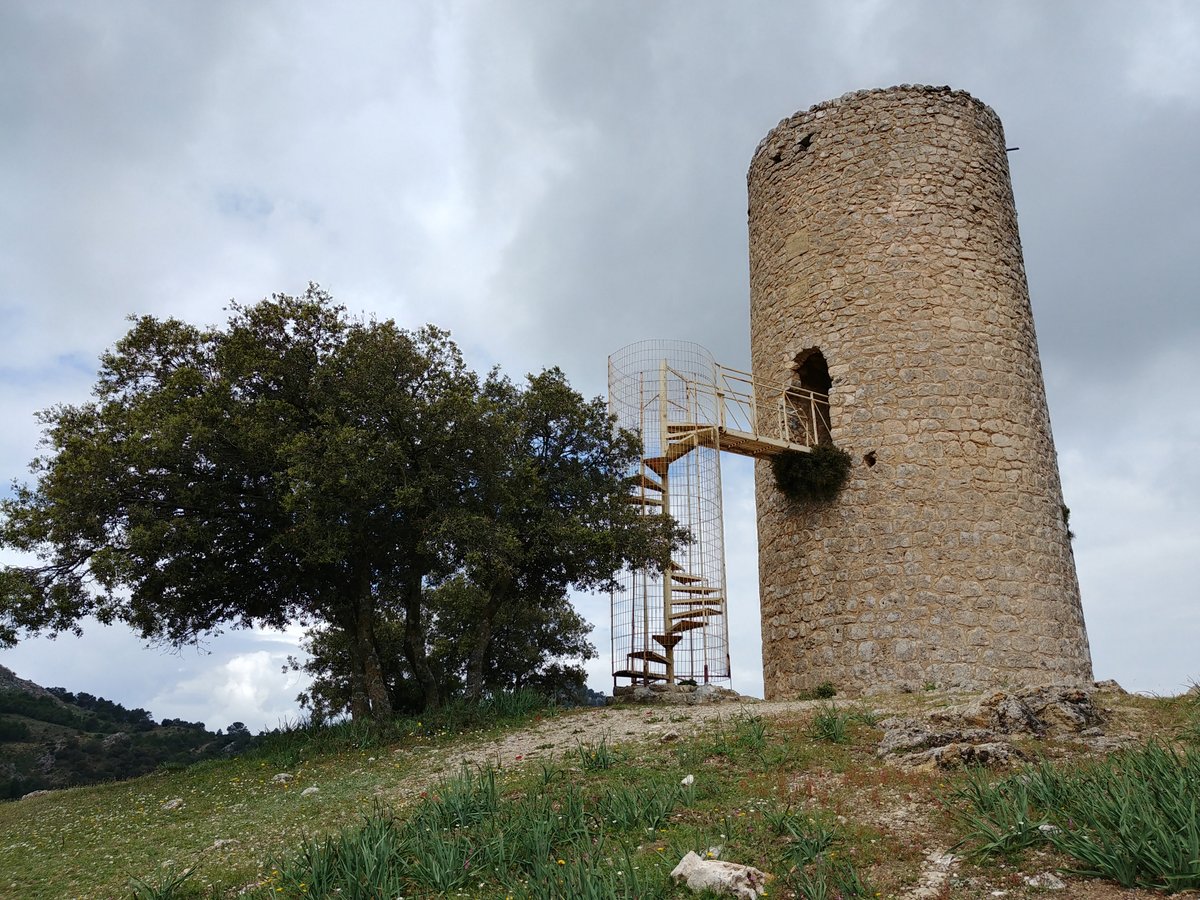
Today, only fragments of the walls and several towers remain in the historical center. The fortifications show three different construction phases: a first phase from the 11th-12th centuries, a second phase, and a final phase from the 16th century. Two powerful earthquakes and urban development starting in the 18th century have profoundly transformed the appearance of the site. The site is currently protected under the Generic Declaration of the Decree of April 22, 1949, and Law 16/1985 on Spanish Historical Heritage.
Sources: Wikipedia, OpenStreetMap, Wikidata, Wikimedia Commons




Written by Nicolo Ciampini
Discuss this with the author and others
No comments yet. Be the first to start the conversation.