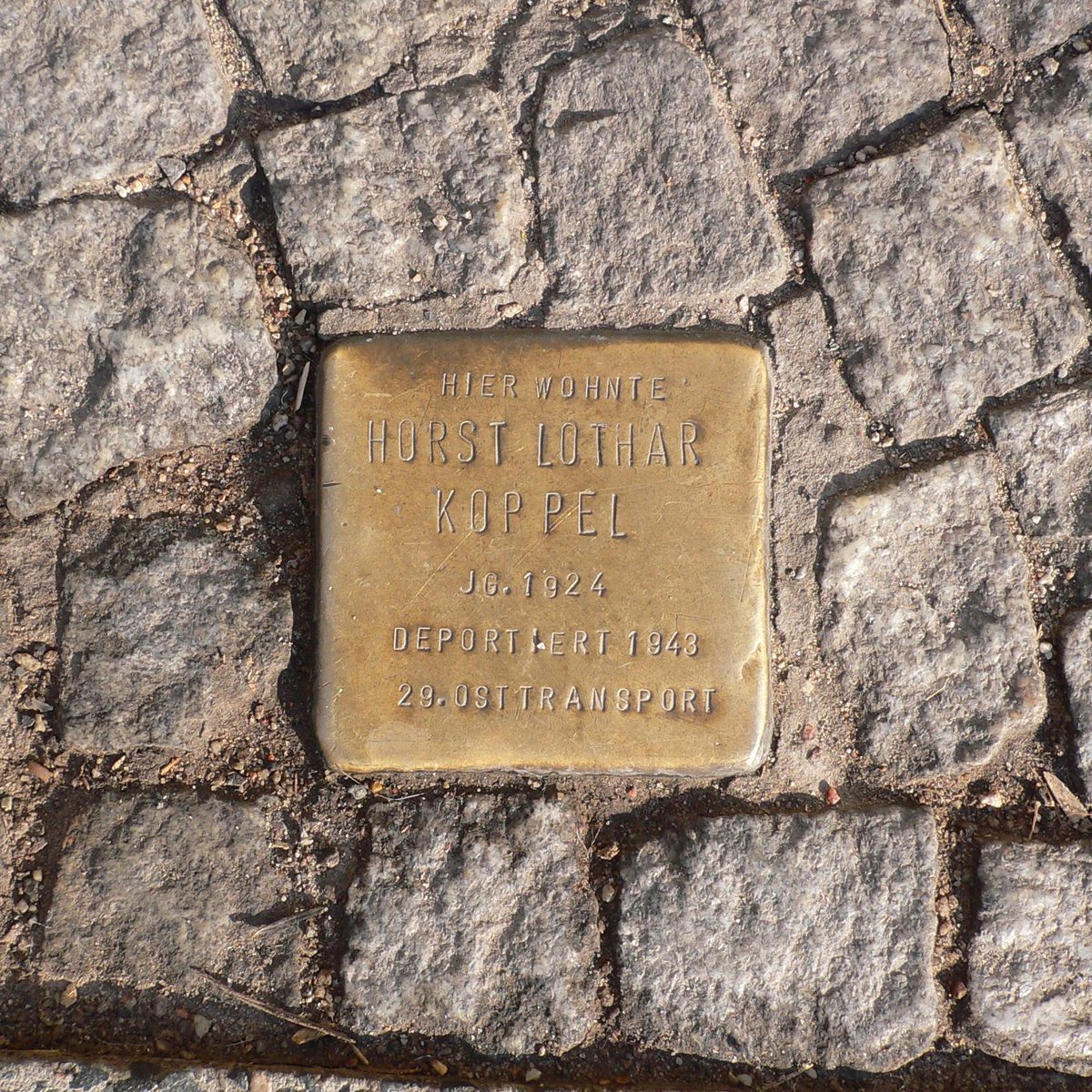

In 1992, the Stolpersteine project was initiated by German artist Gunter Demnig to commemorate victims of Nazi extermination or persecution, primarily Jewish, at the last place they chose to reside, work, or study before they fell victim to Nazi terror. Different from traditional memorials, Stolpersteine were designed to serve as a reminder and a provocation, suggesting the desecration of the memory of the dead when Jewish cemeteries were destroyed in Nazi Germany and gravestones were often repurposed as sidewalk paving stones. Yet, despite their significance, not every city welcomes the setting of Stolpersteine. As of now, over 100,000 Stolpersteine have been laid, making it the largest decentralized memorial worldwide.
Sources: Wikipedia, OpenStreetMap, Wikidata, Wikimedia Commons
Written by Nik Frost
Discuss this with the author and others
No comments yet. Be the first to start the conversation.