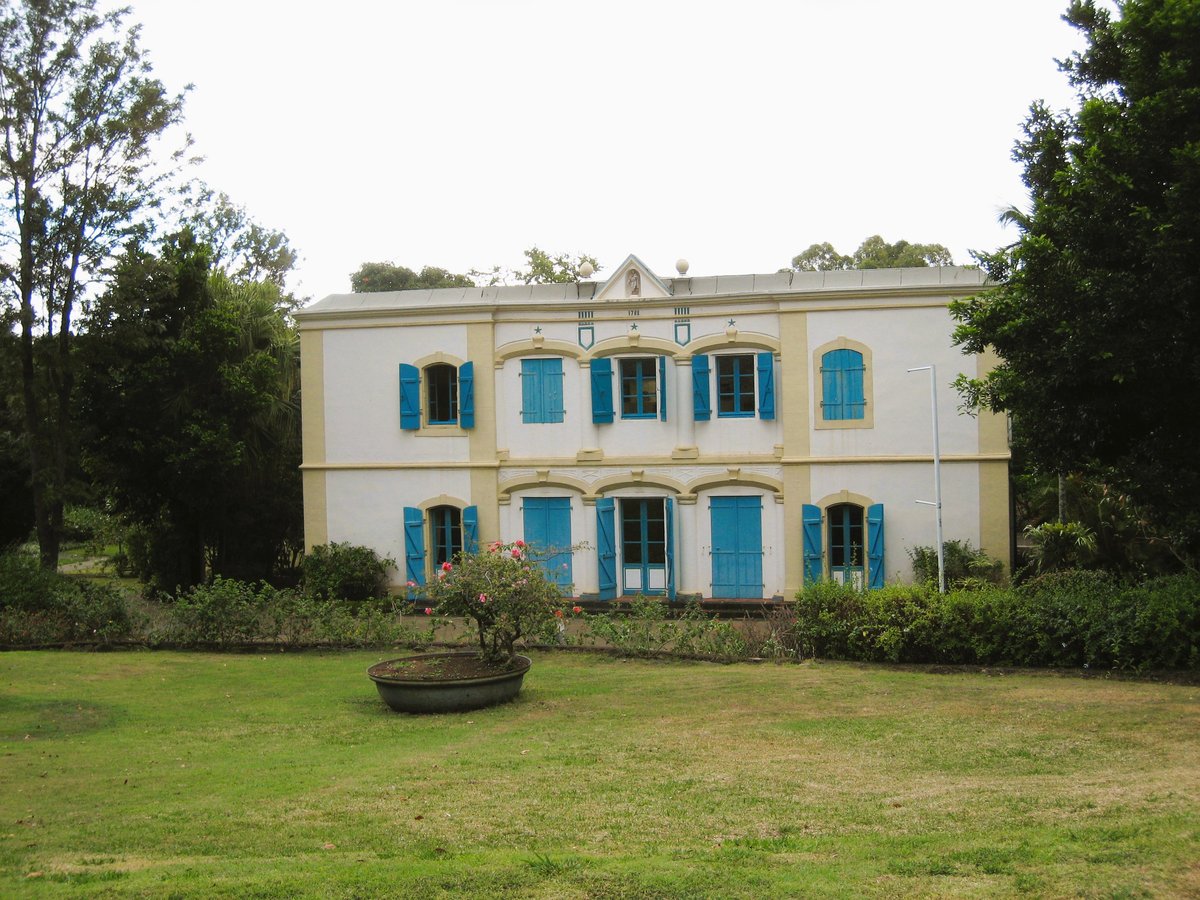

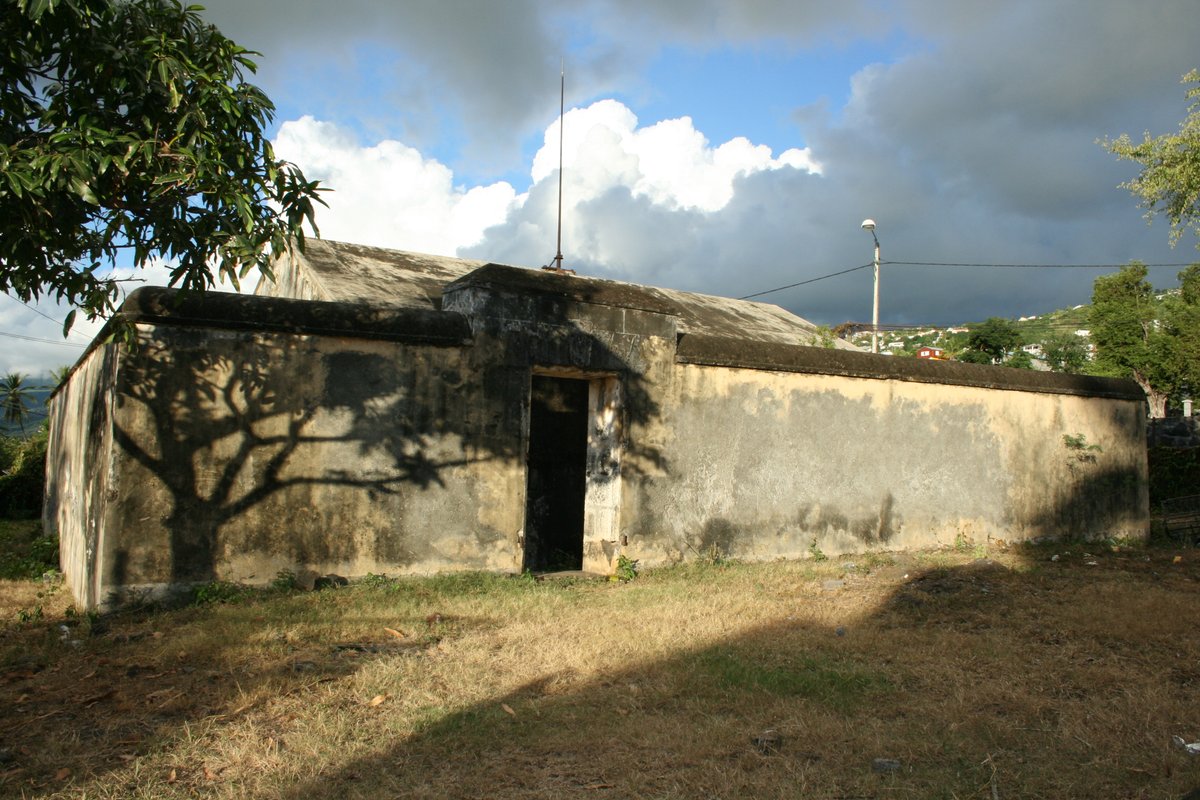
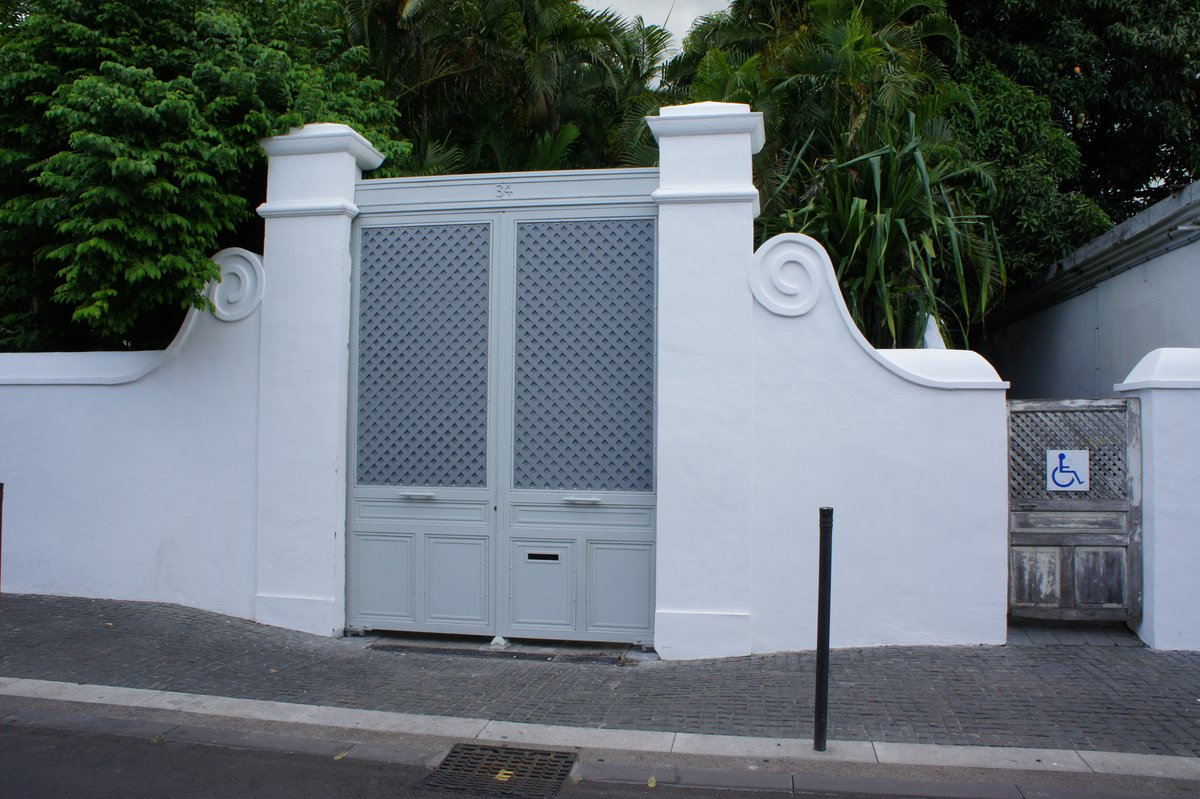
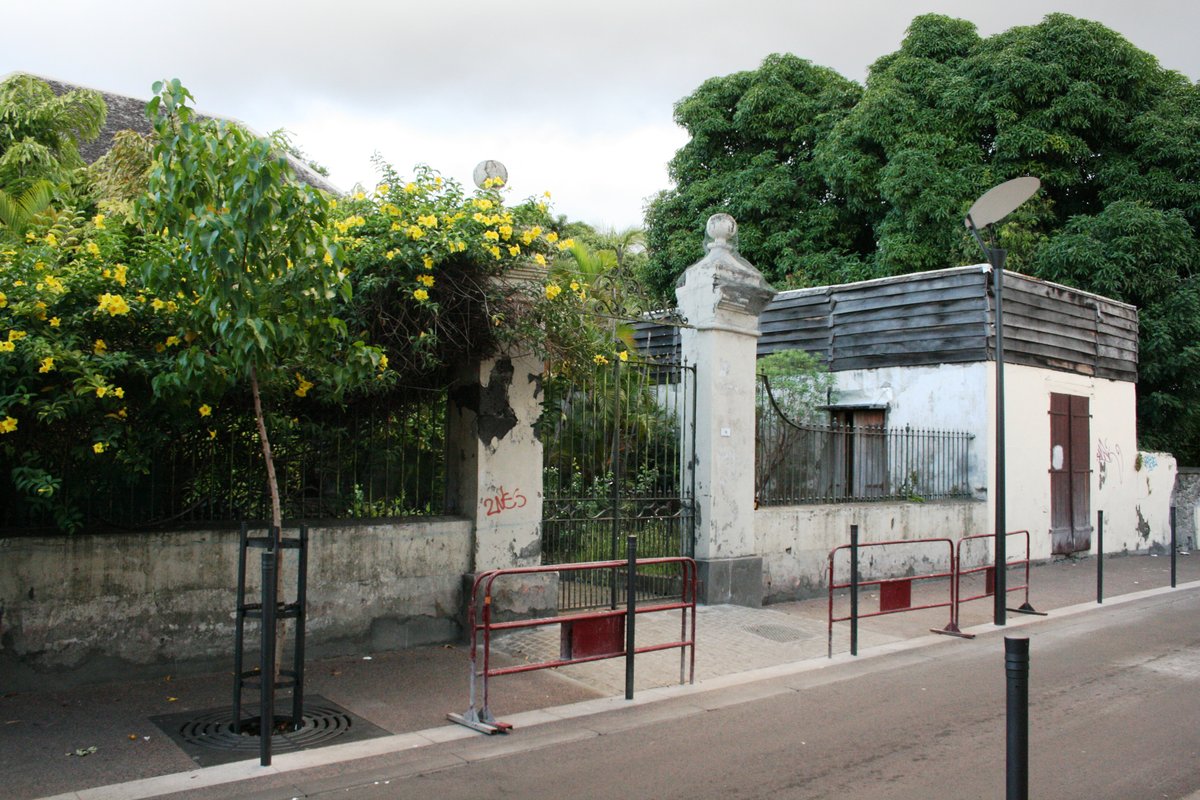
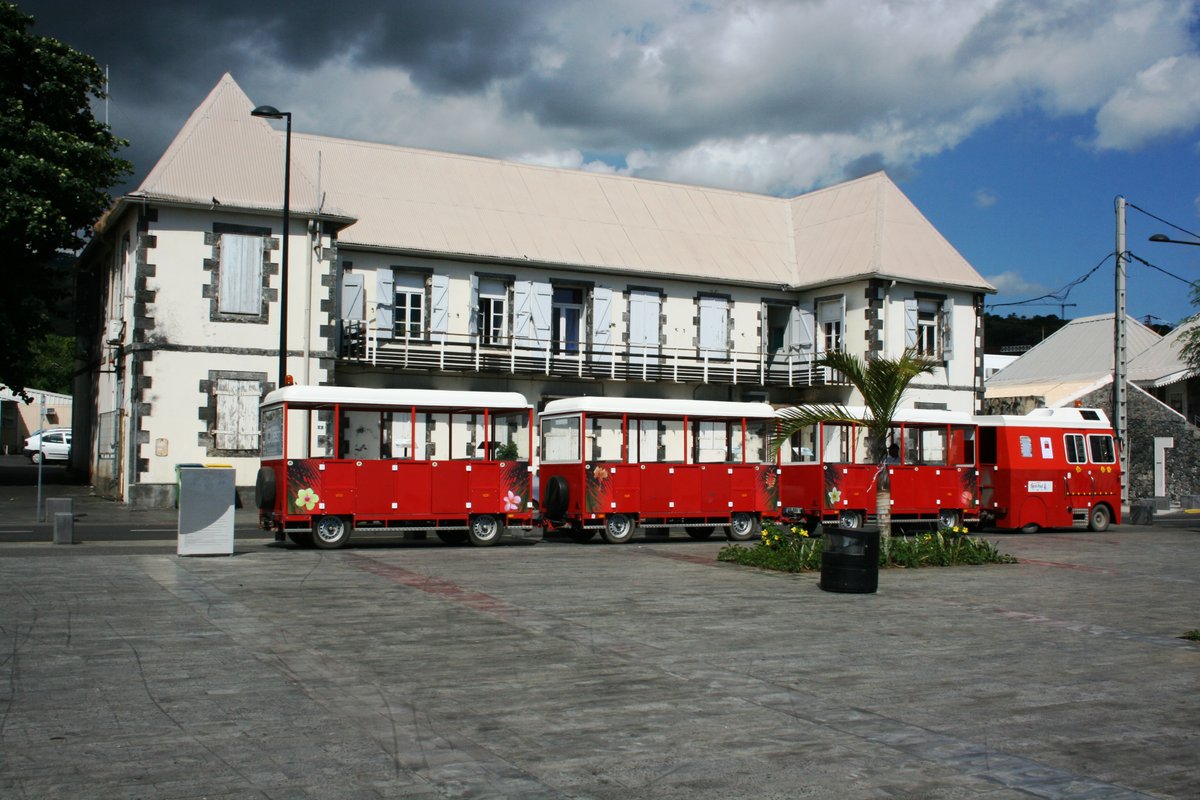
The Domaine de Villèle, initially known as the habitation Desbassayns, is an ancienne habitation agricole coloniale of the island of La Réunion, a French overseas department. Situated in the quarter of Villèle in the commune of Saint-Paul, the estate was inscribed as a monument historique on June 16, 1997, and later classified in December 2019. Formerly owned by the Panon Desbassayns de Richemont family, the domaine currently houses the Musée historique de Villèle, which is typically visited alongside the nearby Chapelle Pointue, also a protected monument historique.
The history of the plantation begins in 1770, when Henri-Paulin Panon Desbassayns, a white Creole officer, returned to his native island after military campaigns and married the wealthy local heiress Marie Anne Thérèse Ombline Gonneau. The lands they inherited formed an ensemble of 190 hectares spread across Saint-Paul, Saint-Leu, Saint-Gilles, and La Grande Ravine. The couple owned 80 slaves, for whom a specific Code noir applied to the island of Bourbon from 1723.
To mark his success and fortune, Panon Desbassayns built the main house of the habitation in 1788. His architecture was inspired by the Palais du Gouvernement (Raj Niwas) of Pondichéry, where he had served as an officer. By 1789, the census recorded the domain at 420 ha, with 348 slaves. During the Révolution française, slavery was first abolished in 1794, though this was rejected by the notables of the island, including Panon Desbassayns. The family proceeded with some manumissions to stabilize the plantation and avoid marronnage.
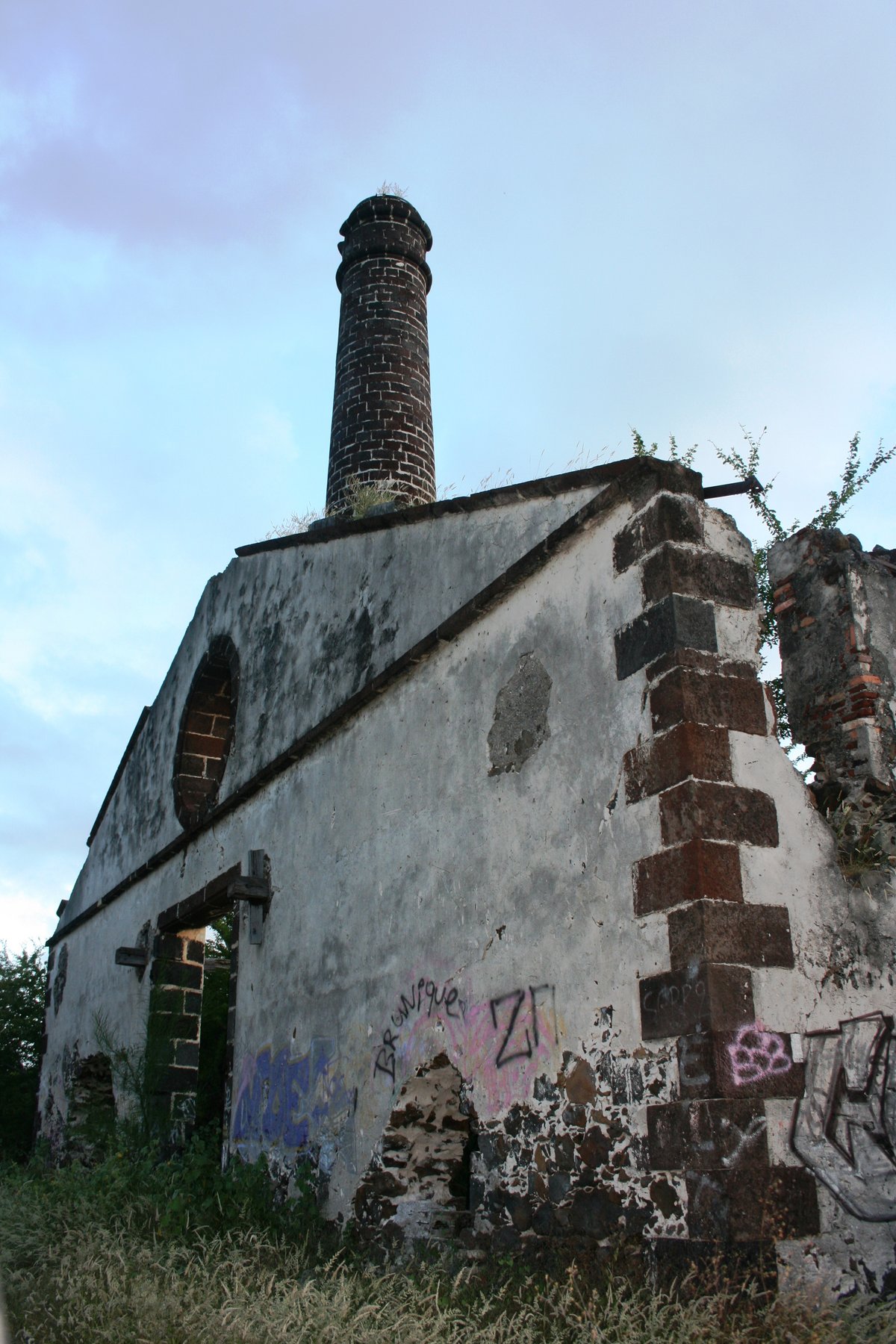
At the beginning of the 19th century, the production of sugar cane was subject to competition from beet sugar and penalizing taxation. To cope, Madame Desbassayns chose to modernize her operation and built a sugar factory in 1822. Equipped with a steam mill for crushing cane, the domaine possessed the most modern factory in the west at that time, allowing it to produce and export sugar. Madame Desbassayns died in 1846 at the age of 90. In the last census before the final abolition in 1848, the plantation counted 417 slaves. Regarding the castes, the largest was that of the Creoles, followed by the Malgaches, then the Mozambicans (Cafres), and finally the Indiens or Malais. At the domaine Desbassayns, the average life expectancy was 49 years for men and 56 years for women.
Sources: Wikipedia, OpenStreetMap, Wikidata, Wikimedia Commons
Written by Mutabor
Discuss this with the author and others
No comments yet. Be the first to start the conversation.