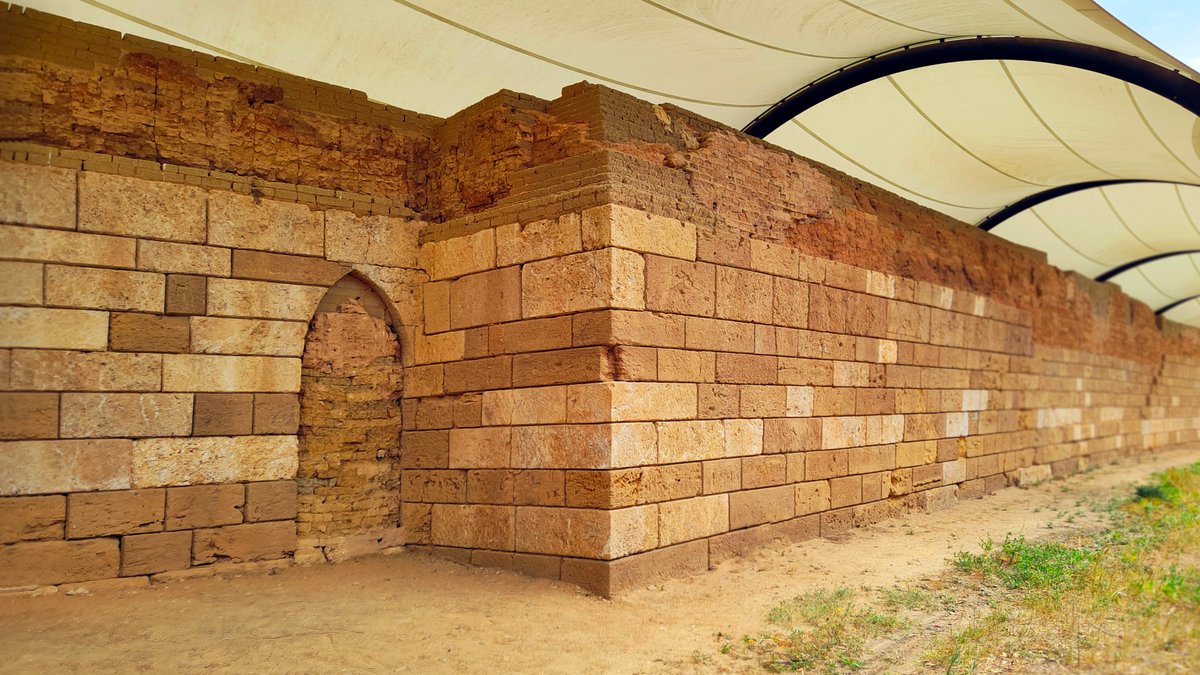

What happens when a man lets his dreams dictate his shovel work? Vincenzo Interlici, a farmer who owned a plot of land covered by high sand dunes, dreamed of a hidden treasure. Fascinated by the thought, he began digging immediately until he saw large squared stone blocks emerge. He did not find gold, but instead discovered the Walls of Timoleon.
Timoleon was a Corinthian military leader from whom the walls take their name. The walls were built in the 4th century BC using a mixed technique: the base consists of two layers of limestone blocks and emplekton, while the superstructure is made of sun-dried mud bricks. They were known for their strength and resistance; the Greek general Agatocle used them as an impregnable outpost in his wars, successfully discouraging attackers.
Have you ever noticed how colors can tell a story? The different shades of mud bricks might suggest new phases of construction, but investigations confirmed the structure was a single project from the Timoleontic period. The color difference is simply due to different sources of material.
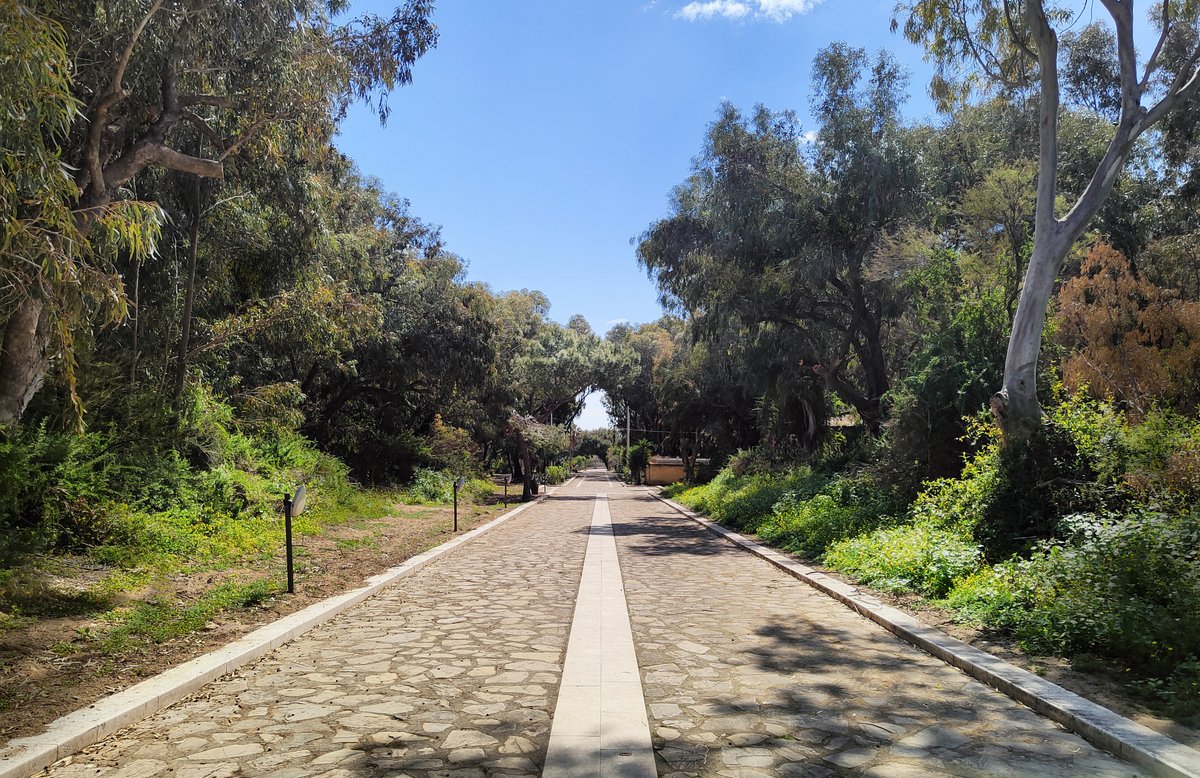
Why does this site still matter today? It remains a vital archaeological area where you can view a 360 meter stretch of the wall and its characteristic elements. Among these are three drainage channels at the base designed to divert rainwater and a peculiar postern with a false pointed arch. The walls are located within a large area that serves as a link between the modern city and the coast, and the park often hosts cultural events such as concerts and theater performances.
Sources: Wikipedia, OpenStreetMap, Wikidata, Wikimedia Commons
Written by Nicolo Ciampini
Discuss this with the author and others
No comments yet. Be the first to start the conversation.