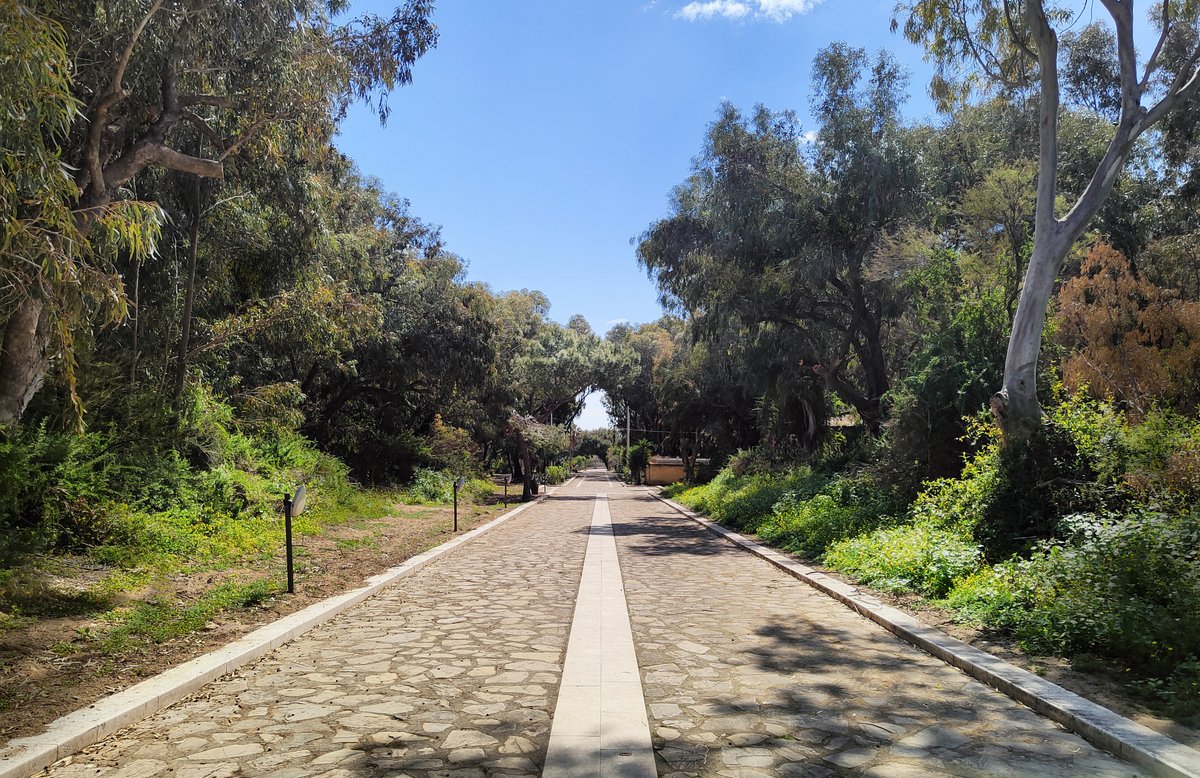

Do you like imagining a Greek trading hub where colonists bartered their belongings? This was the emporium at Bosco Littorio, a site of activity starting in the 7th century BC. Its strategic location, a short distance from the sea and the mouth of the Gela River, made it suitable for numerous commercial exchanges. Then, around 480 BC, the area was abruptly abandoned, perhaps due to a natural event. Traces of a traumatic event are clear from the collapsed walls of some houses, and over the centuries, the site became covered with sand and vegetation.
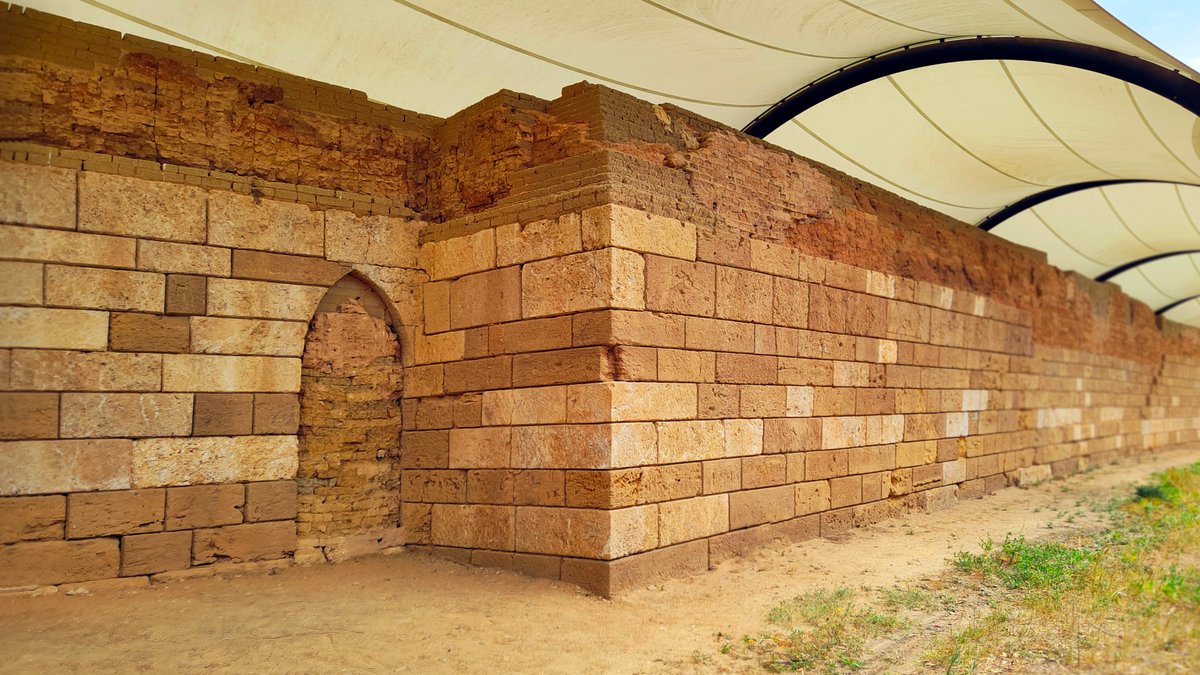
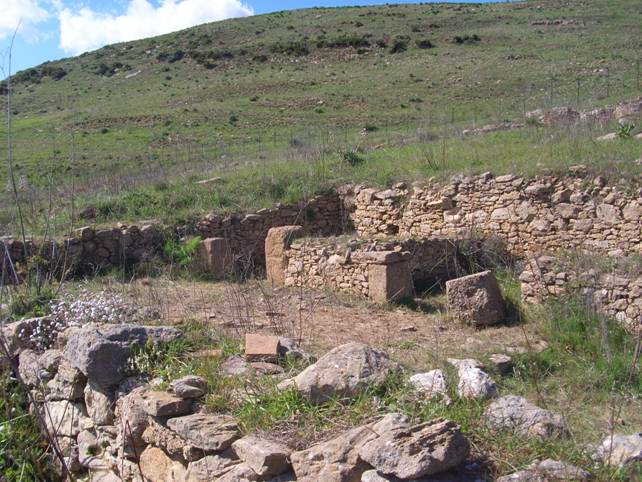
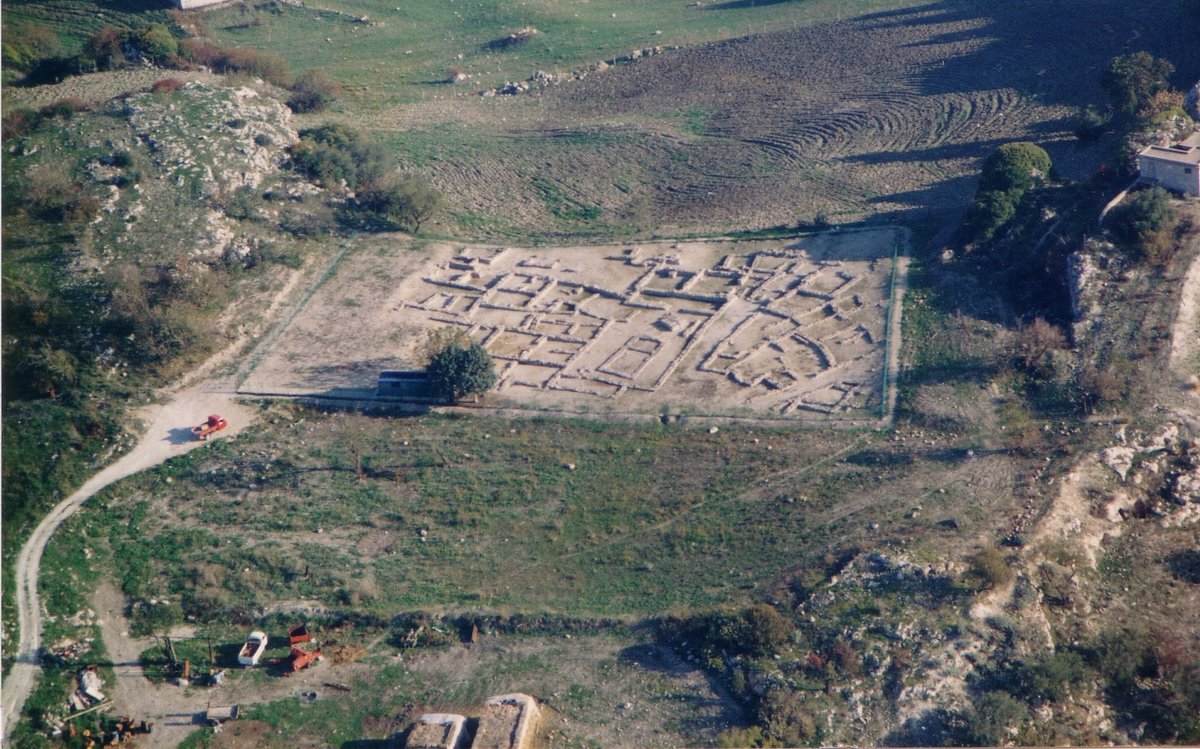
What did the archaeologists find under all that silt? They unearthed more than ten structures featuring regular square rooms. The walls consist of rough sun-dried mudbricks, probably mass-produced since almost all of them have the same measurements of 60 x 60 x 15 cm. You can see the holes where the roof beams used to be, and in many cases, the layers of plaster which covered the interior walls are also preserved. One structure even preserves an entire door, including jambs and architrave.
Where did the ships go? While the physical vessels are missing from the emporium, the nearby Museo dei Relitti Greci displays three of the oldest Greek merchant shipwrecks from the 6th and 5th century BC. Visitors can see the cargo, including rare orichalcum ingots, and use virtual reality to experience the ships' journey. You can visit the archaeological area for free today to see what remains of this ancient economy.
Was there any religious drama left behind? Excavations in 1999 revealed three terracotta altars dating to the 480s BC. These altars feature reliefs of mythological figures: the gorgon Medusa with her children Pegasus and Chrysaor on one, the goddess Eos kidnapping Cephalus, and a triad of female figures. These items are now on display in the Regional Archaeological Museum of Gela.
Sources: Wikipedia, OpenStreetMap, Wikidata, Wikimedia Commons
Written by Nicolo Ciampini
Discuss this with the author and others
No comments yet. Be the first to start the conversation.