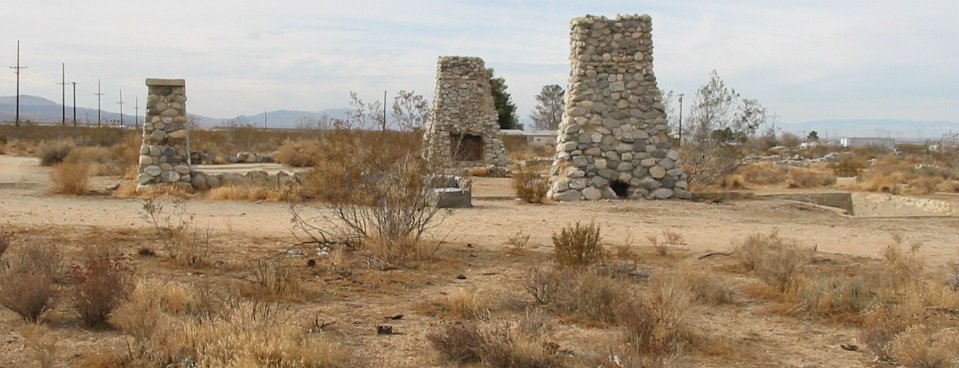
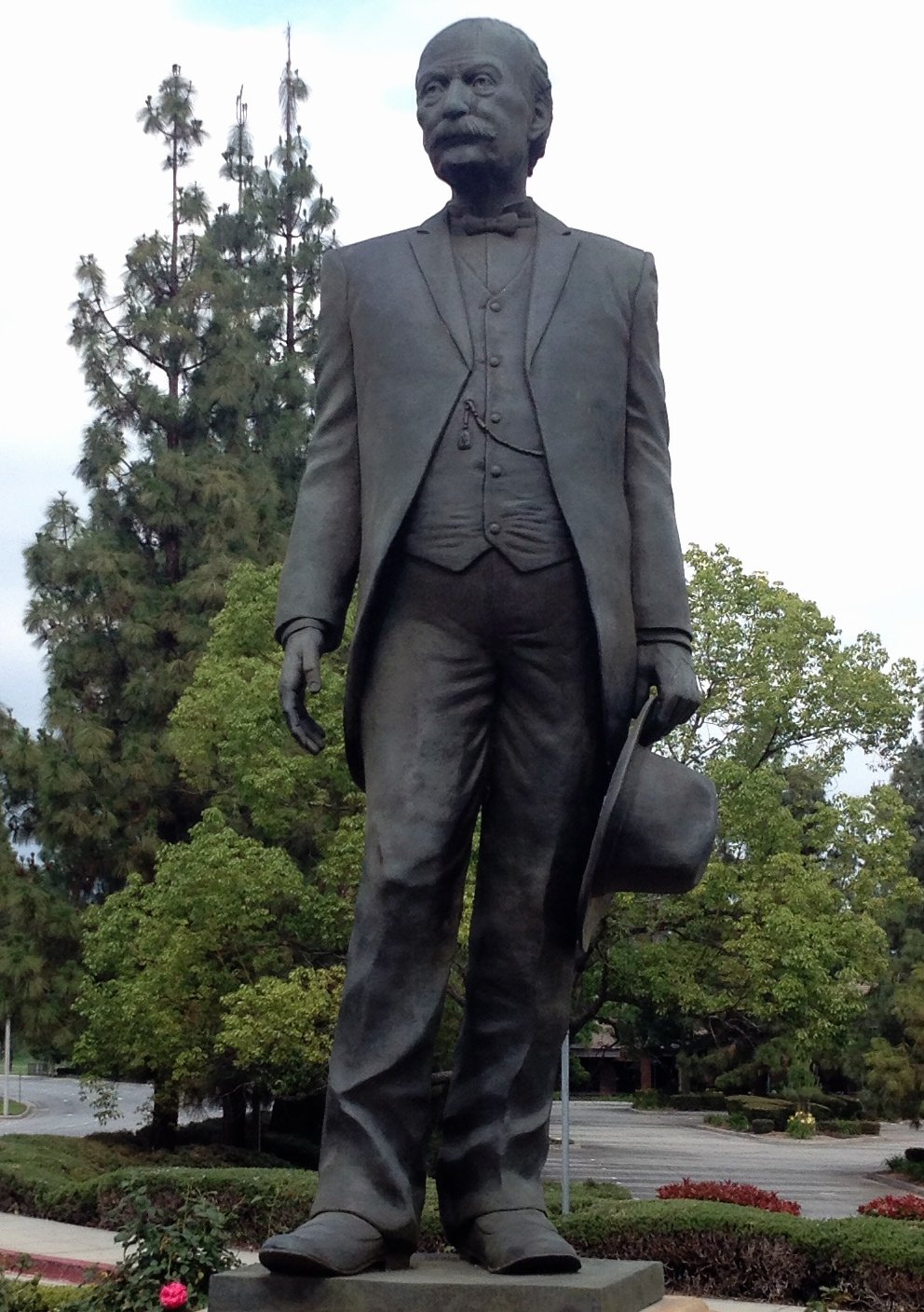
Birthed in the Antelope Valley in 1914, Llano Del Rio was founded by Job Harriman, a lawyer and socialist politician. After a failed bid for mayor of Los Angeles in 1911, Harriman sought to demonstrate the superiority of cooperative economic activity. The colony was planned by Alice Constance Austin, who designed a circular city plan featuring administrative buildings, restaurants, churches, schools, and markets. While the vision included luxury features like heated tile floors and communal daycare, the reality for early colonists consisted of tents and two-room shacks.
The valley contained sites for fruit orchards, alfalfa fields, and vegetable production. While the colony was almost completely self-sustaining internally - boasting a paint shop, poultry yard, and fish hatchery - it remained too far from other settlements and a train depot to develop a sustaining export economy. The water supply from Big Rock Creek proved to be unreliable.
By 1918, the colony was abandoned. Some of the settlers, approximately 60 families in all, relocated to form New Llano, Louisiana. Today, remnants of the original structures, built from local granite boulders and lumber, including a hotel and a small open aqueduct, are still visible at the site.
Sources: Wikipedia, OpenStreetMap, Wikidata, Wikimedia Commons
Written by Leroy
Discuss this with the author and others
No comments yet. Be the first to start the conversation.