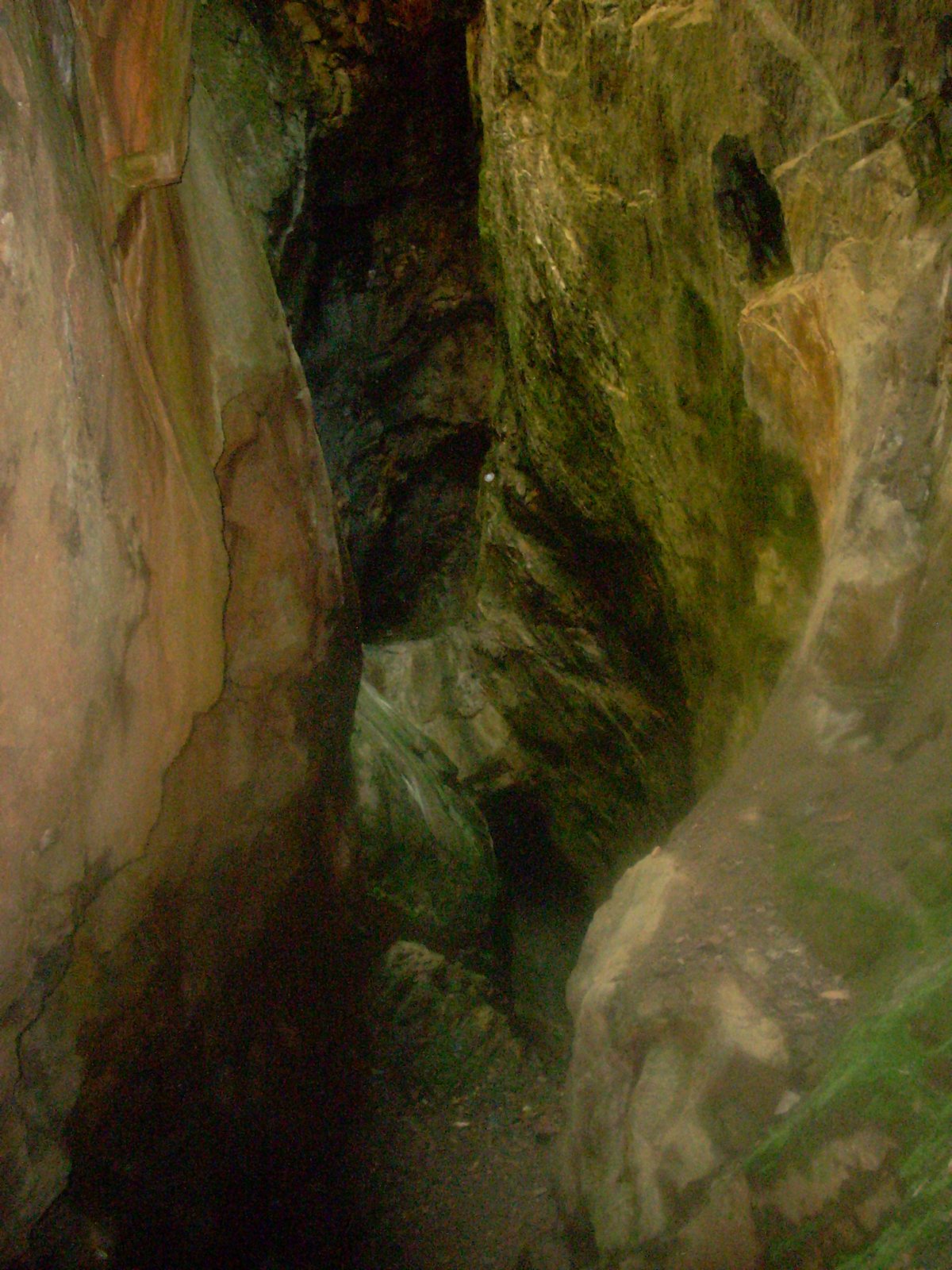
Scraping the surface for placer deposits is basic reconnaissance until you realize the ground is empty. That was the tactical reality in Lumpkin County during the Georgia Gold Rush. By 1880, the low hanging fruit was depleted, forcing the men to breach the hard rock. They identified a massive quartz vein system and designated one specific area as the richest acre.
This objective birthed the Glory Hole shaft. In 1895, a group of investors secured 7,000 acres of land and established the Dahlonega Consolidated Gold Mining Co. to seize the find. They didn't just want to dig; they wanted a full scale industrial takeover. They constructed the largest stamp mill east of the Mississippi directly on the property to process the ore.
The company eventually collapsed in 1906, leaving the lower workings flooded and useless for seventy five years. Current intelligence shows that the cost of extraction from those depths exceeds the actual value of the gold. It is a textbook example of over engineering a losing bet.
While most local mines are strictly off limits due to safety hazards, the Consolidated Mine is the only site with the clearance to host tourists. You can tour parts of the Glory Hole underground and even pan for gold. The site keeps the old gear on display, including original cart rails, electrical lines, and a pneumatic drill that is still waiting for an order to move.
Sources: Wikipedia, OpenStreetMap, Wikidata, Wikimedia Commons

Written by Kyle McLonely
Discuss this with the author and others
No comments yet. Be the first to start the conversation.