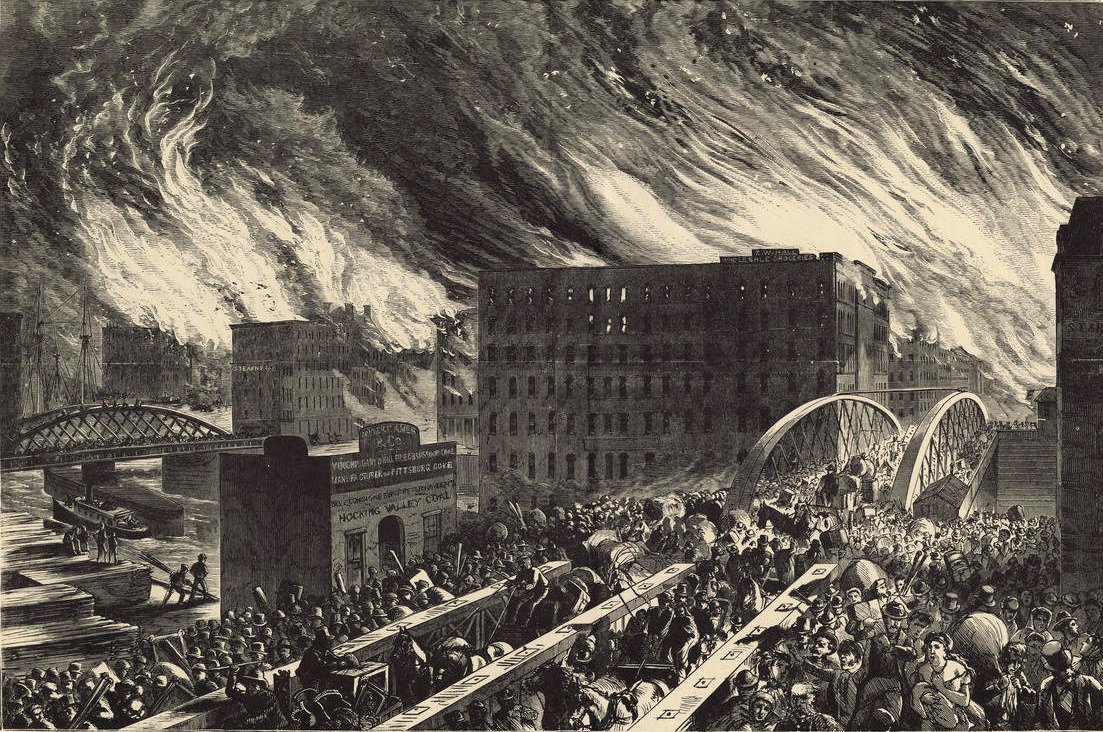
Take a position on West DeKoven Street and visualize a city designed for immediate self-destruction. In 1871, Chicago was essentially a massive pile of firewood ready for a promotion. Because of balloon frame construction, more than two-thirds of the buildings were pure wood. Add in tar roofs and timber sidewalks, and the city was basically a giant fuse waiting for a spark.
Intelligence never identified a definitive primary cause for the blaze. You have the report regarding a guy named Daniel 'Peg-Leg' Sullivan who supposedly tripped a lantern while on a reconnaissance mission for beer. There is also the long-running myth about a cow. The Chicago City Council finally cleared the cow from the suspect list in 1997 by officially exonerating Catherine O'Leary of all blame.
Environmental conditions provided the tactical support. Chicago logged only 1 inch of rain from early July until October, leaving the terrain parched and ready to burn. When the fire struck at 8:30 p.m. on October 8, southwest winds and fire whirls caused the flames to advance rapidly. The fire jumped the Chicago River twice, moving so fast it dried out the water mains after a burning timber hit the waterworks roof.
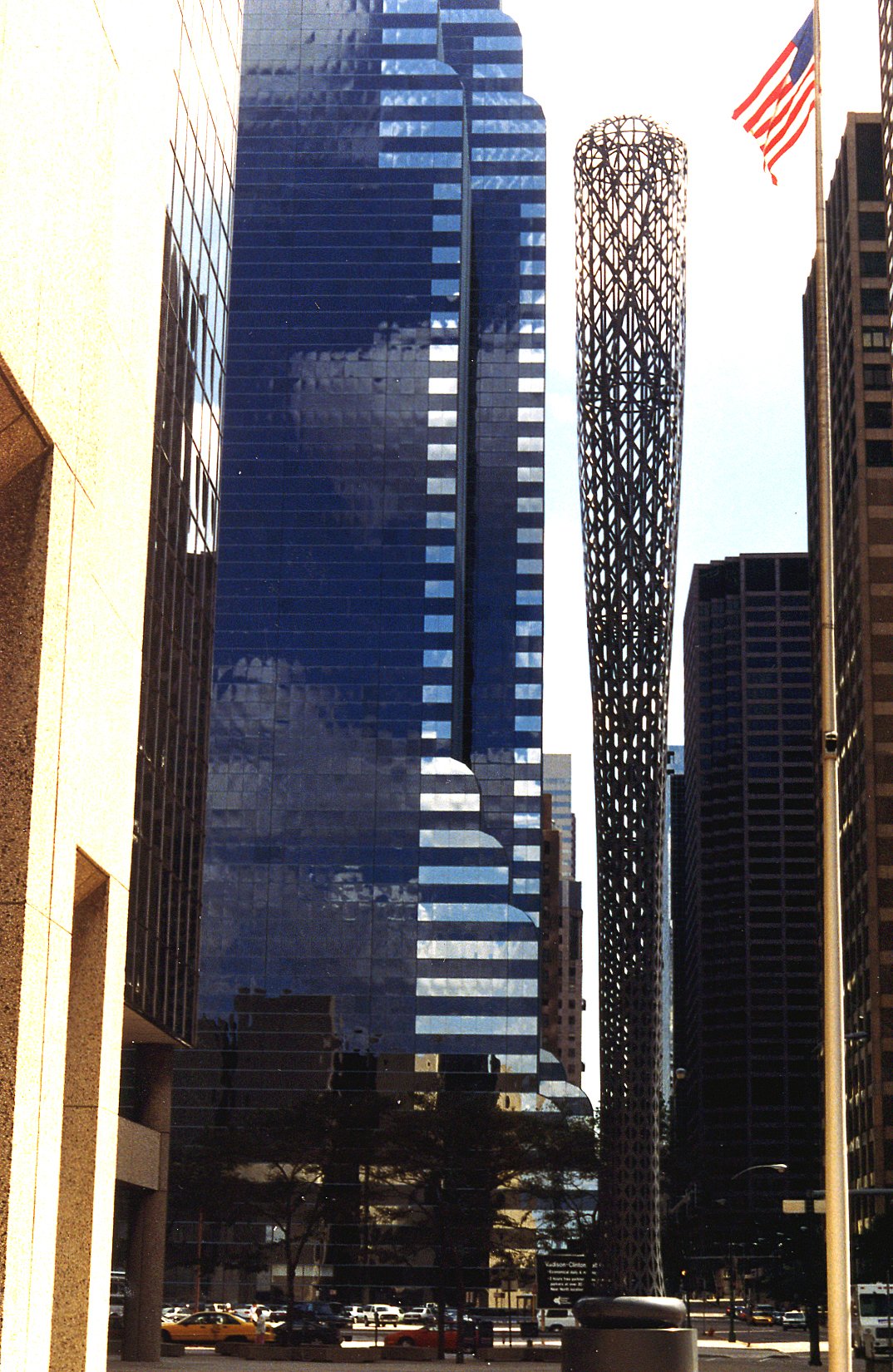
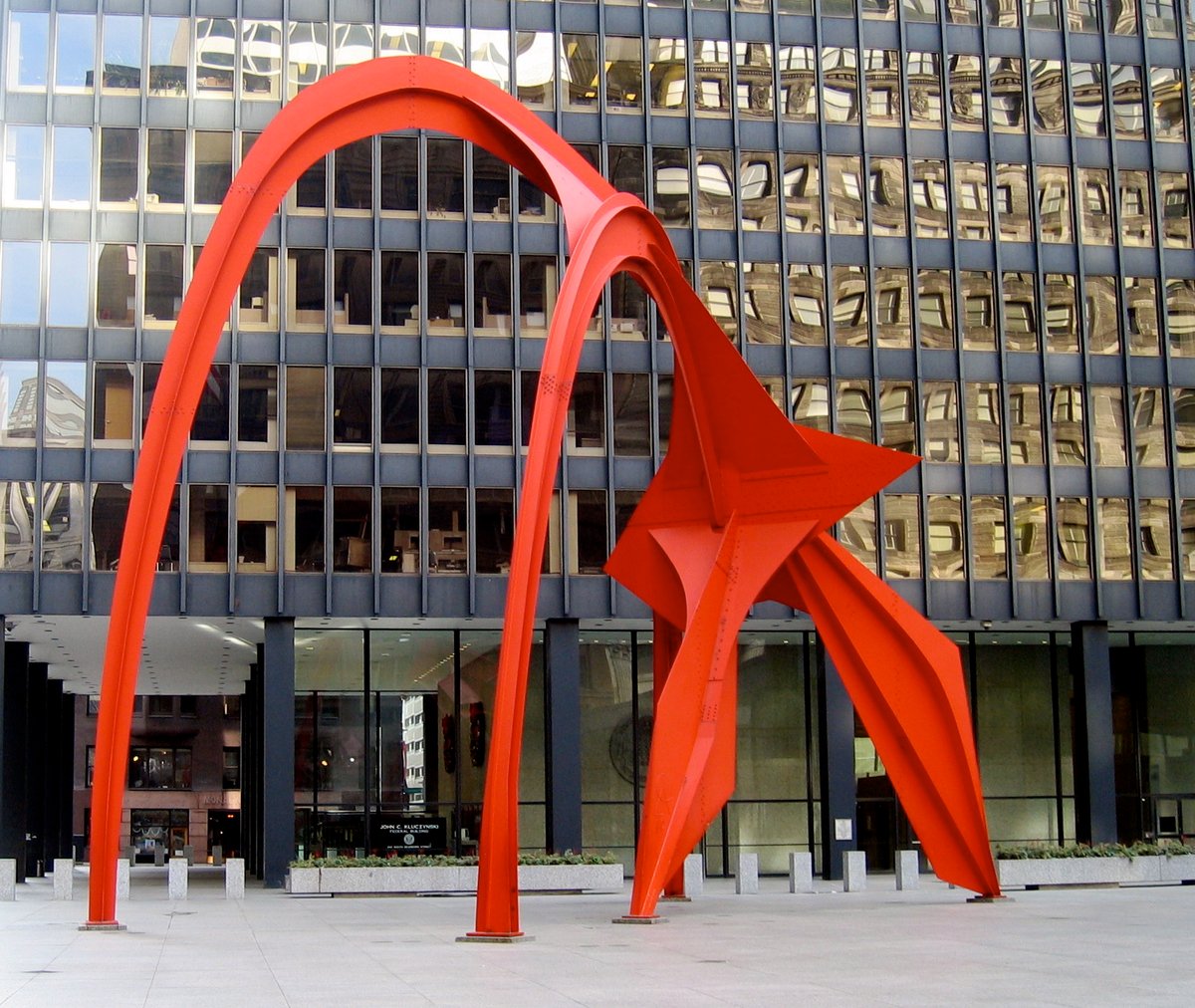
The casualty report shows 300 people dead and over 100,000 civilians displaced from their homes. The fire neutralized 17,000 structures across 3.3 square miles. The government eventually had to enforce strict building codes to prevent the city from spontaneously combusting again. This sculpture serves as a permanent reminder of that logistical nightmare.
Sources: Wikipedia, OpenStreetMap, Wikidata, Wikimedia Commons
Written by Kyle McLonely
Discuss this with the author and others
No comments yet. Be the first to start the conversation.