The Curtiss-Wright Corporation bought 80 square miles of Pennsylvania wilderness in 1955 to establish a site for developing nuclear-powered jet engines. They named the facility Quehanna after the nearby West Branch Susquehanna River. This name traces back to the Susquehannocks who occupied the land before the United States purchased it in 1784.
The situation became complicated once Curtiss-Wright vacated the premises in 1960. A succession of tenants further contaminated the nuclear reactor facility and its hot cells with strontium-90 and cobalt-60. The manufacture of radiation-treated hardwood flooring continued at the site until 2002.
Pennsylvania reacquired the property in 1963 and 1967, establishing a wild area in 1965 despite the presence of the industrial complex. It required over eight years and $30 million to clean the reactor and hot cells. The state finally demolished the facility and terminated the nuclear license in 2009.
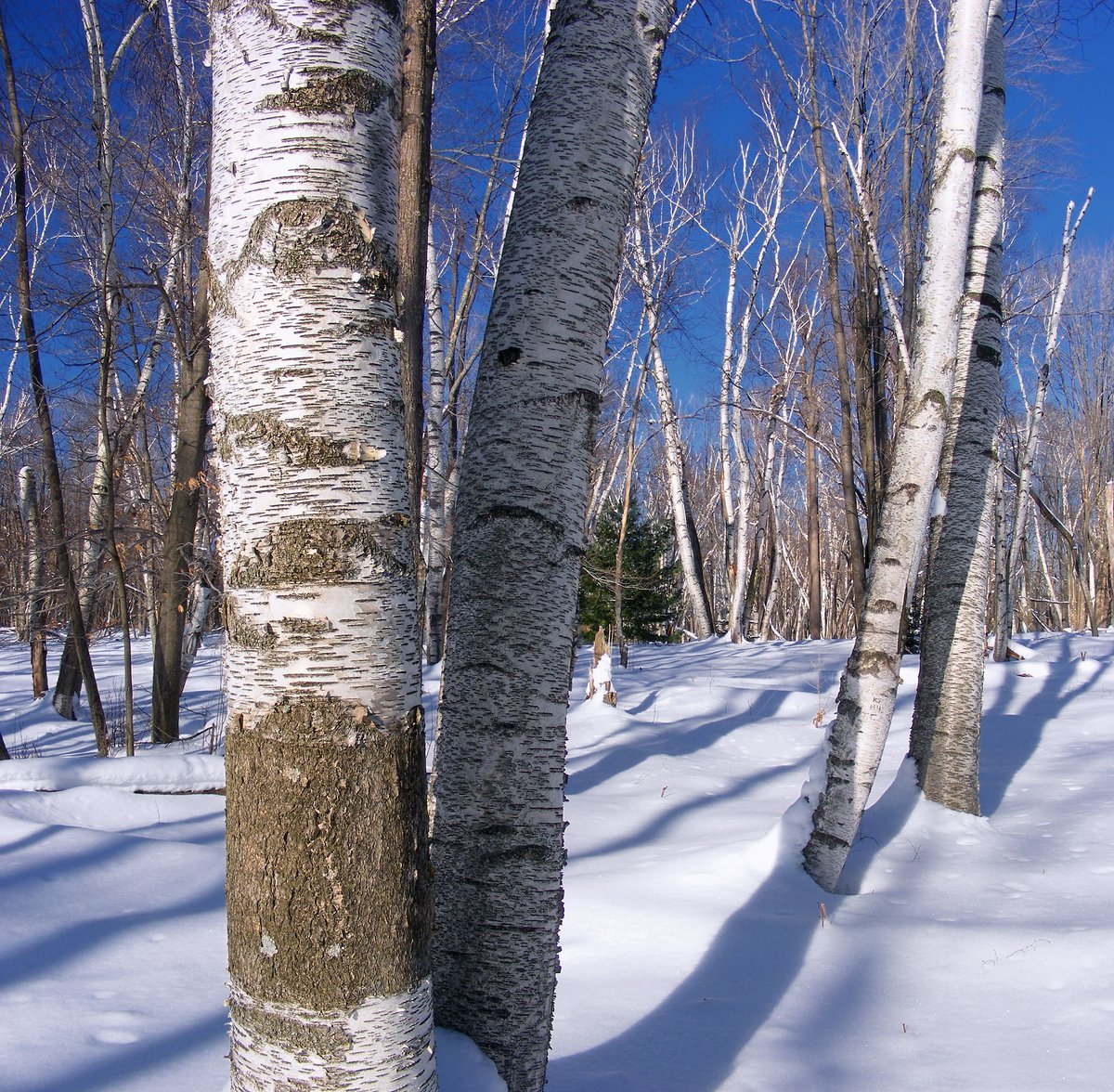
Since 1992, the industrial complex has hosted the Quehanna Motivational Boot Camp, a minimum-security prison, which is scheduled to close in 2026. Today, the Quehanna Wild Area is a protected space featuring mixed hardwoods and evergreens, including the largest stand of white birch in the eastern United States.
Sources: Wikipedia, OpenStreetMap, Wikidata, Wikimedia Commons
Written by Kyle McLonely
Discuss this with the author and others
No comments yet. Be the first to start the conversation.