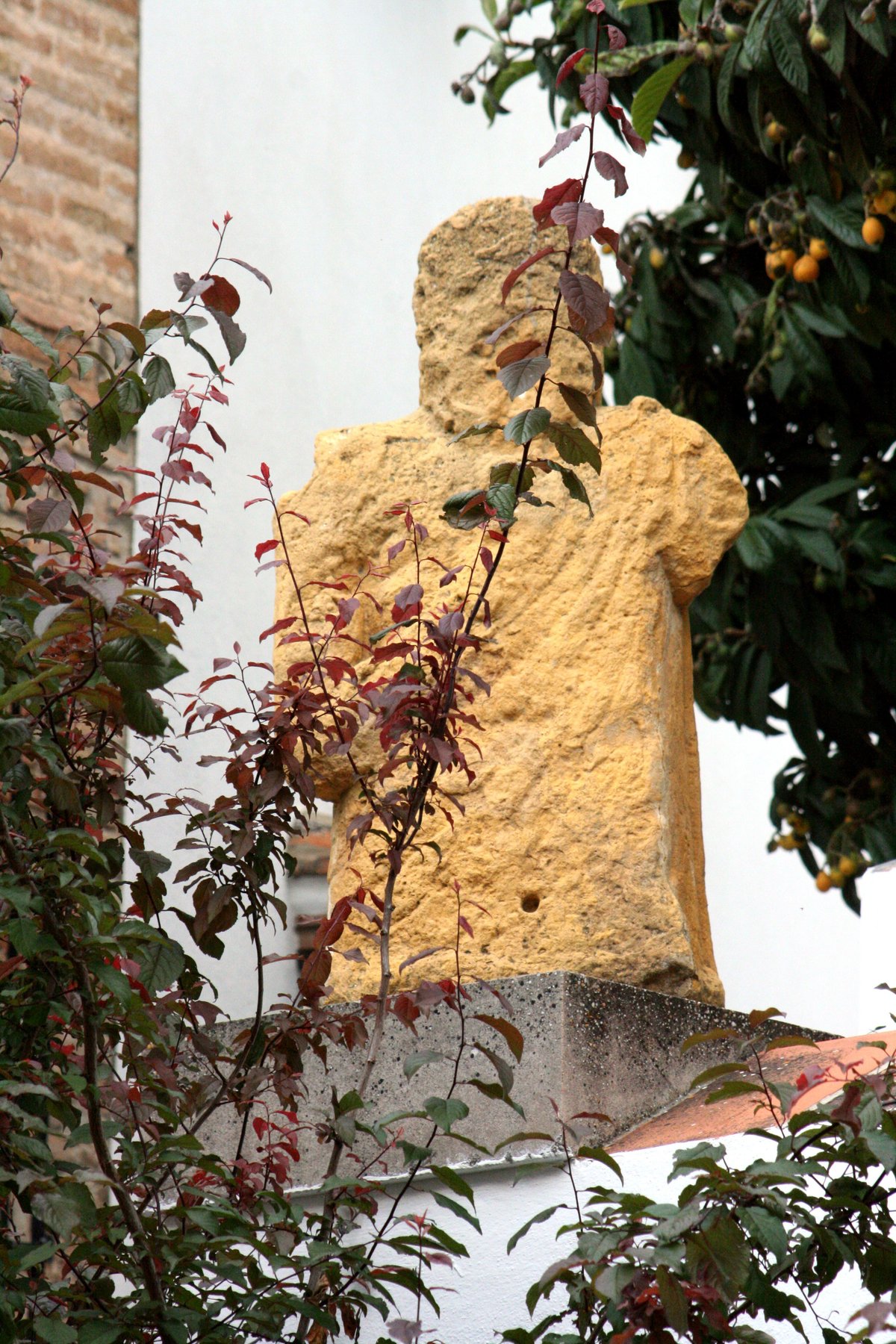

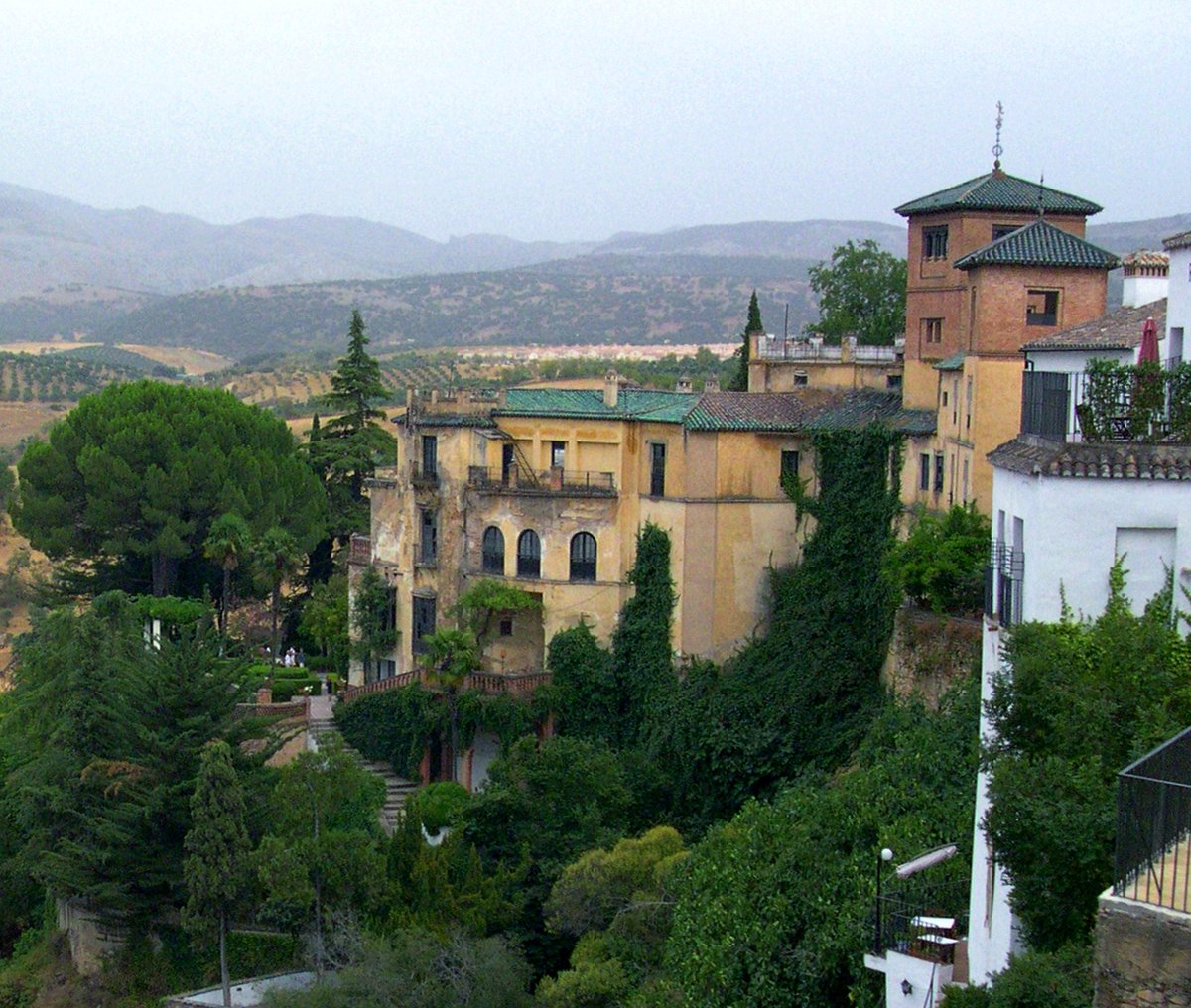
Nestled in the historic sector of Ronda, the house known as Casa del Gigante - 'the giant's house' - is a private residence built between the late 13th and early 14th centuries. Its design is oriented toward the East, mirroring the structures of Granada and the Magreb. It is considered a small palace and one of the best-preserved examples of Nasrid architecture.
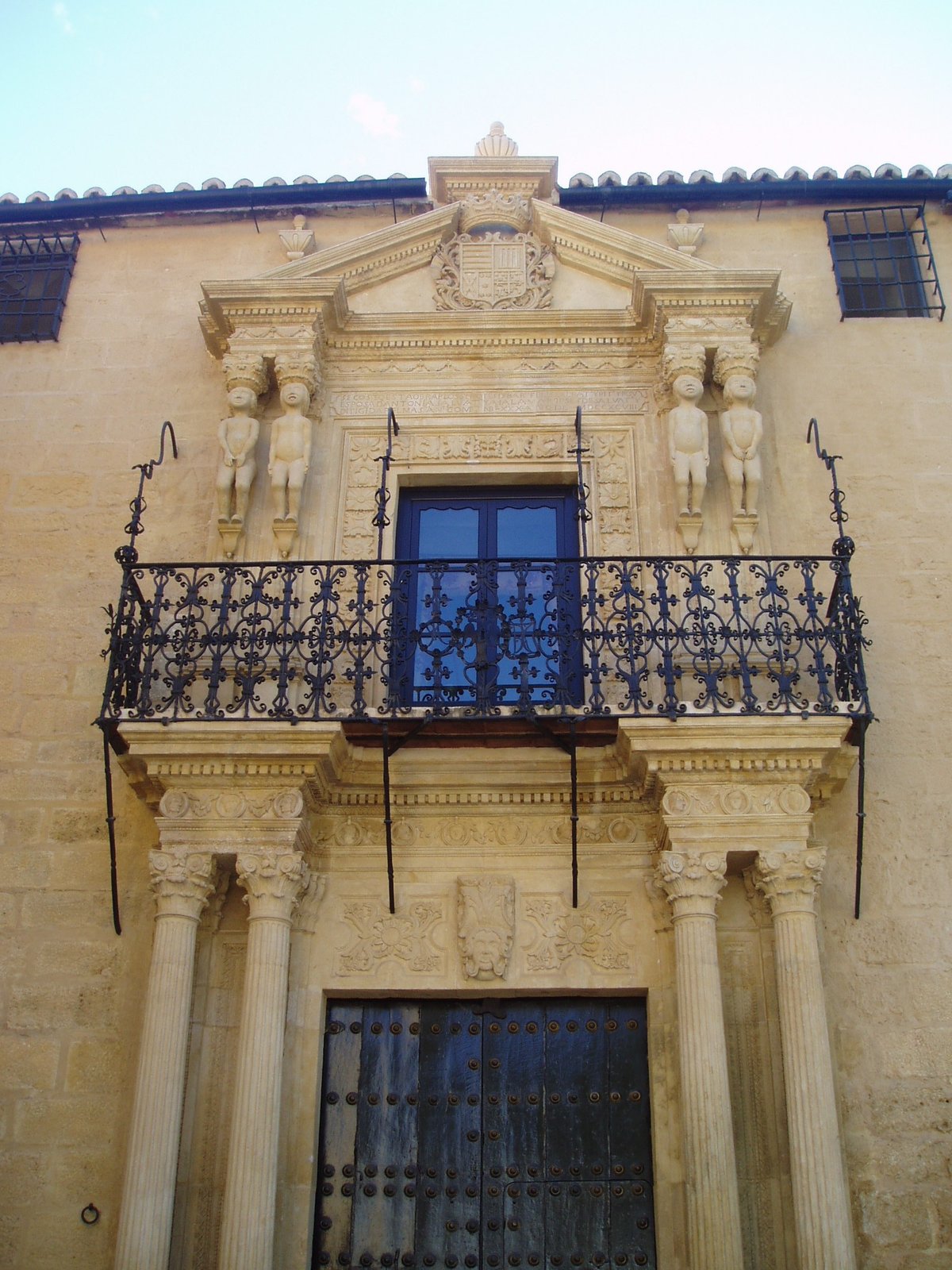
The name refers to two large anthropomorphic stone reliefs that once decorated the corners of the building. Today, only one of these reliefs remains, and its shape is barely discernible. While the structure has been modified, it retains its original layout, which features rooms arranged around a central courtyard with a pool. The entrance to the north hall is decorated with ataurique and cursive inscriptions, along with remains of polychromy and plasterwork similar to those on the Puerta del Peinador in the Alhambra, dating back to the 14th century.
The palace was originally the property of an important figure of the Merinid nobility. After the conquest of Ronda by Ferdinand the Catholic, it passed to Ruy Gutiérrez de Escalante, later to Rodrigo de Ovalle, and in the mid-17th century to Fernando Reynoso. During the time of Reynoso, literary references indicate that ancient sepulchers with inscriptions and cinerary vases, presumably Roman, were found inside the house. In the 19th century, the building served as a house for foundlings.
In the 20th century, it returned to private ownership, and in the 21st century, it was rehabilitated to serve as a testimony to the architecture of the final period. It was opened to the public in 2004 and has served as a center for interpreting daily life since 2015. The house is listed in the database of Andalusian Immovable Heritage (IAPH).
Sources: Wikipedia, OpenStreetMap, Wikidata, Wikimedia Commons





Written by Nicolo Ciampini
Discuss this with the author and others
No comments yet. Be the first to start the conversation.