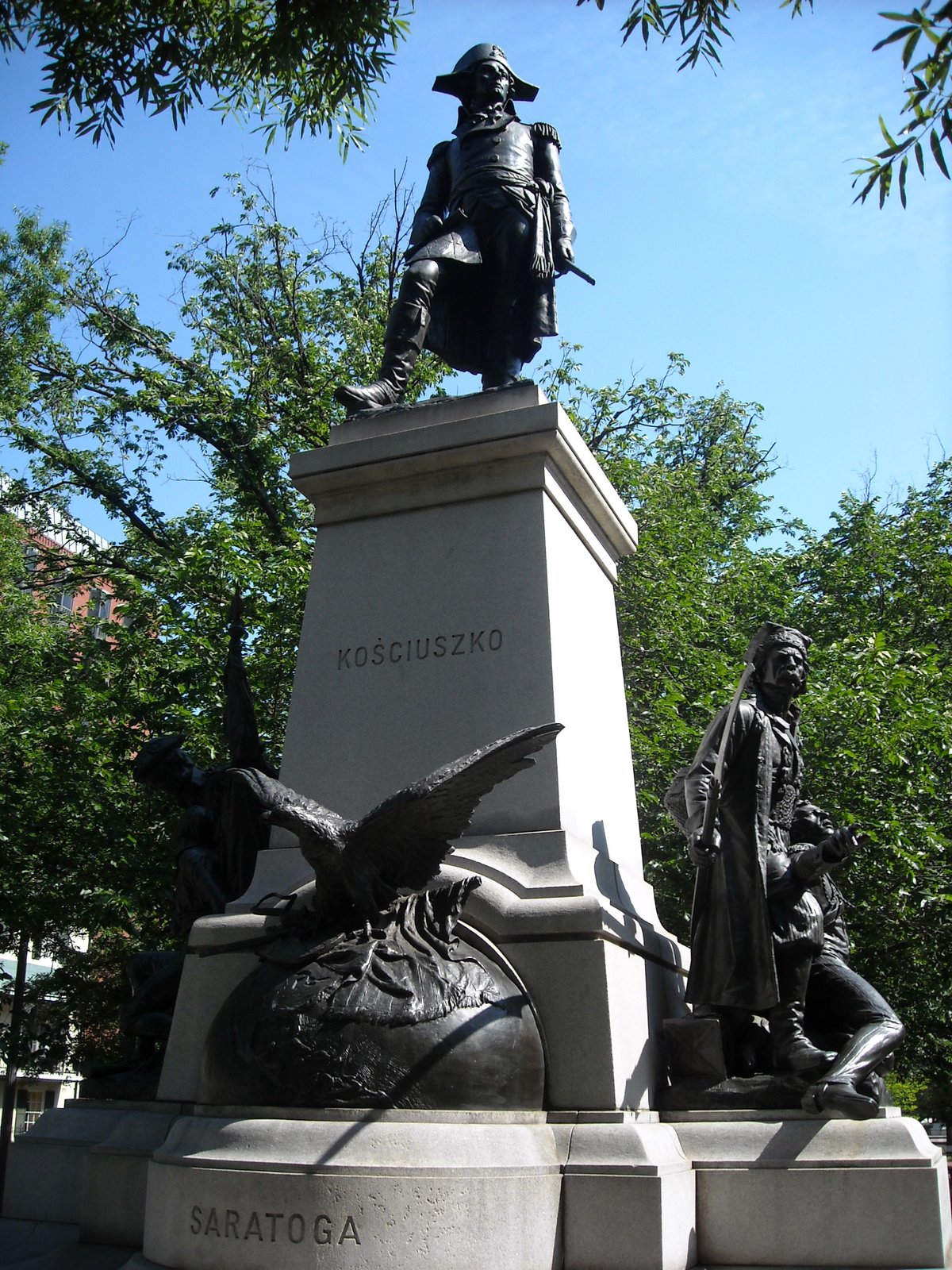
Tadeusz Kościuszko wasn't just another name on a monument. He was an engineer who moved to the Thirteen Colonies in 1776 and served in the Continental Army. General George Washington and others recognized his skill, using his expertise at Fort Ticonderoga, Mount Independence, and during the Battles of Saratoga.
He didn't stop at the American Revolution. He headed home to the Polish-Lithuanian Commonwealth and tried to kick out the Prussians and Russians. He failed, got tossed in a prison for two years, and was only released on the condition that he return to the United States. He played it smart, slipped back to Europe in 1798 under an alias, and eventually died in Switzerland.
When it came time to build a monument in Lafayette Square, the Polish National Alliance asked the U.S. Congress for a memorial to Casimir Pulaski. President Theodore Roosevelt preferred a statue of Kościuszko over Pulaski. After a competition among sculptors, Antoni Popiel was chosen to design the statue.
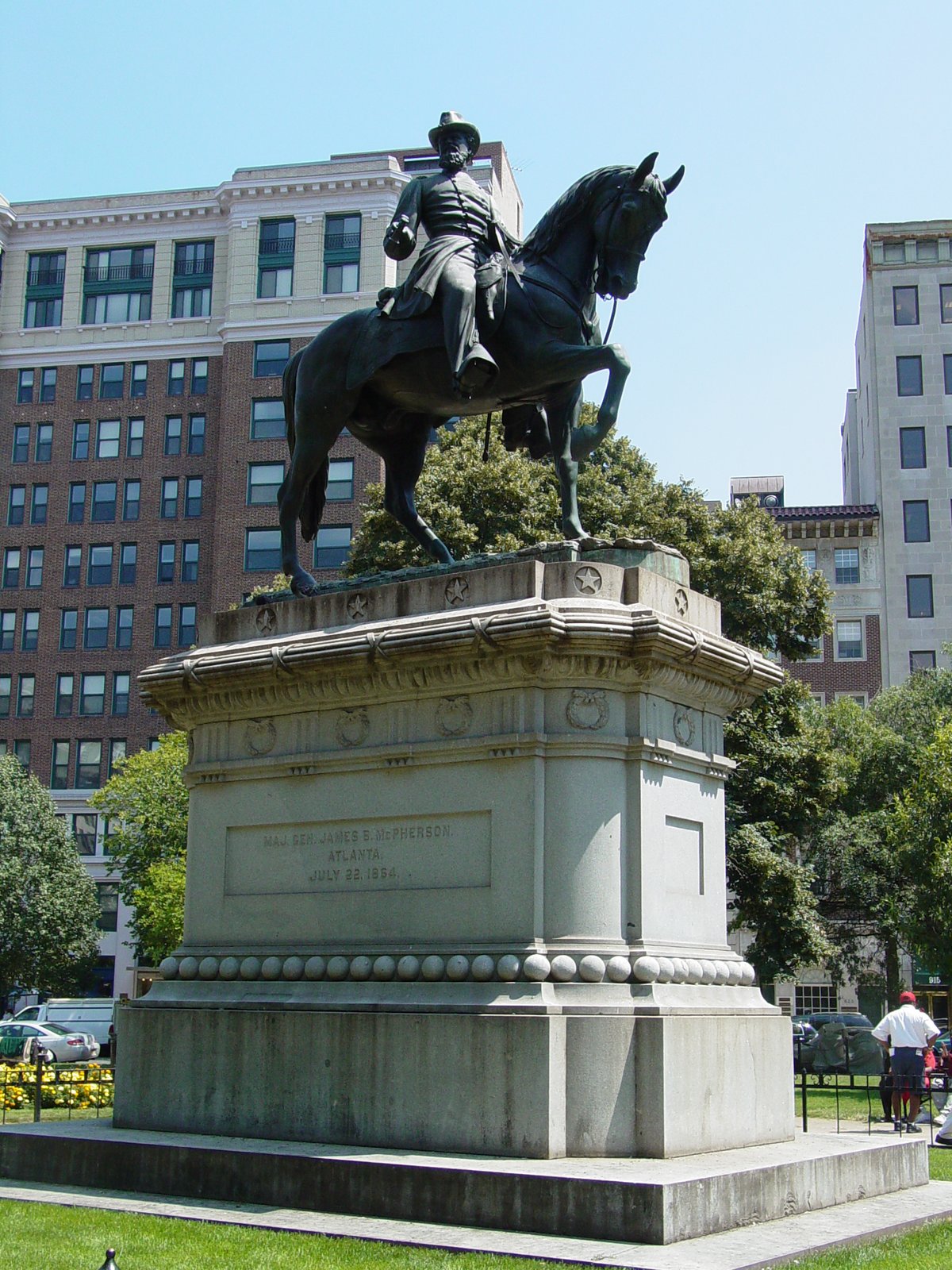
If you visit today, you will see the seven-metre statue dedicated in 1910. It sits alongside the equestrian statue of Casimir Pulaski, which was unveiled on the same day. Approximately 15,000 Polish Americans attended the dedication ceremonies, where President William Howard Taft spoke.
Sources: Wikipedia, OpenStreetMap, Wikidata, Wikimedia Commons
Written by Kyle McLonely
Discuss this with the author and others
No comments yet. Be the first to start the conversation.