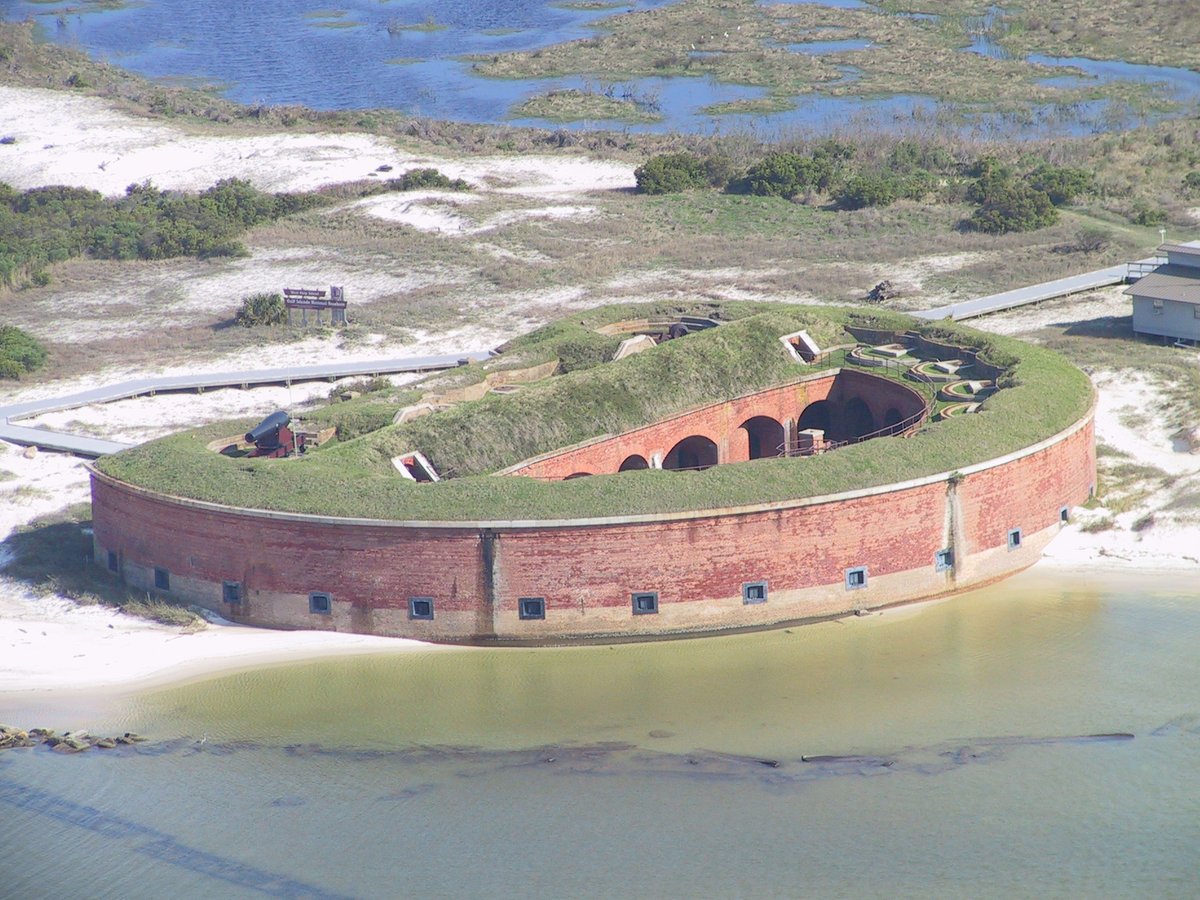
The Army Corps of Engineers supervised the construction of the fort, which began on Ship Island in June 1859 to protect the Gulf Coast. By early 1861, the walls reached between 6 and 8 feet above the sand, but the project faced a change when Mississippi seceded from the Union in January 1861.
The militia seized the island first, and then Confederate troops returned in June 1861 to mount cannons. The fort's only military involvement occurred on July 9, 1861, when the USS Massachusetts came within range. A 20-minute exchange of cannon fire followed, resulting in few injuries and little damage to either side.
Civilian workers handled most of the construction, though only the United States government laid bricks in the fort. Between 1859 and 1861, bricks were obtained from Louisiana. From 1861 to 1862, bricks were shipped from New England, down the East Coast, and around the Florida peninsula. After 1865, bricks were again procured in Louisiana. Distinct color differences from these different brick types are still visible on the walls today.
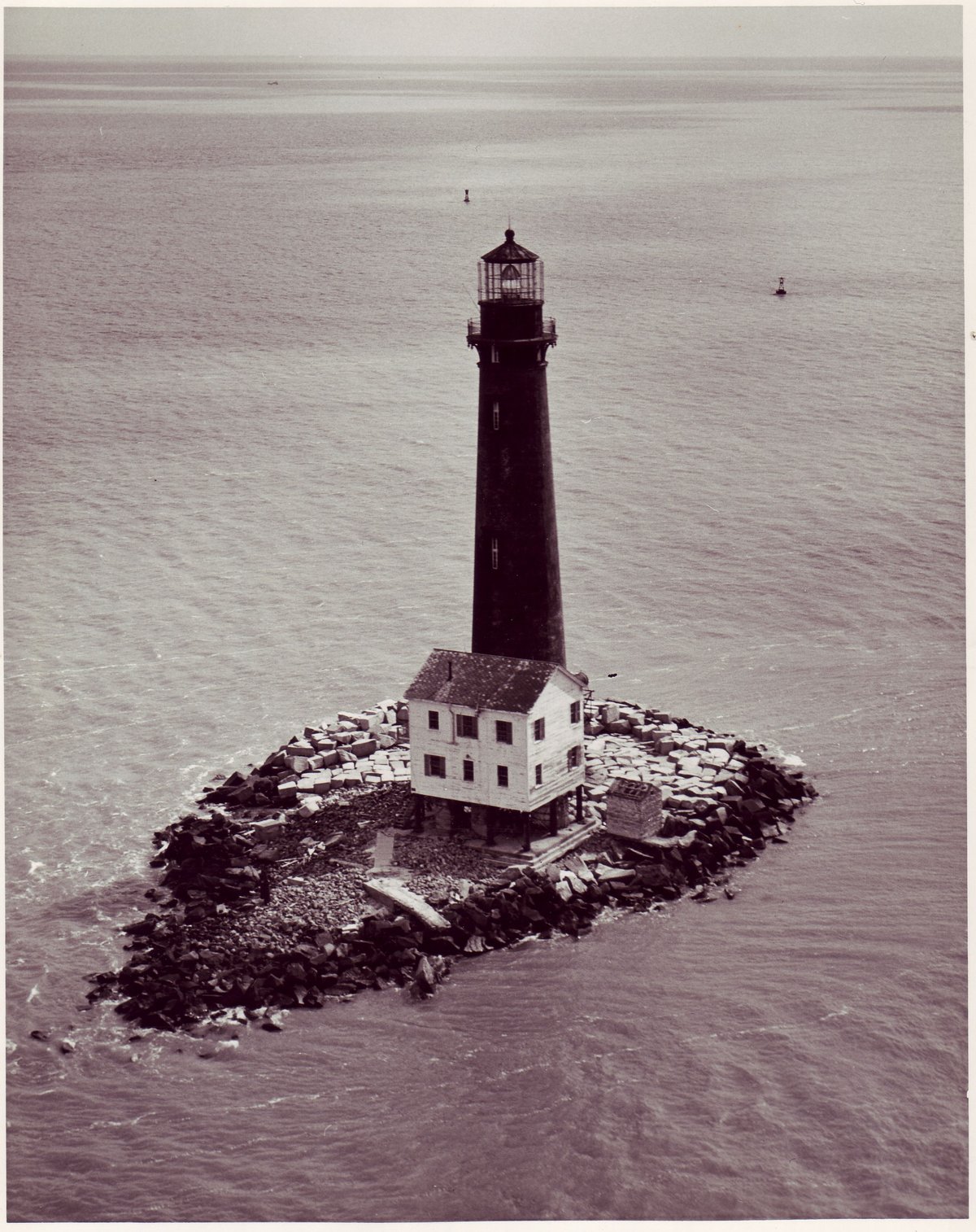
After the fighting stopped, the fort remained in use until 1903, when the Ship Island lighthouse keeper became the caretaker. Today, the National Park Service manages the fort within the Gulf Islands National Seashore. Visitors can still see the different brick shades on the walls, which serve as a physical record of the materials used during the fort's construction.
Sources: Wikipedia, OpenStreetMap, Wikidata, Wikimedia Commons


Written by Kyle McLonely
Discuss this with the author and others
No comments yet. Be the first to start the conversation.