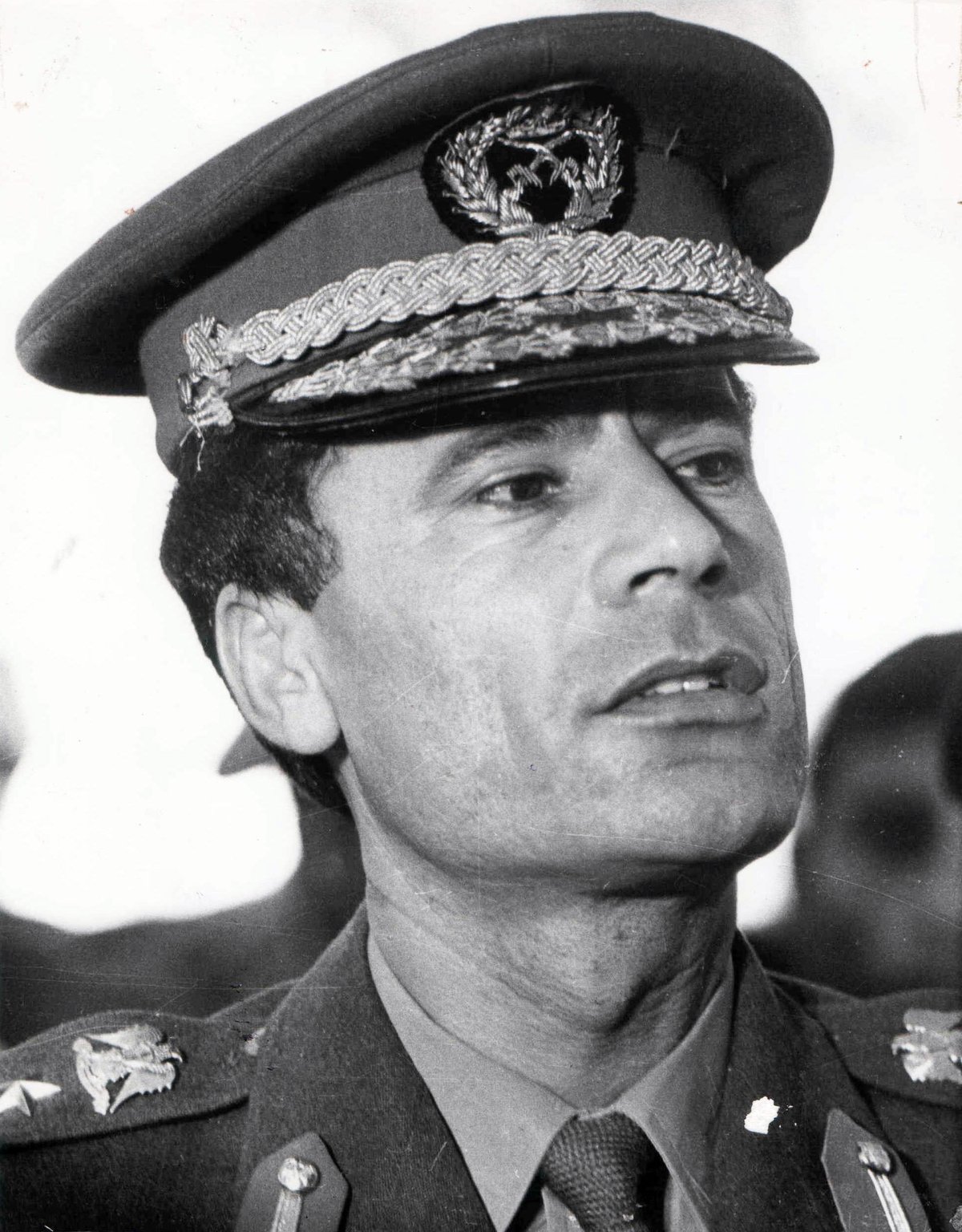

Muammar Gaddafi was born near the town of Sirte in the deserts of Tripolitania during the period of Italian colonial rule. Growing up, he witnessed major events that disturbed the Arab world, including the Egyptian Revolution of 1952 and the Suez Crisis of 1956. After graduating from the Benghazi Military College in 1965 and receiving training in the United Kingdom, he founded the Free Officers movement to challenge the Western-backed Senussi monarchy.
In 1969, Gaddafi led a bloodless military coup that deposed the monarchy and converted Libya into a republic. He ruled as Revolutionary Chairman, and later as the Brotherly Leader of the Great Socialist People's Libyan Arab Jamahiriya. He nationalized the oil industry and used the state revenues to bolster the military, fund foreign revolutionaries, and implement social programs including housebuilding, healthcare, and education projects. In 1977, he transformed Libya into a state of the masses, retaining personal control over major decisions while heading the Revolutionary Committees.
Gaddafi's rule was marked by both development and international isolation. He was a highly divisive figure, praised by some for his anti-imperialist stance and support for Arab and African unity, but condemned by many as a dictator who systematically violated human rights and financed terrorism. His relationship with the West became particularly hostile, resulting in a 1986 U.S. bombing of Libya and UN-imposed economic sanctions.
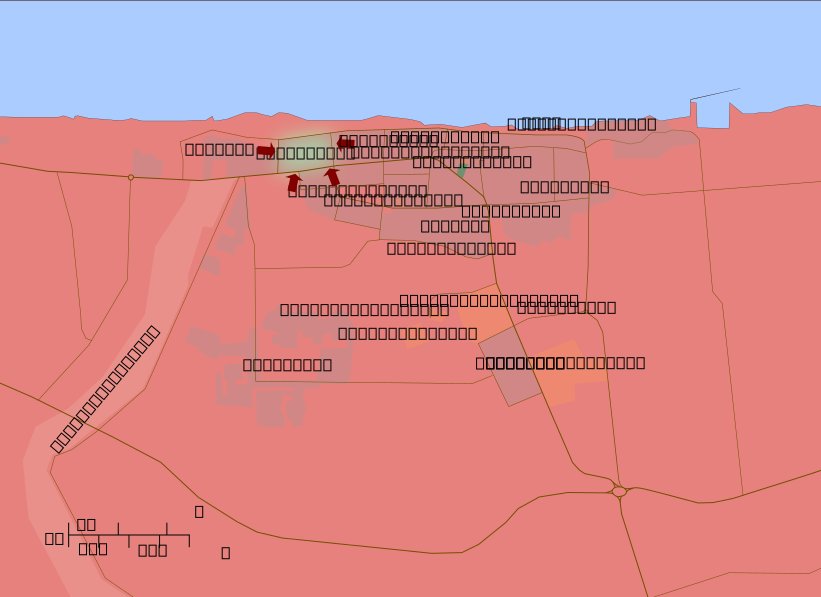
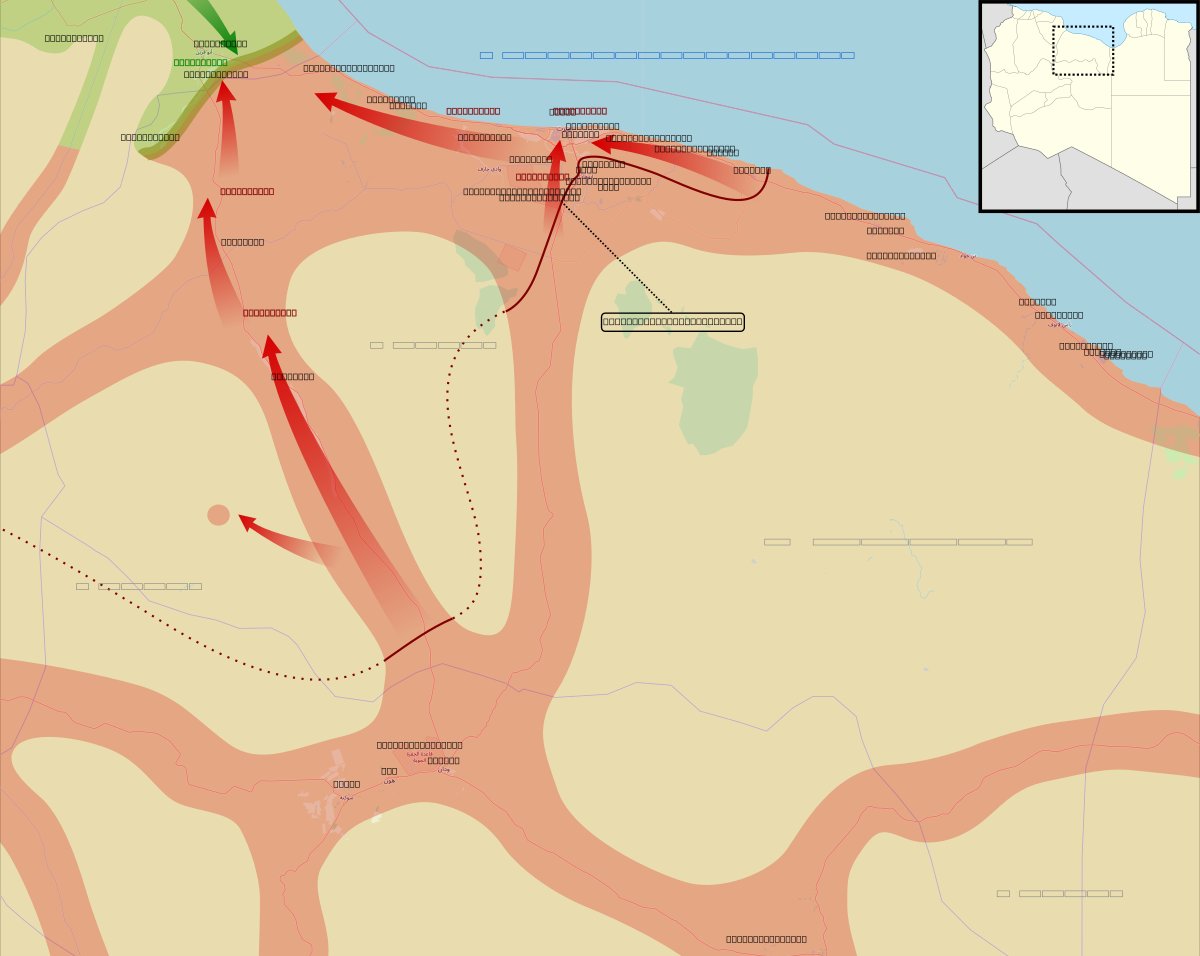
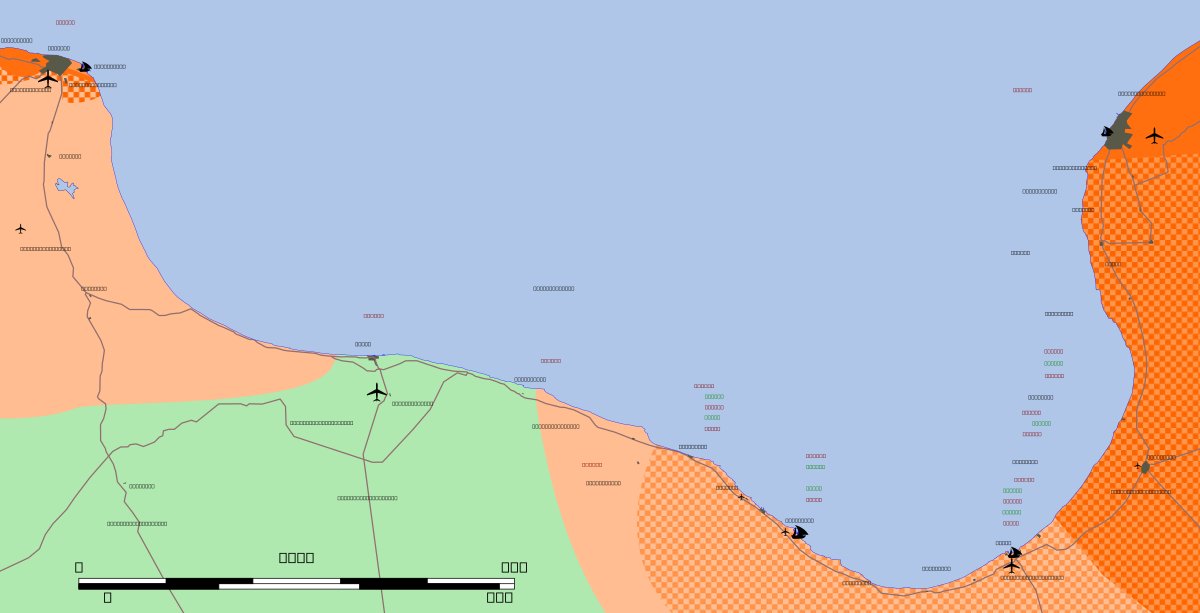
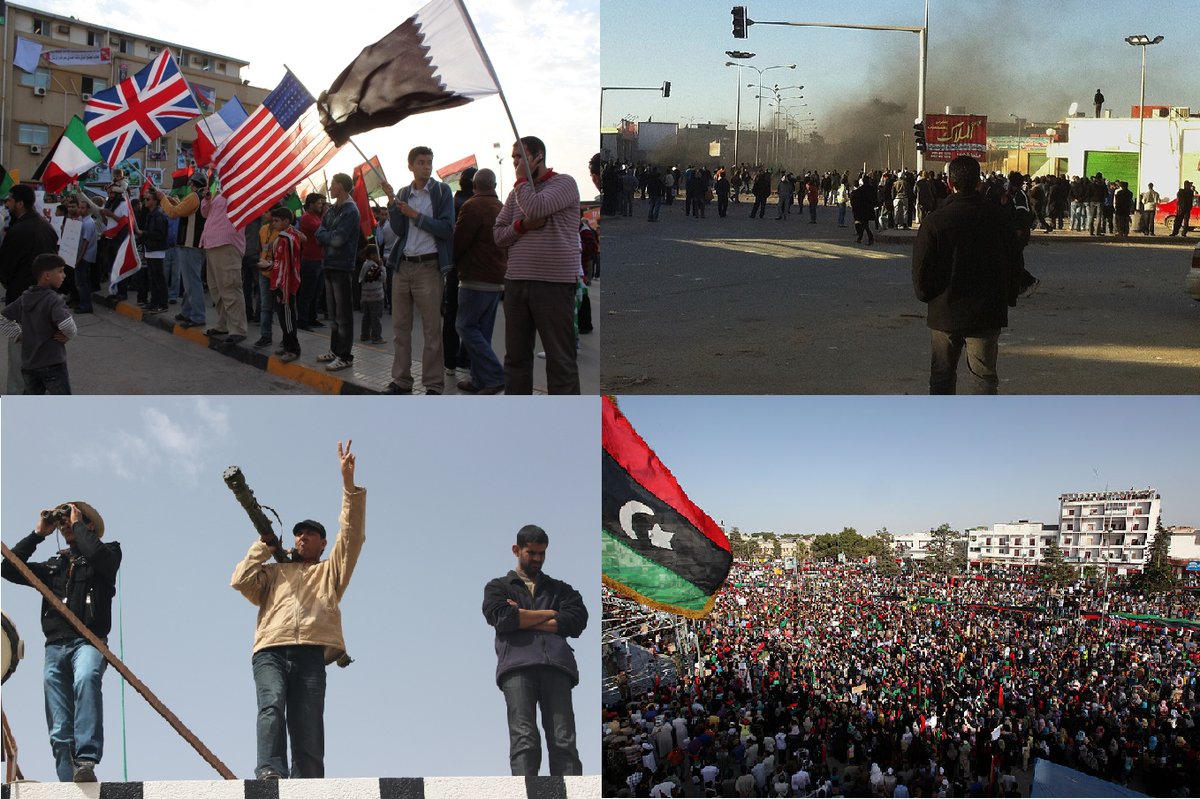
In 2011, protests against corruption and unemployment broke out in eastern Libya, descending into civil war. During the conflict, NATO intervened militarily on the side of the anti-Gaddafist National Transitional Council. Gaddafi's government was overthrown, and he was captured and killed by militants in the city of Sirte.
Sources: Wikipedia, OpenStreetMap, Wikidata, Wikimedia Commons
Written by Mutabor
Discuss this with the author and others
No comments yet. Be the first to start the conversation.