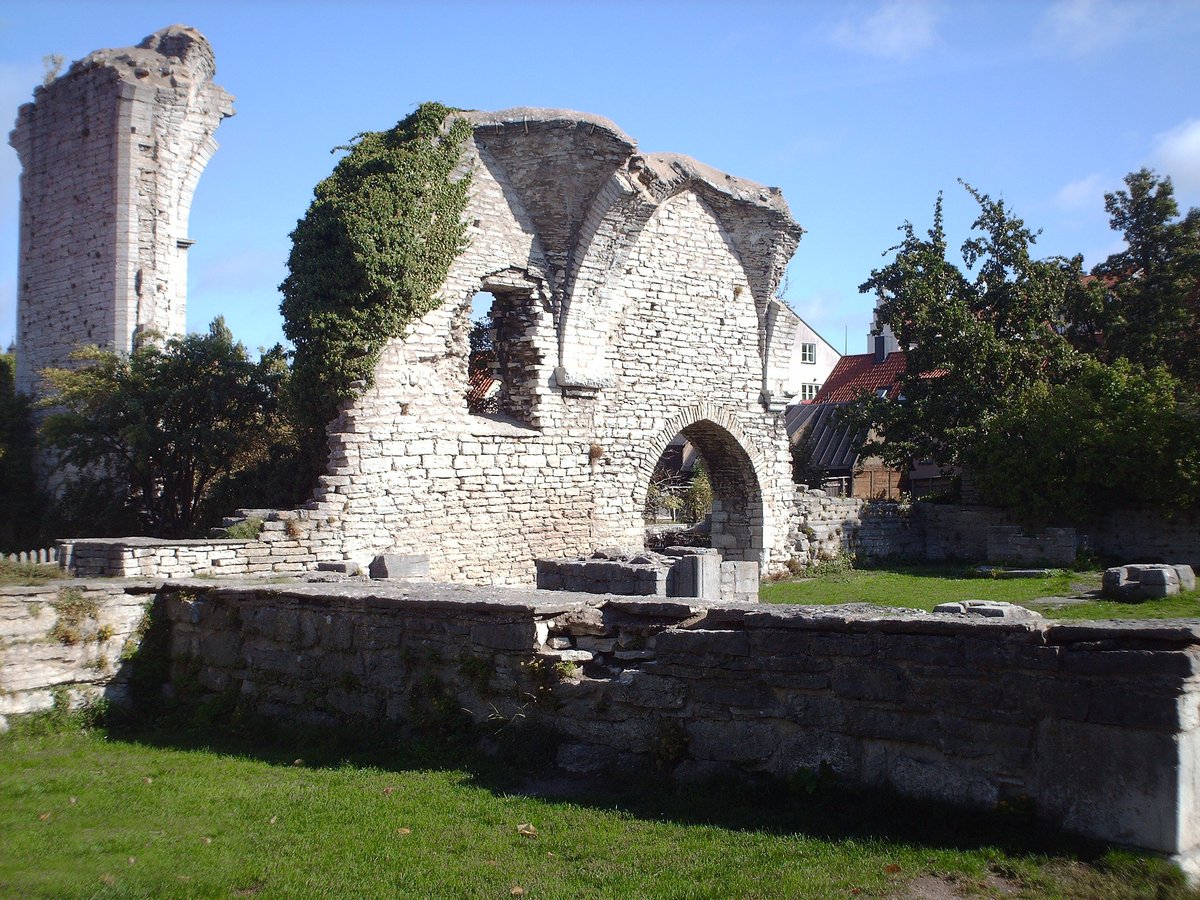

The ruins of Sankt Hans and Sankt Per stand together in Visby. These structures rose in the 1200s. They were erected on land that probably housed a pagan temple before the Christians arrived around 1060. For a long time, these spaces divided the community by social status. Sankt Hans belonged to the upper class while the common people used Sankt Per.
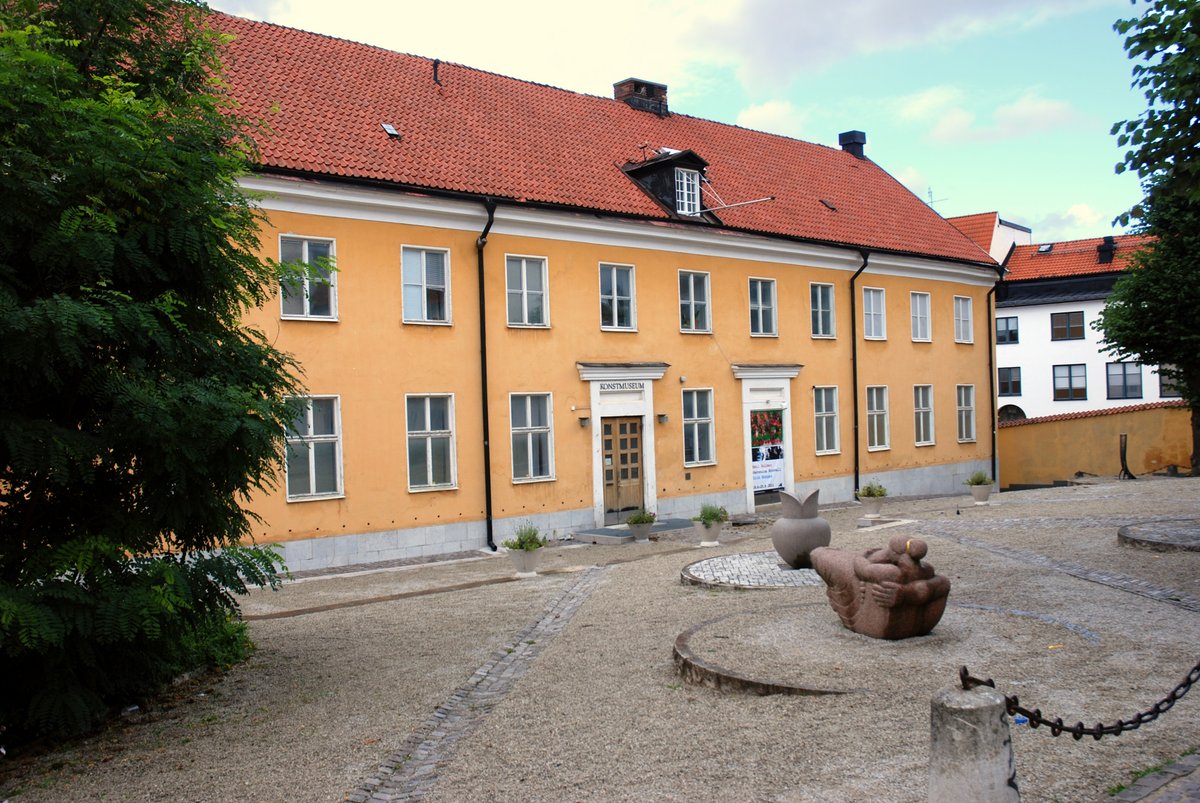
Change arrived during the Reformation when the local elite selected Sankt Hans as the city church. To stop enemies from using the towers as cannon vantage points, Henrik Rosencrantz ordered their destruction in 1533/1534. Throughout the 1600s and 1700s, much of the remaining structure was taken apart. Builders moved the materials to construct the nearby Lythbergska huset.
We find a compelling mystery in what was left behind. Because the demolition occurred so early, many medieval gravestones remained undisturbed in the debris. This preservation created the largest collection of such stones in Europe. Archaeologists even discovered a runestone from around 1070 at the site. This piece is roughly contemporary with or slightly later than the church itself.
Visit this quiet location to witness how the architecture of Visby was physically recycled. These piles of stone offer a steady invitation to explore what survived the hammers of the builders.
Sources: Wikipedia, OpenStreetMap, Wikidata, Wikimedia Commons




Written by Nik Frost
Discuss this with the author and others
No comments yet. Be the first to start the conversation.