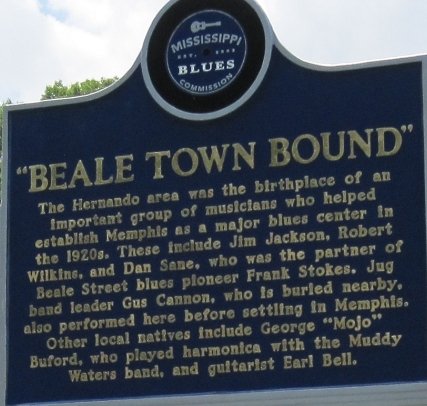
The Mississippi Blues Trail marks notable historical sites related to the birth, growth, and influence of the blues from the Mississippi Gulf Coast all the way to Chicago. The Mississippi Blues Commission started the project in 2006 to place interpretive markers at sites where the music was born, grew, and moved on.
Most markers are packed into the Delta. They point to old juke joints, record companies, and radio stations. One in Greenwood marks the spot of a station where B.B. King first broadcast as a gospel singer. Another sits on Nelson Street in Greenville. That street was once the primary center of African-American business and nightlife for decades, drawing crowds to hear Delta blues, big band, jump blues, rhythm & blues, and jazz.
The trail even marks the Mississippi State Penitentiary at Parchman. In the 1930s, folklorists such as Alan Lomax recorded blues there by inmates, most notably Bukka White.
By the end of 2016, the trail had placed nearly 200 markers. They honor the artists and the streets they walked, as well as the plantations, cities, and counties that developed as centers of blues activity.
Sources: Wikipedia, OpenStreetMap, Wikidata, Wikimedia Commons






Written by Leroy
Discuss this with the author and others
No comments yet. Be the first to start the conversation.