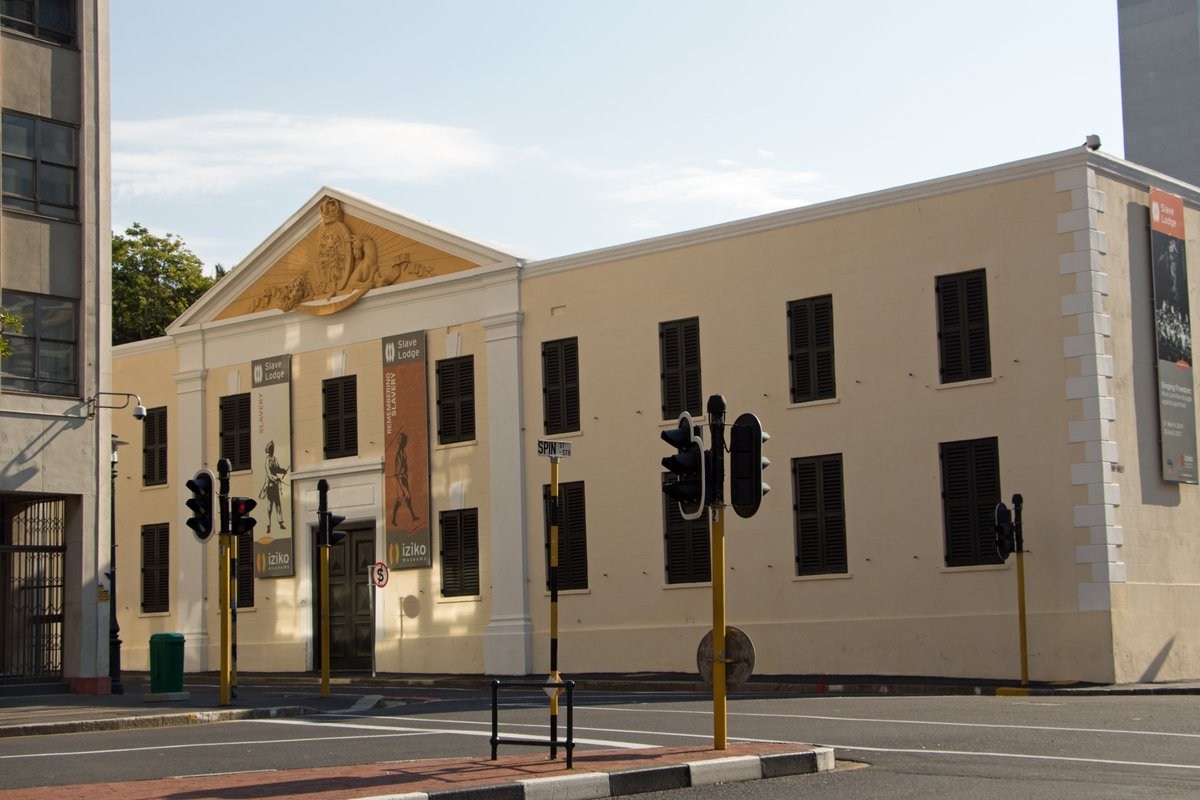

Nestled in the heart of Cape Town, South Africa, the Slave Lodge was established in 1679 by the Dutch East India Company (VOC) to house enslaved people. The structure initially accommodated up to 500 enslaved individuals brought from regions including East Africa, Madagascar, India, and Southeast Asia. These individuals worked in agriculture, construction, and domestic service for the company.
In 1795, the British captured the Cape Colony, and the building returned briefly to the Dutch in 1803 under the Batavian Republic. British control resumed in 1806, and in 1811, the building ceased to function as a slave lodge. After this period, the building was repurposed to house various government offices. In 1854, the first Cape Parliament was established there, marking a significant milestone in the colony's governance.
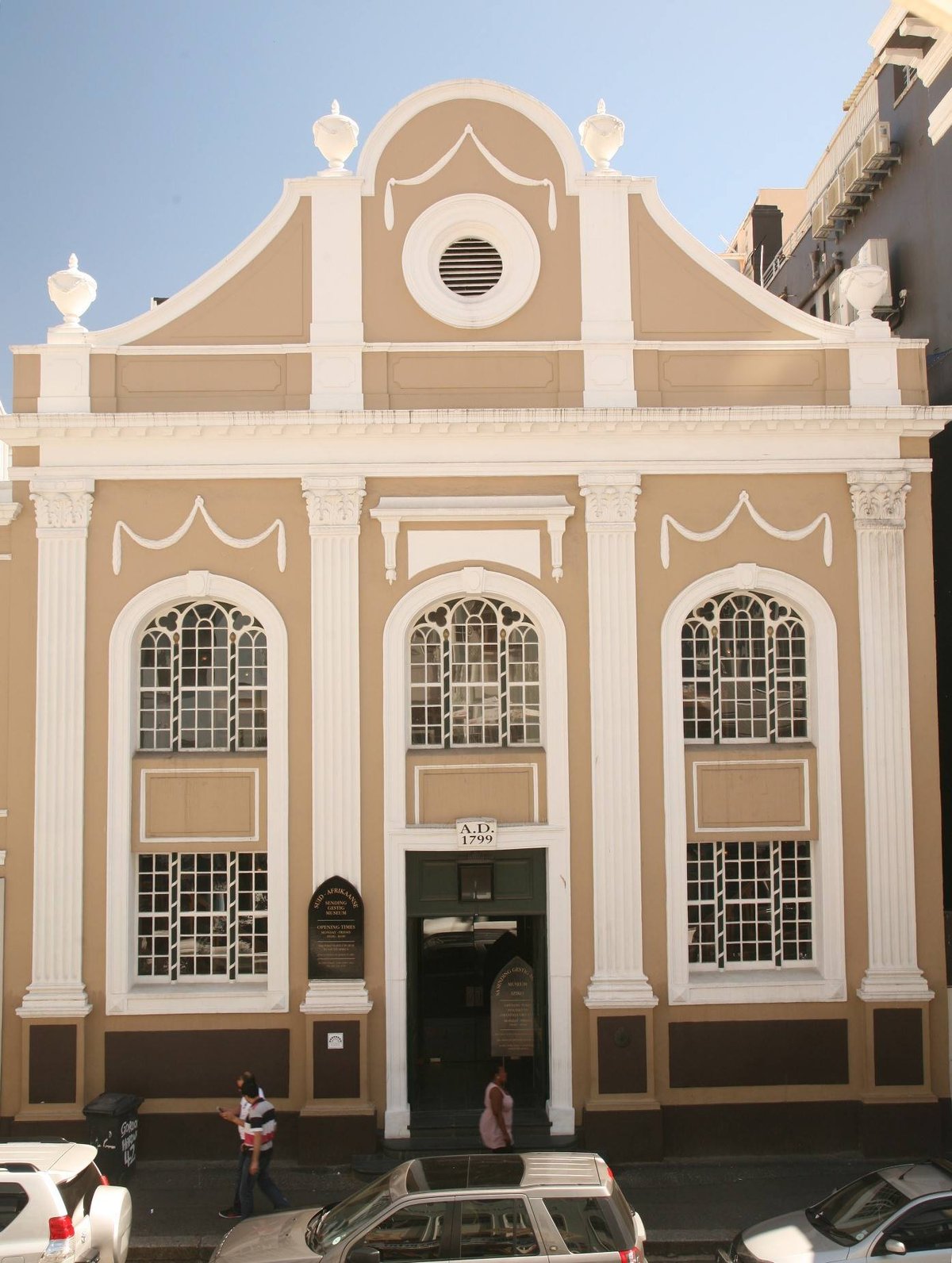
The building then served as the Old Supreme Court from 1911 until the 1960s. In 1966, the structure underwent restoration and was designated as the South African Cultural History Museum, opening to the public in 1967. Since 1998, it has been known as the Slave Lodge Museum and is part of the Iziko Museums of South Africa.
Sources: Wikipedia, OpenStreetMap, Wikidata, Wikimedia Commons

Written by Mutabor
Discuss this with the author and others
No comments yet. Be the first to start the conversation.