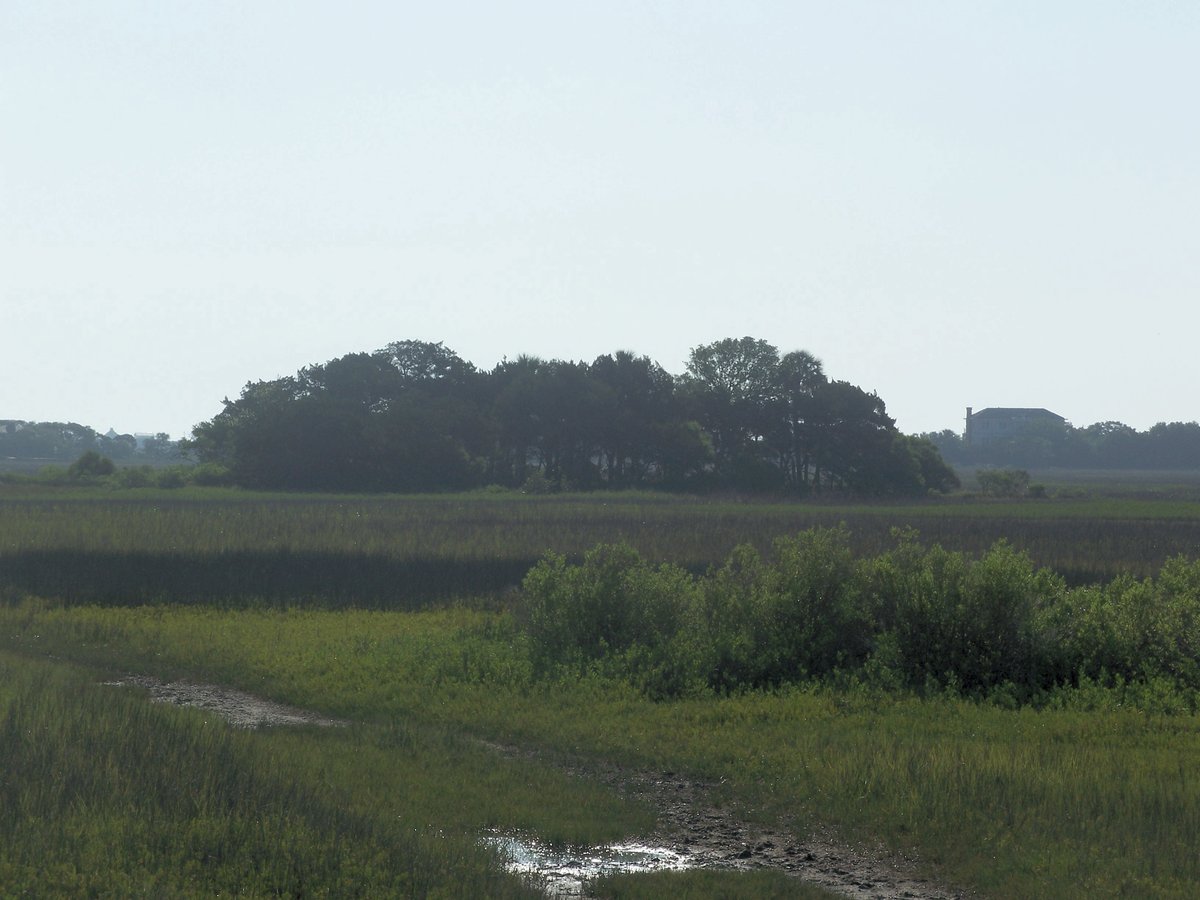

Established in 1738 under the guidance of Spanish Florida's governor, Manuel de Montiano, Fort Mose served as the first legally sanctioned free black settlement in what would become the territory of the United States. Today, this site is known as the premier site on the Florida Black Heritage Trail. The original fort was briefly abandoned after the Battle of Bloody Mose in 1740, but was rebuilt at a nearby location and again occupied by free Africans from 1752 to 1763.
Located on the edge of a salt marsh on the western side of the waterway separating the mainland from the coastal barrier islands, the site of the second fort was discovered in a 1986 archaeological dig. The 24-acre area around and including this archaeological site is now protected as a Florida state park, administered through the Anastasia State Recreation Area.
Fast-forward to 1994, and Fort Mose was designated a US National Historic Landmark. By May 2025, a reconstruction of the fort was completed and opened to the public, serving as a captivating reminder of history and a venue for outdoor concerts. The fort's history dates back as far as 1689, when colonial authorities of Spanish Florida began offering asylum to escaped slaves fleeing from the Virginia Colony.
Sources: Wikipedia, OpenStreetMap, Wikidata, Wikimedia Commons

Written by Friendly Jane
Discuss this with the author and others
No comments yet. Be the first to start the conversation.