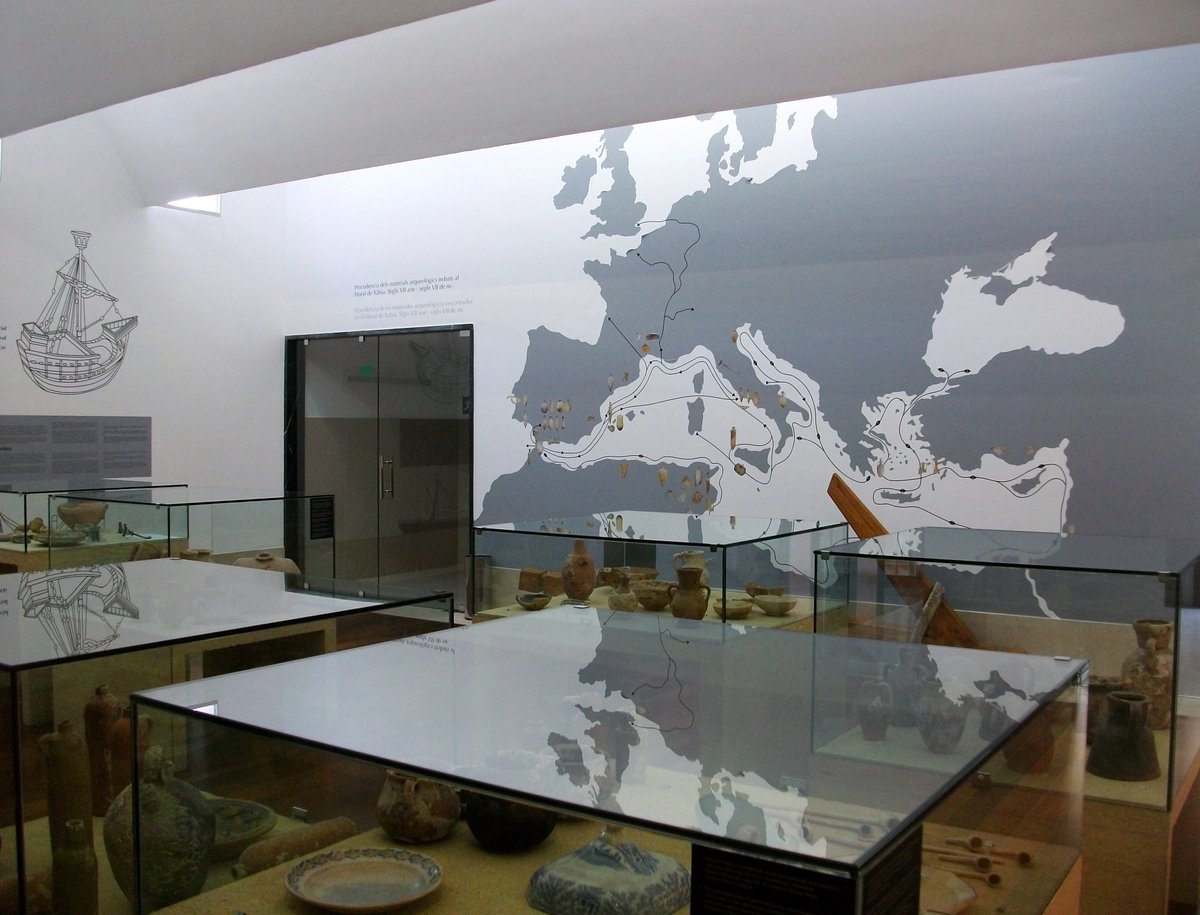

In the center of Xàbia, the Museo Arqueológico y Etnográfico Soler Blasco is located in a relevant building of the historic center known as the house-palace of Antoni Banyuls. Originally home to 17th-century resident Antoni Banyuls, the building was acquired by the town hall in 1975 and became the home of the permanent exhibition in 1977. The museum's origins date back to 1969 with the creation of a small collection of ethnographic and historical materials gathered by a group of young people led by J. B. Soler and J. Celda. The museum was named in recognition of its first director and main promoter, Joan Baptista Soler Blasco.
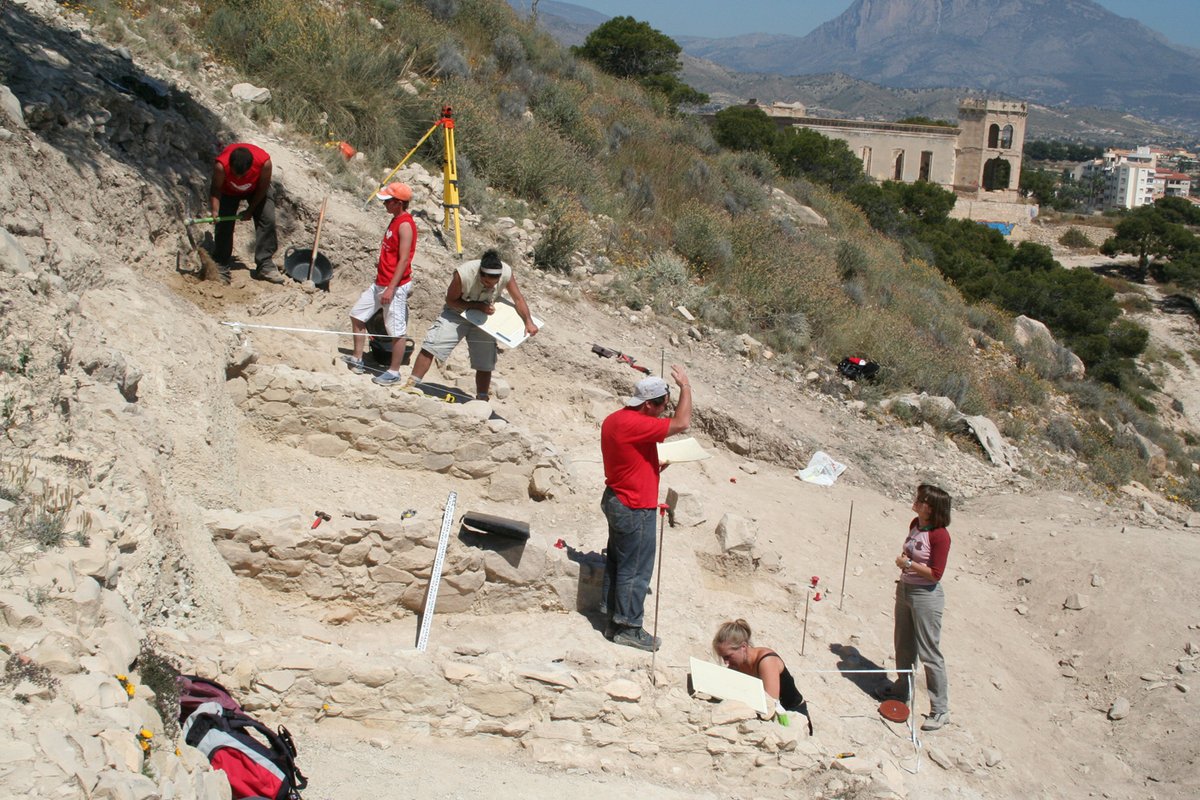
Since 1985, a municipal archaeologist has managed and provided technical advice for the institution. The museum includes a library with nearly four thousand volumes, storage rooms for archaeology and ethnography, and a small restoration laboratory. It also serves as a base for archaeological excavations within the municipal term, as well as for tasks of prospecting, cataloguing, and protecting the historical and ethnographic heritage of Xàbia. These activities are shared through temporary exhibitions and the magazine Xàbiga.
An additional building was added in 2008, improving the facilities and adding two new exhibition halls and a conference room. The ground floor displays a selection of works by the painter J. B. Segarra Llamas (Xàbia, 1916 - 1994), featuring 32 works in various techniques. The upper floor is dedicated to underwater archaeology, featuring a collection of pieces from the Xàbia coast. Notable items include twenty-four amphorae dating from the 7th century BC to the 7th century AD, as well as a large lead anchor from the Roman era - now restored - recovered from the waters of Cap de Martí and the cove Sardinera.
Sources: Wikipedia, OpenStreetMap, Wikidata, Wikimedia Commons
Written by Nik Frost
Discuss this with the author and others
No comments yet. Be the first to start the conversation.