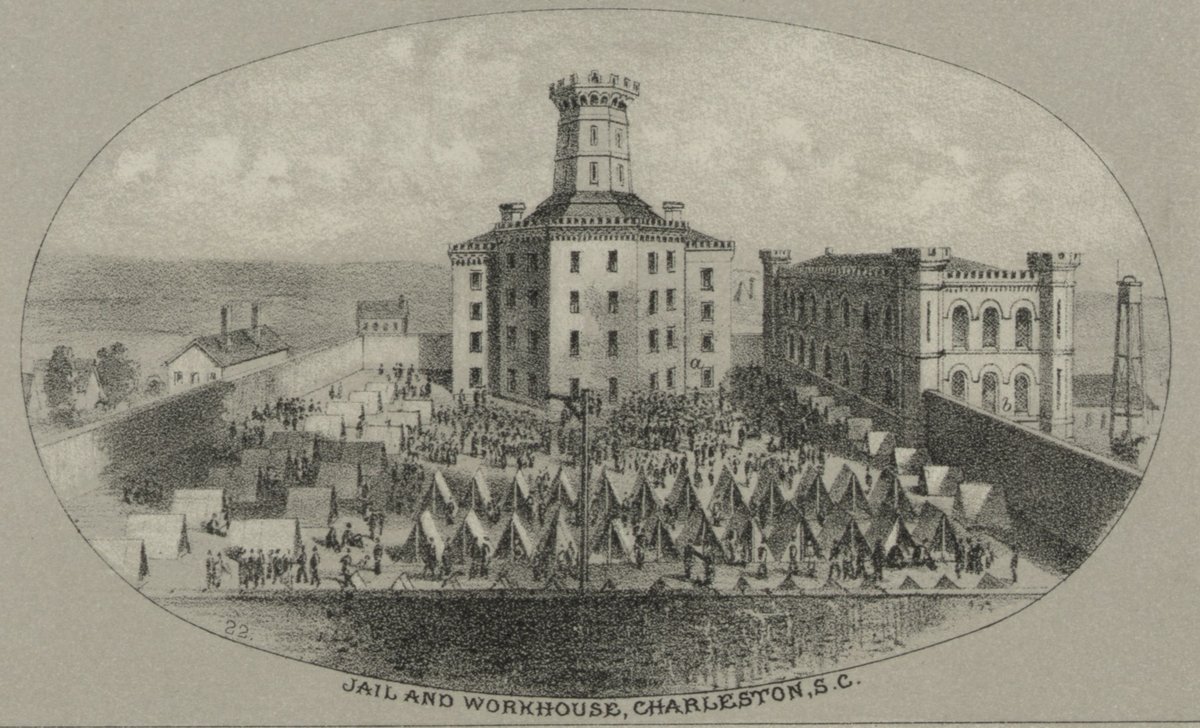
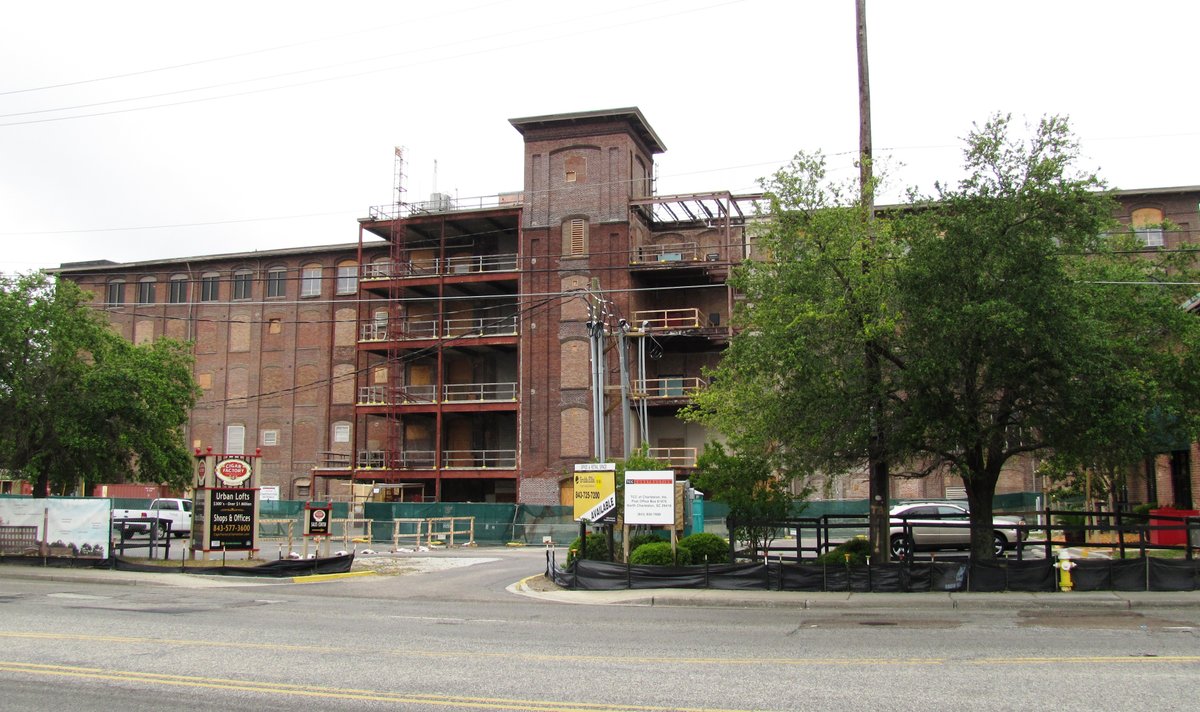
The Charleston Workhouse served a grim purpose. Enslaved people were imprisoned there to be sold or punished, and enslavers paid the city a fee to torture them. Victims were often stripped naked and forced to walk a treadmill - a huge corn-grinding device - until they collapsed from exhaustion or suffered injuries. The Workhouse functioned as a prison and a slave market.
Nicholas Kelly sat inside in July 1849. He was a skilled artisan who claimed to have paid at least $200 or $300 toward his freedom, but his enslaver, William Kelly, forcibly returned him to Charleston in 1847 while repudiating the contract. Known as ungovernable, Nicholas spent 16 months in the Workhouse as a cook and overseer. He intimidated his captors, who permitted him to walk the grounds freely and arm himself with a cudgel.
A trader tried to take Nicholas's sister. Nicholas did not just protest. He rallied the others for war, telling them there would be war today and calling on every man to be a man. They seized sledgehammer handles, pickaxes, and axes. They fought the guards and the mayor, then burst into the streets. Thirty-seven people fled toward freedom.
Nicholas made it only one mile before rifle-toting militiamen forced him to surrender on Cannon's Bridge. On July 14, 1849, he stood in the dock before the Charleston Court of Magistrates and Freeholders, where he was convicted and sentenced to death. A plaque on Magazine Street marks the site today to remember the rebellion.
Sources: Wikipedia, OpenStreetMap, Wikidata, Wikimedia Commons
Written by Leroy
Discuss this with the author and others
No comments yet. Be the first to start the conversation.