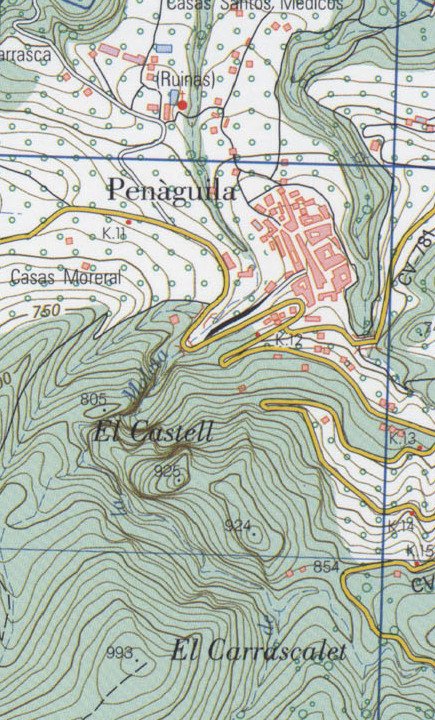

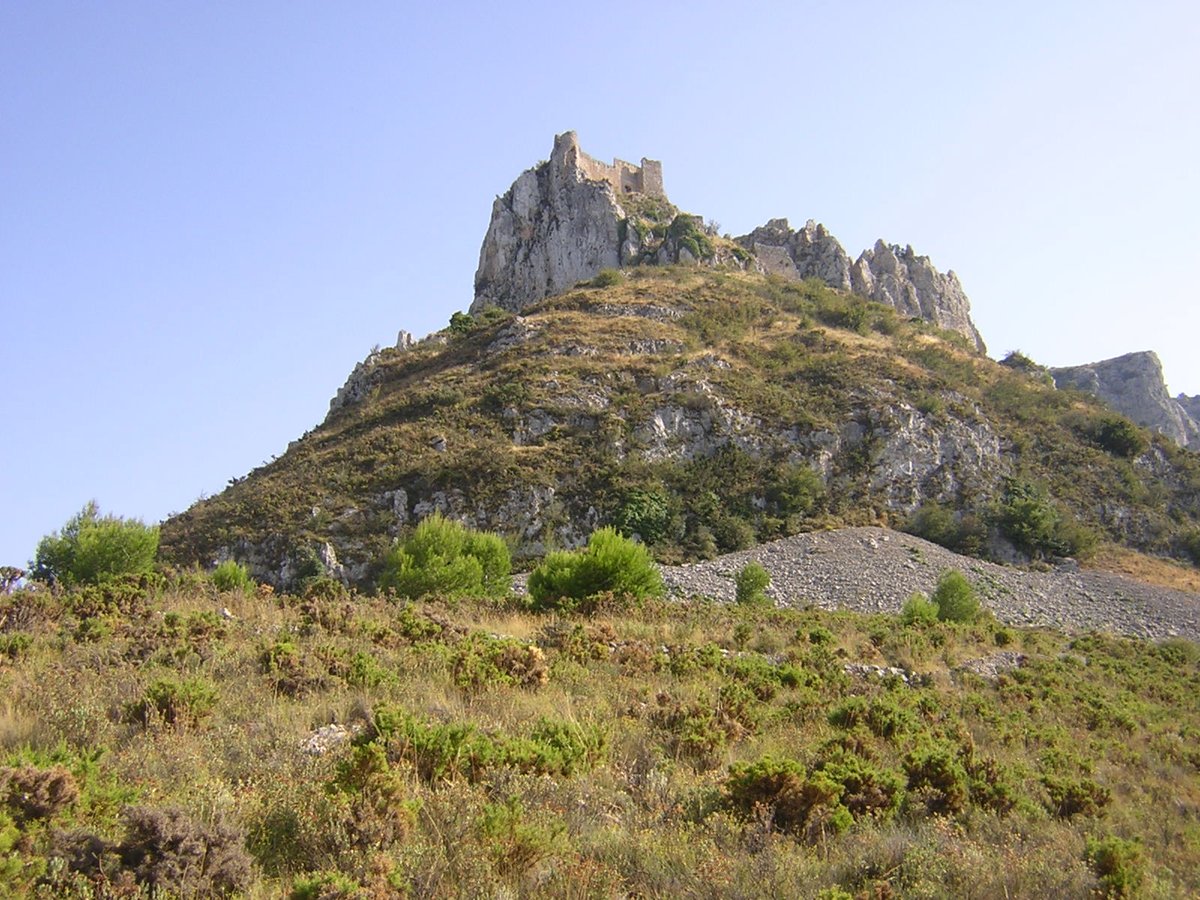
The Castillo de Penáguila is situated on the steepest side of a hill called del Castell, along the road connecting Alcoià with Sella. Nearby stands a wooden cross known as the Creu del Castell. The site has a complex history, with some suggesting a substrate prior to the 11th century, though the fortification dates to the Almohad era in the 12th century when it served as a Muslim aljama center.
The fortress was captured by Christians in 1245, but it was lost two years later during the revolt of Al-Azraq. Christian forces recovered it in 1258, and it returned to Muslim control around 1276, the same year Al-Azraq died. It returned to the front lines in 1356 during the wars between the Crown of Aragon and the Kingdom of Castile, eventually losing its military function starting in the 16th century.
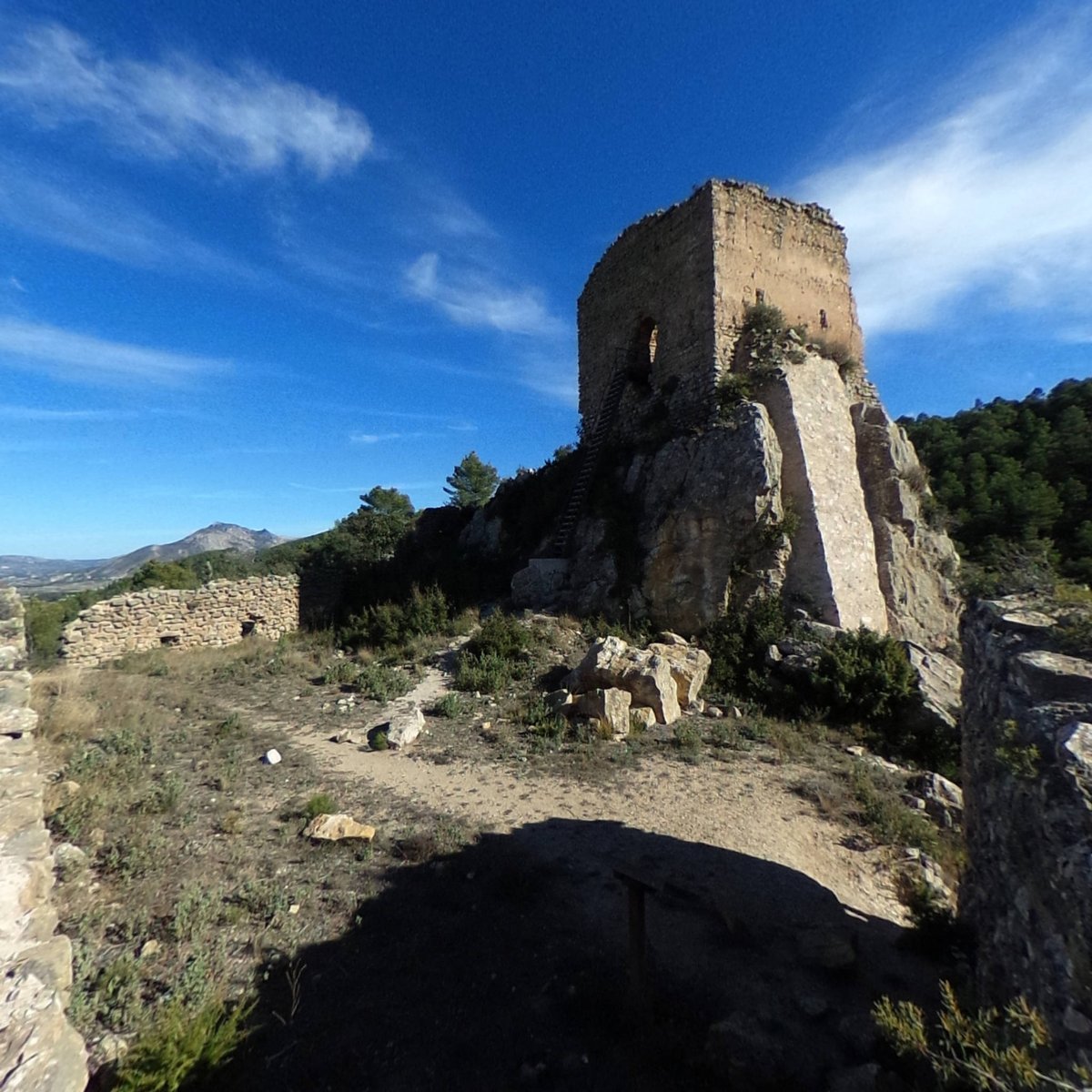
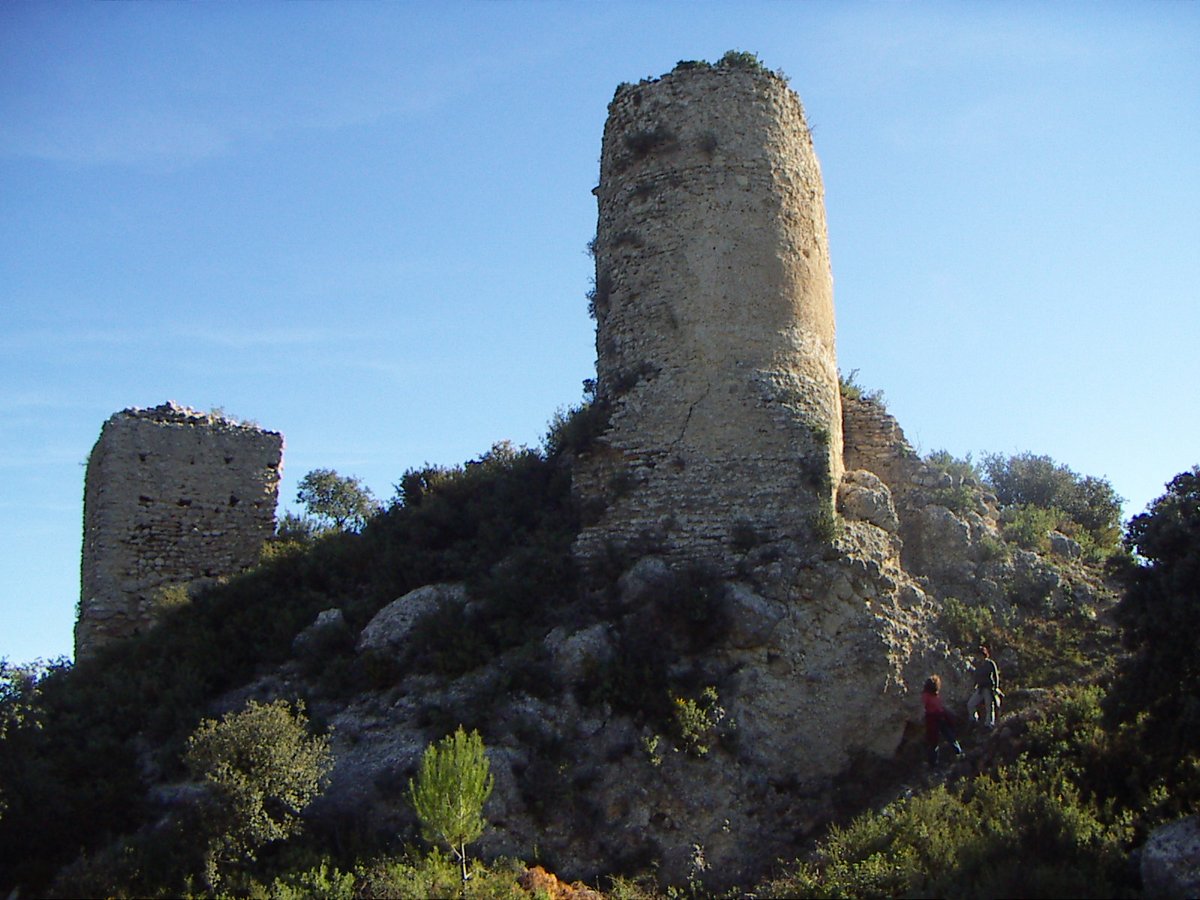
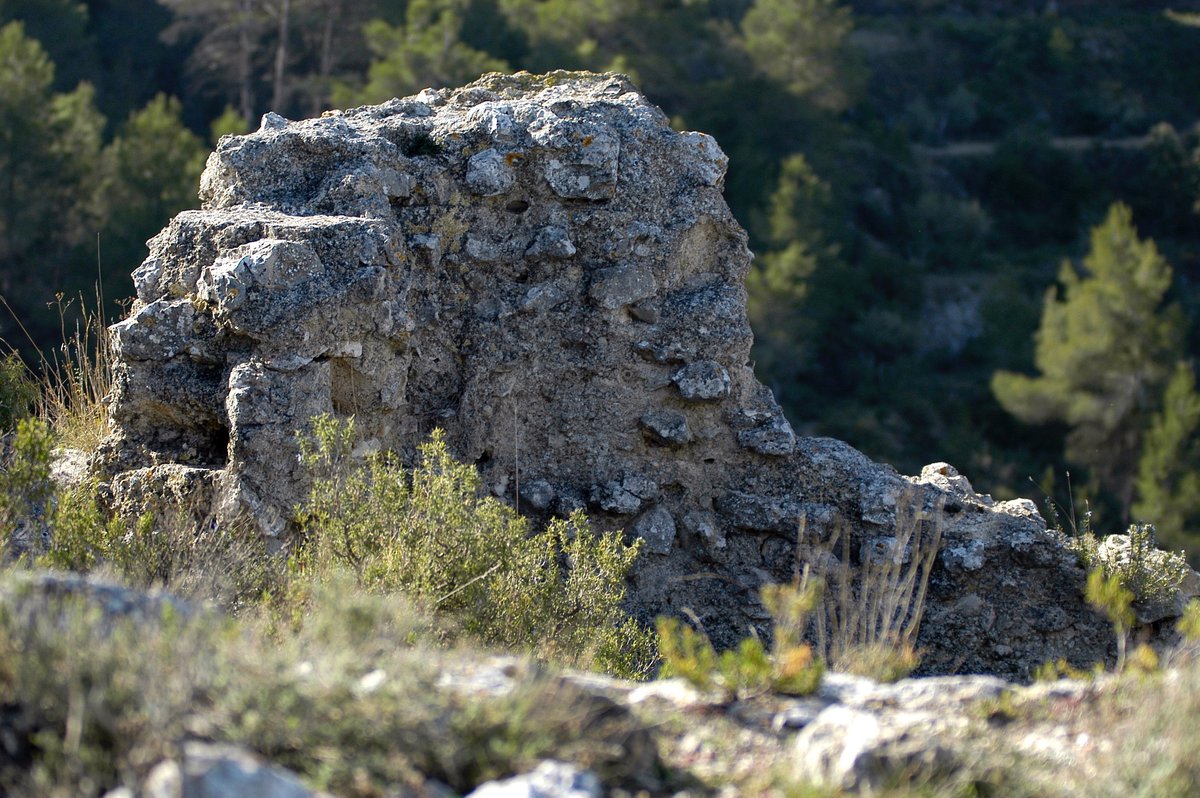
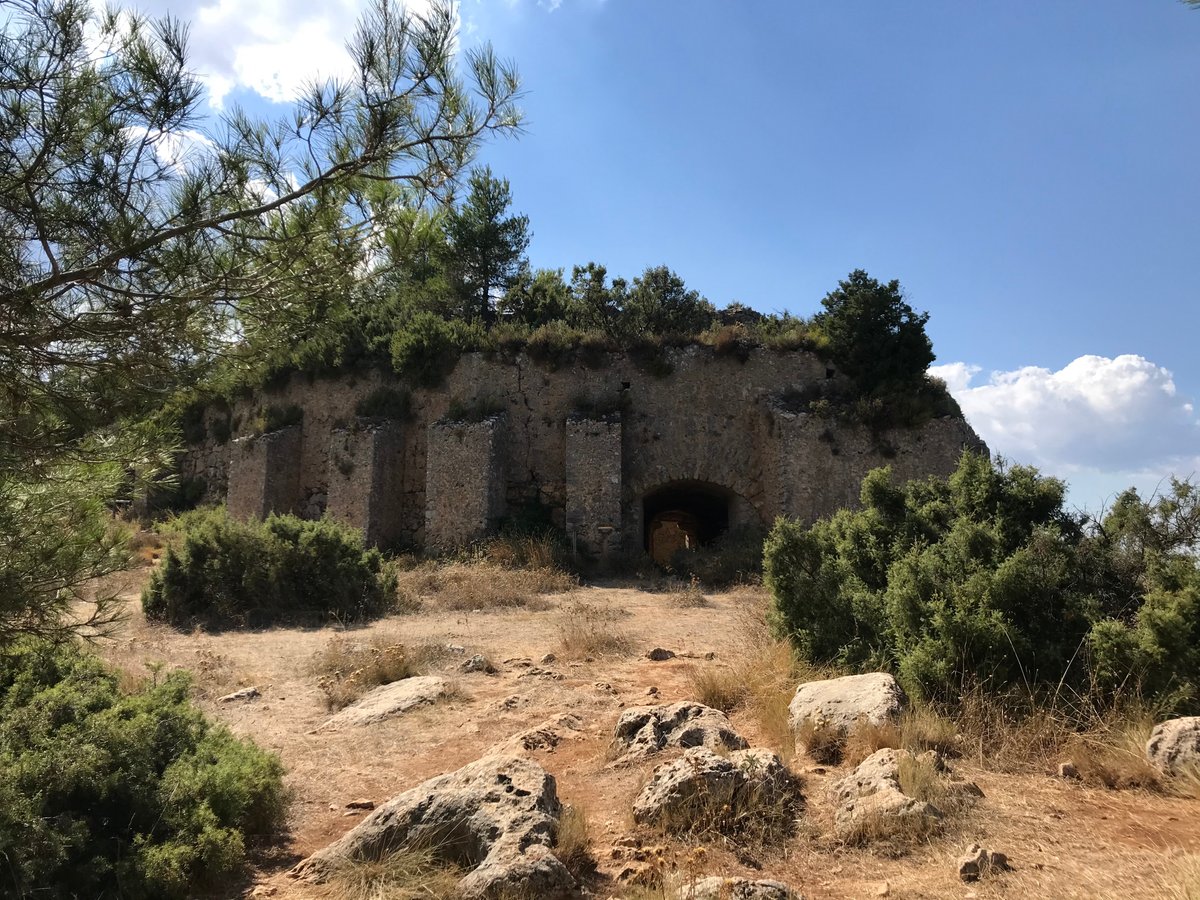
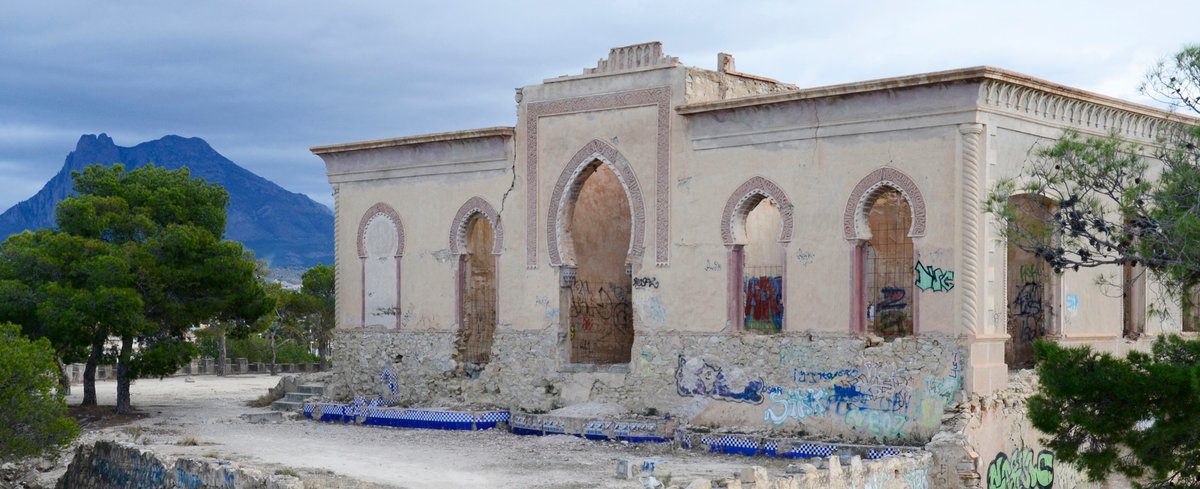
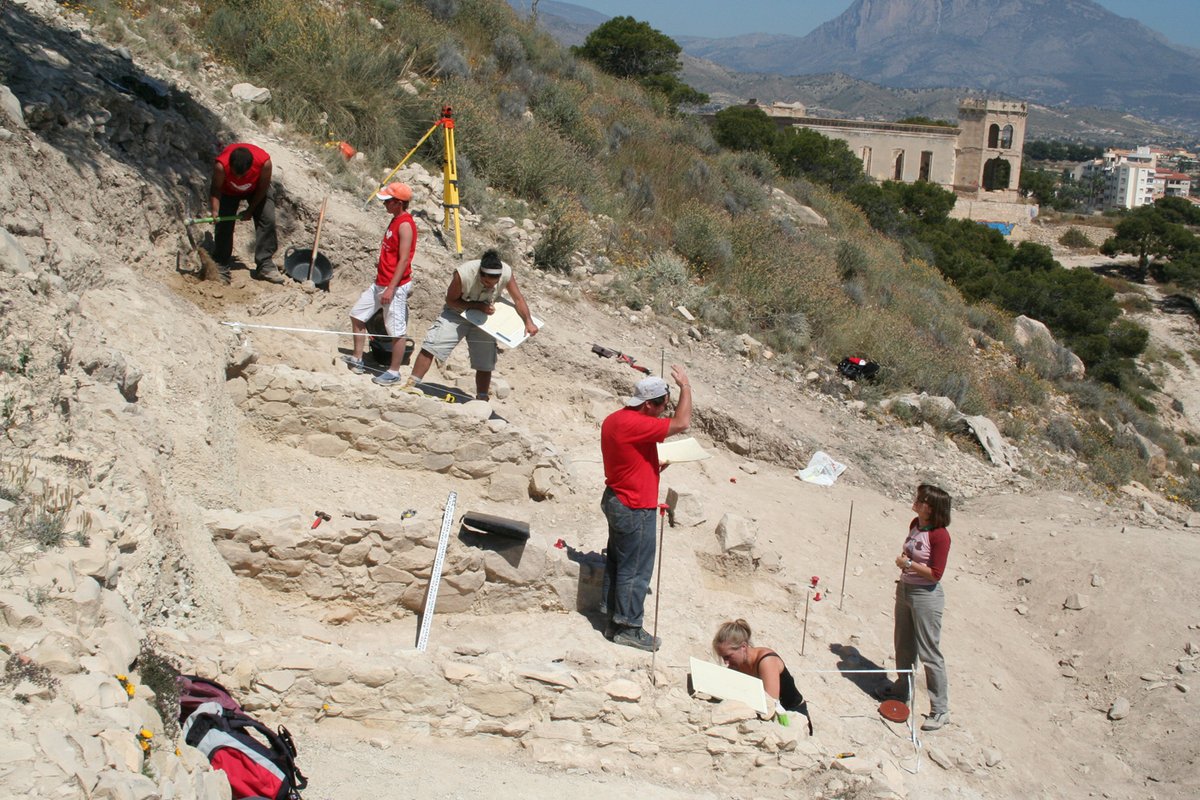
Architecturally, the castle features an irregular plan with walls adapted to the difficulties of the terrain. The complex includes a square tower with an aljub and a room with a partially sunken vault. At a lower level, remains of walls and square turret bases persist. To the east, parts of a square possibly protecting the gate and a dry moat - now a flattened surface - are visible, designed to separate the summit from the side to enhance defensive capacity.
The site is currently recognized as a Bien de Interés Cultural, a status managed by the Generalitat Valenciana. This designation covers the irregular walls and historical structures that occupy a significant area of the rocky landscape.
Sources: Wikipedia, OpenStreetMap, Wikidata, Wikimedia Commons
Written by Nicolo Ciampini
Discuss this with the author and others
No comments yet. Be the first to start the conversation.