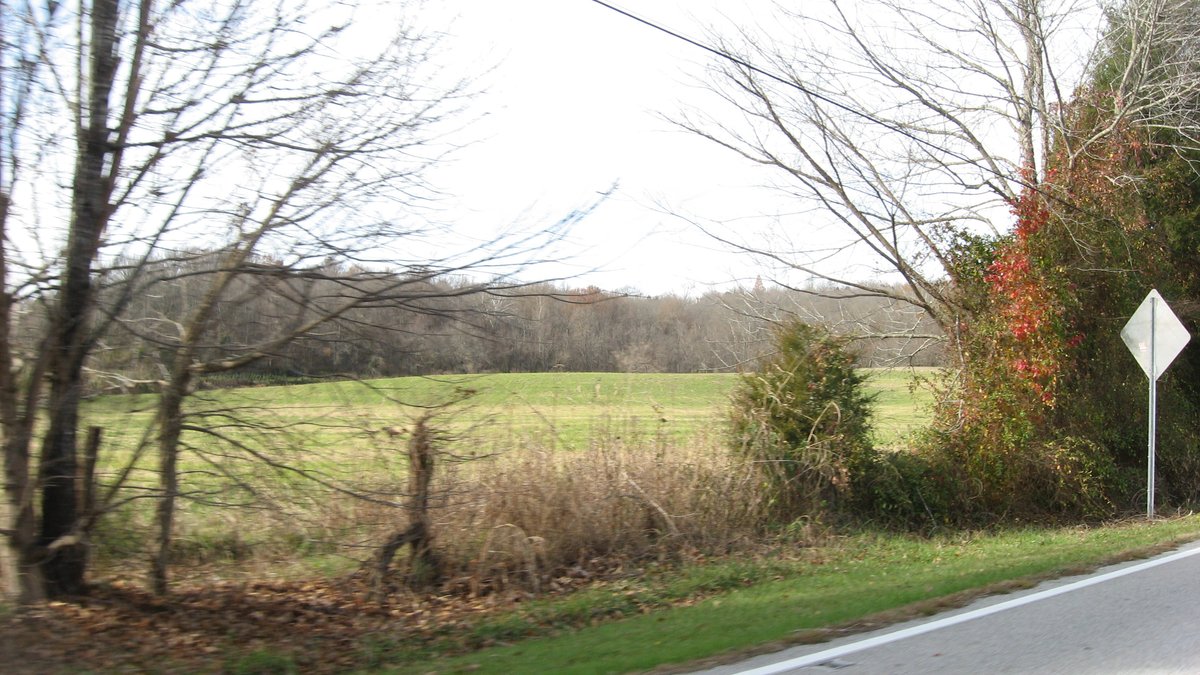
Beneath Ohio's current landscape lies a settlement that dates back to the Late Archaic period. During this era, nomads roamed the land. A massive 400 by 600 feet area, known as the Bullskin Creek Site or 33CT29, contains an eclectic mix of artifacts. Stone tools, weapons, and bone tools were recovered from the area, which includes two significant loci of debris and a large midden.
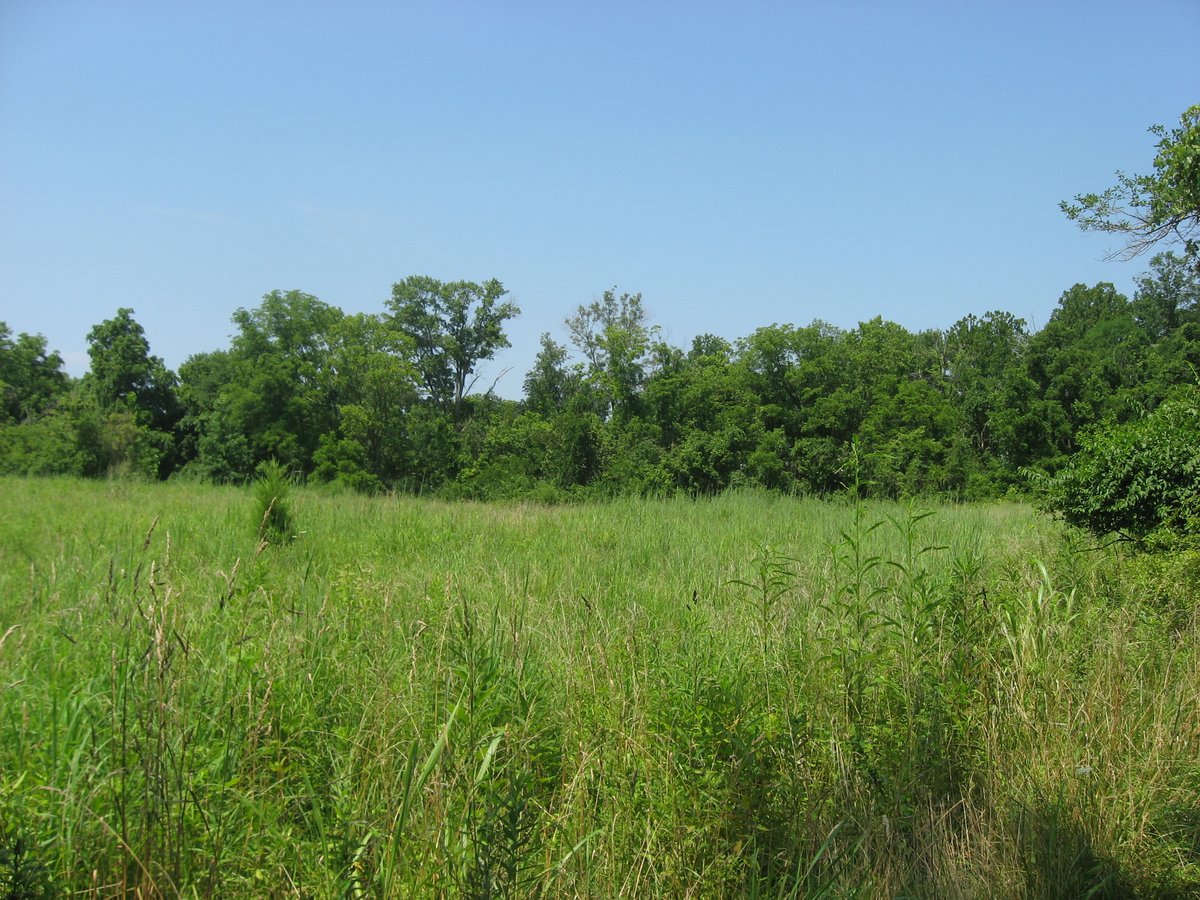
Because the site is located in a farm field, it has been frequently cultivated, and the plow has brought at least five burials to the surface from a cemetery on the edge of the site. The bodies at the site were generally adorned with red ochre and buried in a flexed position. The site is named Bullskin Creek because it sits atop a terrace above the creek near its mouth at the Ohio River.
It is believed that the site was inhabited between 2750 BC and 1750 BC. Distinctive flint knives were found here, a type only found in the region surrounding the Great Miami River. When the University of Cincinnati excavated the site in the 1970s, they discovered it was richer than any other site they had investigated in the previous few years. In 1978, it was listed on the National Register of Historic Places.
Sources: Wikipedia, OpenStreetMap, Wikidata, Wikimedia Commons
Written by Leroy
Discuss this with the author and others
No comments yet. Be the first to start the conversation.